Master Your Air Fryer: Essential Tips and Tricks for Crispy Results
Unlock perfect meals with these air fryer tips and tricks, covering everything from preheating to cleaning and achieving crispy food.
What Is Air Fryer Tips And Tricks?
Air fryer tips and tricks are practical techniques and advice designed to optimize cooking performance, prevent common issues like smoke or uneven results, and simplify the cleaning process for air fryer users. These methods help users achieve consistently crispy food and extend the appliance’s lifespan.
How Does It Work?
An air fryer operates as a compact convection oven, circulating hot air at high speeds, typically up to 204°C (400°F). This rapid air movement creates a “frying” effect, producing a crispy exterior on foods with minimal oil. For optimal airflow, maintain at least 5 inches of clear space around the appliance. Preheating for 3-5 minutes can improve cooking consistency, though it is not always necessary for all recipes.
Key Benefits
- Faster Cooking: Air fryers cook food quickly due to concentrated heat, often reducing cooking times by 10 minutes compared to traditional ovens.
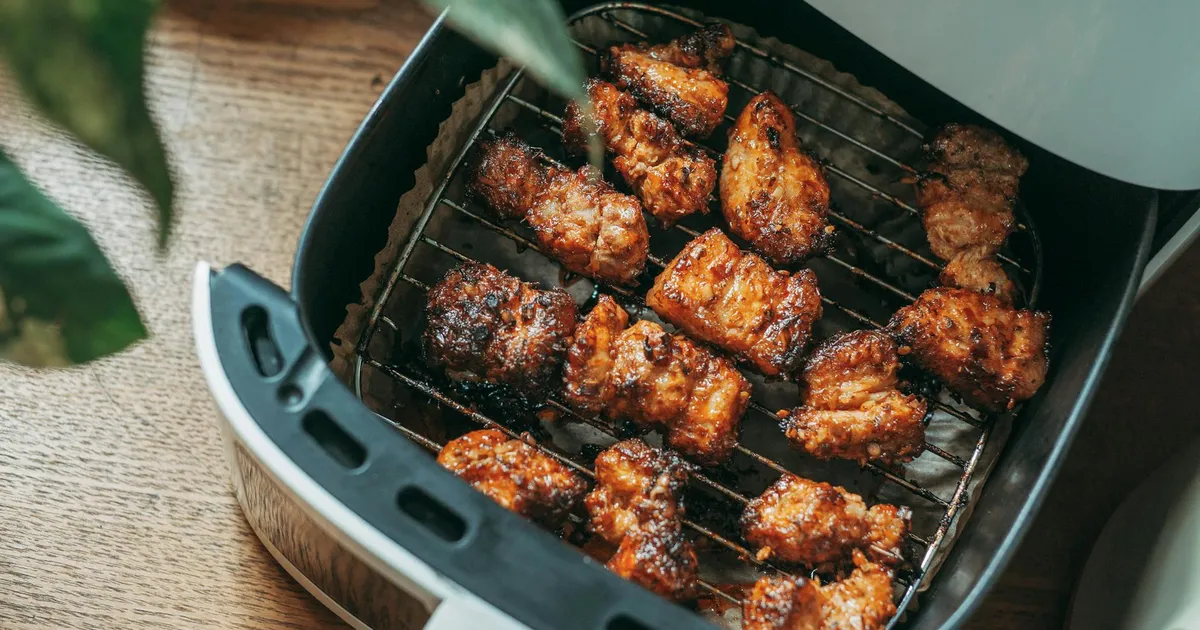
- Crispier Results: The powerful convection fan creates a crunchy texture similar to deep-frying, using significantly less oil.
- Reduced Oil Usage: Many recipes require only a tablespoon or two of oil, promoting healthier meal preparation.
- Easier Cleanup: Using parchment paper or foil slings can prevent food from sticking, simplifying the cleaning process.
- Kitchen Comfort: Air fryers generate less heat than full-sized ovens, keeping your kitchen cooler during use.
Limitations
- Batch Size: Most basket-style air fryers have limited capacity, making them less suitable for cooking large meals for multiple people.
- Requires Space: Manufacturers recommend leaving at least 5 inches of clearance on all sides for proper ventilation.
- Potential for Smoke: Overfilling the basket or cooking very fatty foods can lead to smoke production.
Types and Variations
Air fryers come in various forms, including basket-style models, toaster oven air fryers, and larger oven-style units. Basket models are compact and ideal for single servings or small batches, while toaster oven models offer more versatility, combining air frying with toasting and baking functions. For detailed guidance on selecting the right model, refer to our how-to choose air fryer guide.
Who Is It For?
- Busy individuals: Those seeking quick and convenient meal preparation benefit from the air fryer’s speed.
- Health-conscious cooks: People aiming to reduce oil intake while still enjoying crispy foods find air fryers beneficial.
- Small households: Individuals or couples can efficiently cook meals without heating a large oven.
FAQ
Q: Is preheating an air fryer always necessary? Preheating is not always necessary, but it can improve cooking consistency for some foods, especially those requiring a very crispy exterior. A 3-5 minute preheat to the target temperature is often sufficient.
Q: How do I prevent food from sticking to the air fryer basket? You can prevent food from sticking by lightly greasing the basket, using parchment paper liners, or creating foil slings for delicate items. These methods also simplify air fryer cleaning.
Q: What is the ideal temperature for air frying most foods? Most foods air fry well between 190°C (375°F) and 204°C (400°F), though specific recipes may vary. Adjusting the temperature down by 25°F from conventional oven recipes is a common practice.
- air-fryers
- air