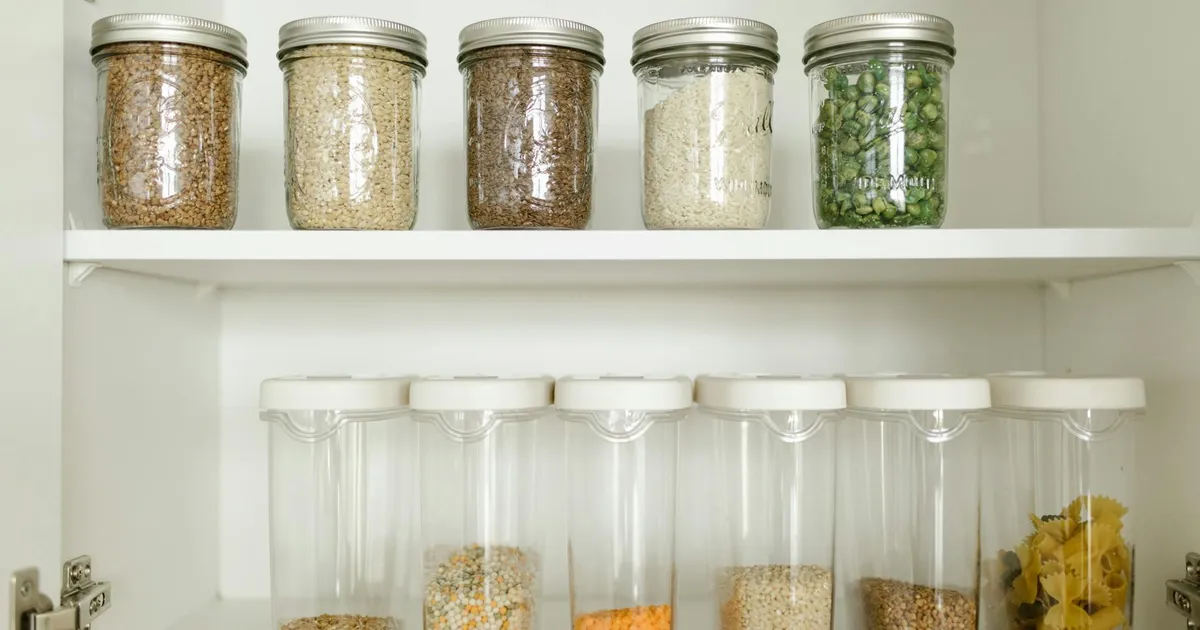
Plastic Food Storage Containers vs Glass Food Containers
Plastic food storage containers vs glass food containers: Glass containers offer superior safety and durability for most home storage needs.
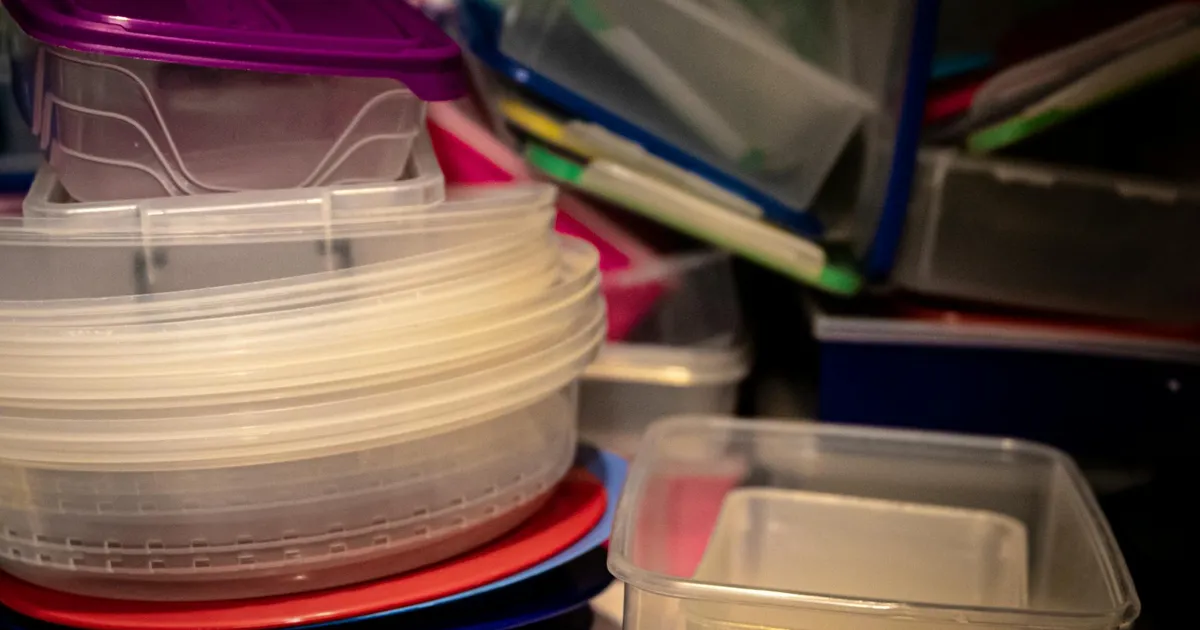
Glass food containers surpass plastic food storage containers for most home use. Glass provides superior safety and durability, making it a better choice for long-term food preservation. Plastic containers are lighter and more budget-friendly for single-use or high-volume needs.
Quick Comparison
| Feature | Food Storage Containers | Glass Food Containers |
|---|
Price and Value
The 50-pack of plastic food containers costs $21.99, offering a low initial investment for a large quantity. This makes them ideal for commercial use or frequent meal preppers on a budget. The 8-pack of glass containers costs $30.37, representing a higher per-unit price. However, glass offers better long-term value due to its durability and resistance to odors and stains, unlike plastic which degrades over time.
Capacity and Size
The plastic containers each hold 32 ounces, providing ample space for substantial meals. The 50-pack offers a total of 1600 ounces of storage, suitable for large-scale meal preparation. The glass containers are slightly larger at 36 ounces each, offering 4 more ounces per container. This larger individual capacity is beneficial for those needing to store slightly bigger portions or fewer, larger meals.
Features and Performance
The plastic containers are microwave, freezer, and dishwasher safe, offering versatile use for daily meal prep. They feature easy-open lids and a leakproof design, ensuring food stays contained. The glass containers are also oven, freezer, and dishwasher safe, with an impressive temperature range from 0°F to 300°F. Their snap-lock, leak-proof lids provide an airtight seal, preserving food freshness longer than typical plastic seals. Glass does not absorb food odors or stains, unlike plastic which can show wear and tear and leach chemicals when heated.
Ease of Use
Plastic containers are lightweight, making them easy to transport for lunches or picnics. Their stackable design simplifies storage in cabinets or refrigerators. Glass containers are heavier, which can be a drawback for portability, but their transparency allows easy identification of contents. Glass is also easier to clean thoroughly and maintains its appearance over time, resisting scratches and discoloration that often affect plastic.
Food Storage Containers — Pros and Cons
Pros:
- Very affordable at $21.99 for 50 containers.
- Lightweight and easy to transport.
- Microwave, freezer, and dishwasher safe for convenience.
- 50-pack provides a high volume of storage. Cons:
- Plastic can absorb food odors and stains over time.
- Chemicals may leach from plastic when heated.
- Less durable than glass, prone to showing wear.
Glass Food Containers — Pros and Cons
Pros:
- Superior safety; no chemical leaching when heated.
- Highly durable and resistant to odors and stains.
- Oven, freezer, and dishwasher safe (0°F to 300°F).
- Transparent design allows easy content viewing.
- Eco-friendly and reusable for many years. Cons:
- Higher initial cost at $30.37 for 8 containers.
- Heavier and more fragile than plastic.
- Can chip if dropped, requiring replacement for safety.
Who Should Buy Which?
Plastic food storage containers are better for budget-conscious individuals or those needing many containers for short-term use, like catering or large-batch meal prep for immediate consumption. Glass food containers are better for individuals prioritizing food safety, long-term durability, and environmental impact, especially for daily meal prep and storage. For more glass options, see our guide on the Best Glass Food Containers For Meal Prep.
FAQ
Q: Are glass containers safe for freezing and reheating? Most glass containers are freezer safe, but leave space for food expansion and avoid extreme temperature changes to prevent thermal shock. They can typically go from freezer to oven within a range of 0°F to 300°F. For more information, check out the Best Glass Food Containers For Freezer.
Q: Do plastic containers absorb food smells? Yes, plastic containers are prone to absorbing food odors and stains, especially from strong-smelling or colored foods like tomato sauce. This can make them less appealing for reuse over time.
Q: How do I choose between plastic and glass for lunch? For portability and light weight, plastic is often preferred for lunch. For healthier, odor-free, and stain-free storage, glass is a better choice, though heavier. Consider your commute and heating options. Learn more about Best Food Storage Containers For Lunch.
Final Verdict
Glass food containers are the superior choice for most home food storage due to their safety, durability, and resistance to odors and stains. While plastic containers offer a budget-friendly option for high-volume or disposable needs, their long-term performance and health implications are less favorable. Investing in glass provides a more sustainable and healthier solution for preserving meals.
- food-storage-containers
- food