How Long Does a Blender Last? A Durability Guide
How long does a blender last? Blenders typically last 3-5 years, but lifespan varies by type and usage. Learn to extend your blender's life.

This guide explains how long blenders last and factors influencing their lifespan. Understanding these details helps you maximize your appliance’s durability.
What You’ll Need
- Your blender
- User manual (for specific care instructions)
- Cleaning supplies (soap, water, brush)
Step 1: Understand Blender Types and Lifespan
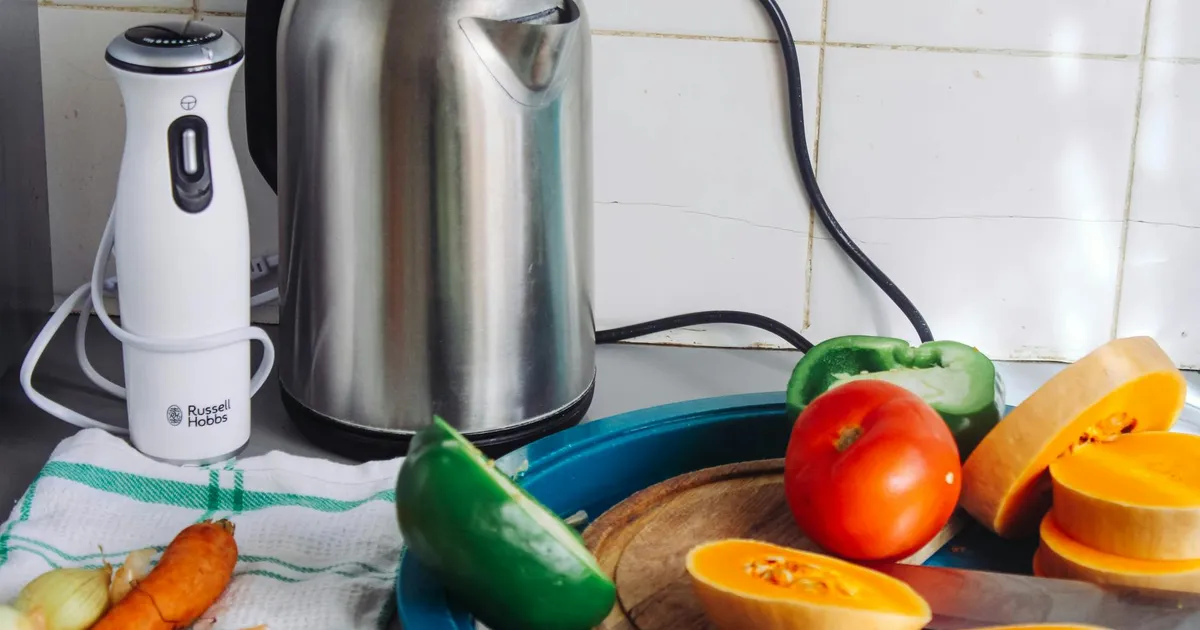
Blender lifespan varies significantly by type. Countertop blenders often last 3-5 years, while personal blenders typically last 1-3 years. Immersion blenders, also known as hand blenders, usually last 2-4 years.
Step 2: Assess Build Quality and Materials
High-quality blenders with durable materials last longer. Stainless steel blades resist wear better than plastic blades, handling tough ingredients like ice more effectively. Motors with over 1,500 watts handle heavy loads more efficiently, reducing strain and extending life. For specific recommendations, see our guide on the Best Blender For Ice.
Step 3: Consider Frequency of Use
Daily use shortens a blender’s lifespan due to increased wear and tear. A blender used once a week will last longer than one used multiple times daily. Frequent, extended blending sessions, such as running for more than 30 seconds continuously, also reduce durability.
Step 4: Practice Proper Cleaning and Maintenance
Regular cleaning prevents food buildup and motor strain. After each use, rinse the pitcher and blades immediately with warm, soapy water. Refer to your blender’s manual for specific cleaning instructions and part care.
Step 5: Recognize Signs of Wear
Watch for common signs indicating your blender needs replacement. These include unusual noises, a burning smell from the motor, dull or broken blades, and leaks from the pitcher base. Reduced blending efficiency also signals potential motor or blade issues.
Tips and Best Practices
- Do not overload the blender with too many ingredients at once.
- Cut large or hard ingredients into smaller pieces before blending.
- Add liquids first to help the blades move freely and reduce motor strain.
- Avoid running the blender for extended periods; use short bursts instead.
- Store the blender in a dry, safe place to prevent accidental damage.
Common Mistakes
- Blending hot liquids without venting, which can cause pressure buildup.
- Using the blender for non-food items, leading to blade damage.
- Ignoring unusual noises or smells, which indicate a problem.
- Failing to clean the blender immediately after use, allowing food to harden.
FAQ
Q: How long does a personal blender last? Personal blenders typically last 1-3 years, depending on usage frequency and build quality. For options, explore the Best Personal Blender For Baby Food or Best Personal Blender For Ice.
Q: What wattage indicates a powerful blender? Blenders with wattage over 1,500 watts are considered powerful and handle heavy loads efficiently. Lesser powerful blenders, like some personal blenders around 200-500 watts, suit lighter tasks.
Q: Can I extend my blender’s life? Yes, proper cleaning, avoiding overloading, and using the correct speed settings extend a blender’s life. Following the manufacturer’s care instructions also helps.
Q: When should I replace my blender? Replace your blender when you notice unusual noises, a burning smell, dull or broken blades, or leaks. These signs indicate significant wear or damage.
- blenders