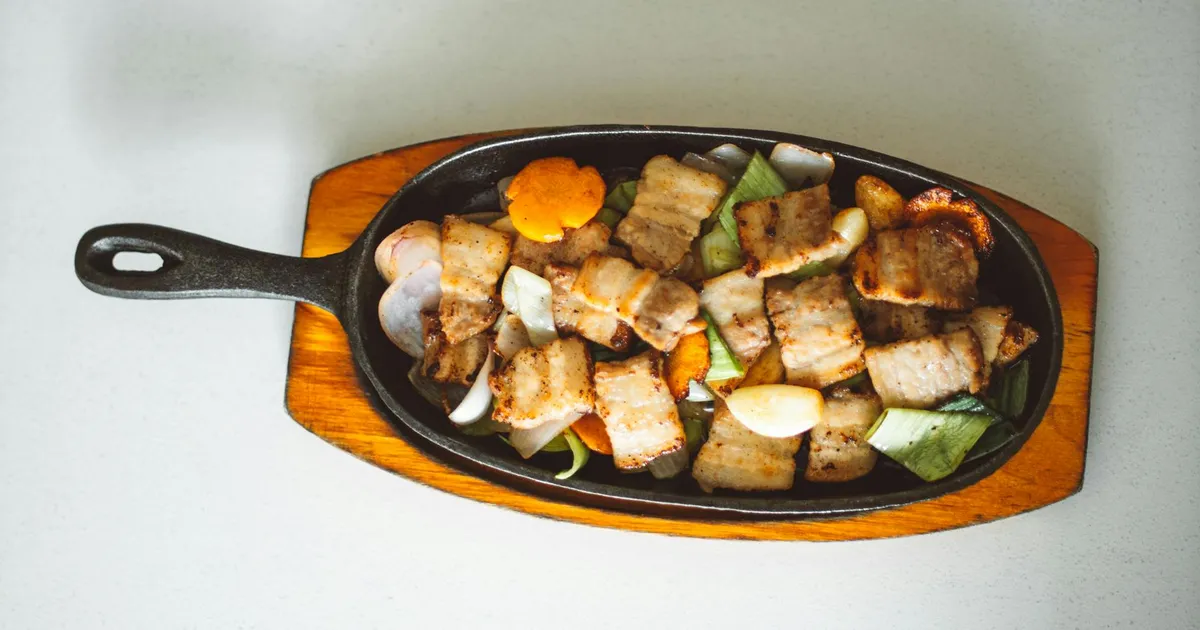
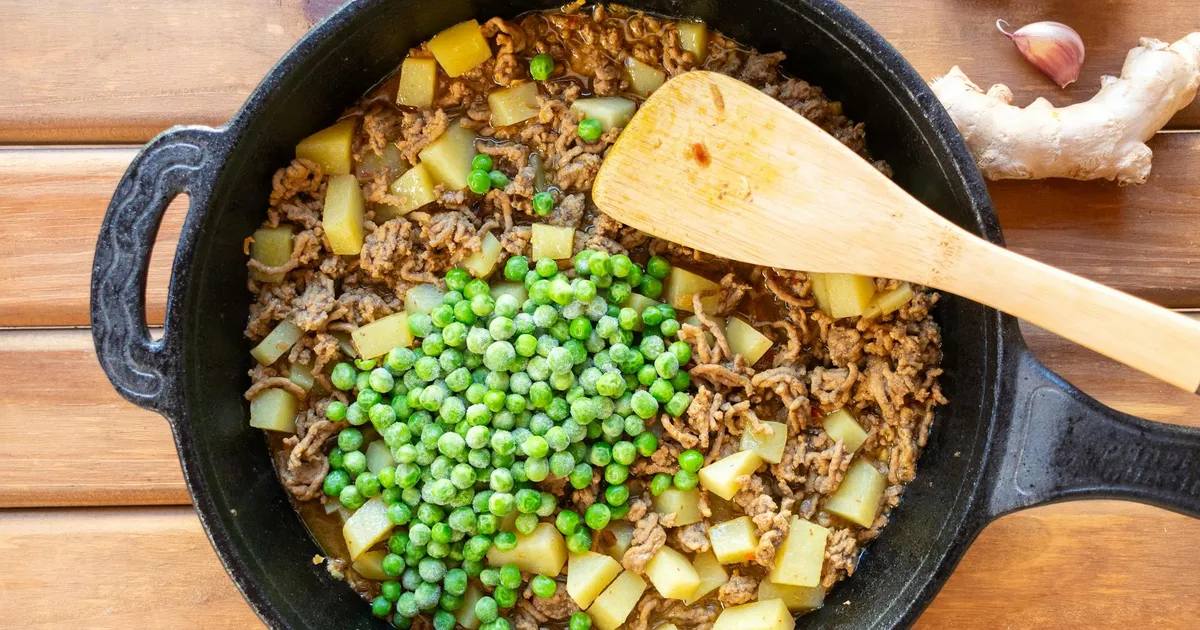
How Long Does a Cast Iron Skillet Last? Decades, Even Centuries
How long does a cast iron skillet last? With proper care, a cast iron skillet can last for decades, even centuries, becoming a true heirloom.

Intro
A cast iron skillet can last for decades, even centuries, with proper care. This guide details the steps to ensure your cast iron cookware becomes a lasting kitchen essential.
What You’ll Need
- Warm water
- Non-abrasive sponge or cloth
- Wooden spatula or scraper
- Mild dish soap (optional, for stubborn food)
- Paper towels or clean cloth
- Vegetable oil (e.g., flaxseed, grapeseed, canola)
- Oven mitts
Step 1: Clean After Each Use
Rinse your cast iron skillet with warm water immediately after cooking. Use a non-abrasive sponge or cloth to remove food particles. For stuck-on food, a wooden spatula or scraper works effectively.
Step 2: Dry Thoroughly
Immediately dry the skillet completely with paper towels or a clean cloth. Any moisture left on the surface can lead to rust formation. You can also place it on low heat on the stovetop for 1-2 minutes to ensure complete dryness.
Step 3: Apply a Thin Layer of Oil
Once dry, apply a very thin layer of vegetable oil to the entire surface of the skillet, inside and out. Use a paper towel to wipe off any excess oil, leaving a barely visible sheen. This step protects the seasoning.
Step 4: Re-season Periodically
To maintain a strong seasoning, re-season your skillet every few months or when food starts to stick. Apply a thin layer of oil, then place the skillet upside down in an oven preheated to 350°F (175°C) for one hour. Turn off the oven and let the skillet cool inside.
Step 5: Store Properly
Store your cast iron skillet in a dry place to prevent rust. If stacking other cookware on top, place a paper towel between the skillet and other items to absorb any residual moisture and protect the seasoned surface.
Tips and Best Practices
- Use your cast iron skillet regularly; frequent use helps build a strong seasoning.
- For new skillets, especially those not pre-seasoned, perform an initial seasoning before first use.
- Avoid extreme temperature changes, which can cause the skillet to crack.
- Cook acidic foods (like tomato sauce) for short durations initially, as they can strip seasoning over time.
- Consider using a Best Cast Iron Skillet For Steak for high-heat cooking.
Common Mistakes
- Soaking the skillet: Leaving cast iron to soak in water can quickly lead to rust.
- Using abrasive scrubbers: Steel wool or harsh pads can strip the seasoning.
- Air-drying: Allowing the skillet to air dry invites rust.
- Using too much soap: While mild soap is acceptable for tough messes, excessive use can degrade seasoning.
FAQ
Q: Can I use soap on my cast iron skillet? Yes, you can use a small amount of mild dish soap to clean a cast iron skillet, especially for stubborn food residue. Rinse thoroughly and dry immediately afterward.
Q: How do I remove rust from my cast iron skillet? Scrub the rusted area with steel wool or a stiff brush until the rust is gone. Wash, dry thoroughly, and then re-season the skillet multiple times.
Q: Does a pre-seasoned cast iron skillet last longer? Pre-seasoned skillets offer a head start, but their longevity still depends on consistent maintenance and proper care, just like unseasoned ones. You can find excellent options like the Best Pre-Seasoned Skillet For Induction.
- cast-iron-skillets
- cast