How Long Does a Coffee Maker Last? A Lifespan Guide
Discover how long does a coffee maker last, typically 5-15 years, and learn maintenance tips to extend its life and brewing quality.

Intro
This guide explains the typical lifespan of coffee makers and provides actionable steps to extend their service. Understanding these factors helps maintain optimal coffee flavor and avoid premature replacement.
What You’ll Need
- White vinegar or descaling solution
- Dish soap
- Soft sponge or brush
- Lint-free cloth
- Warm water
Step 1: Understand Coffee Maker Lifespan
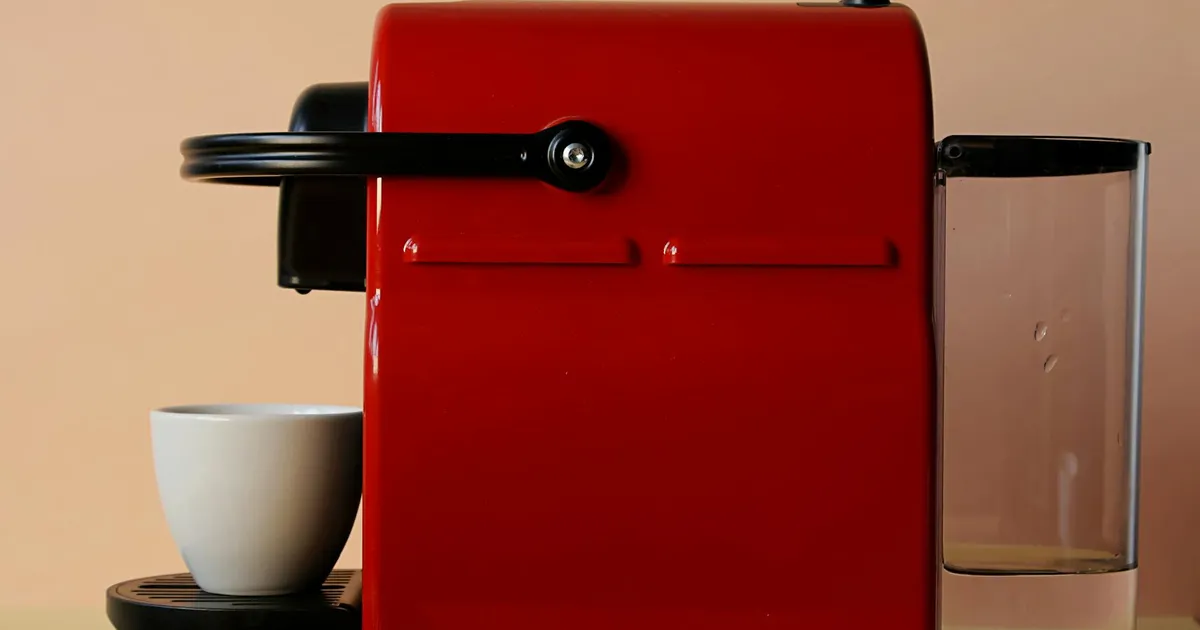
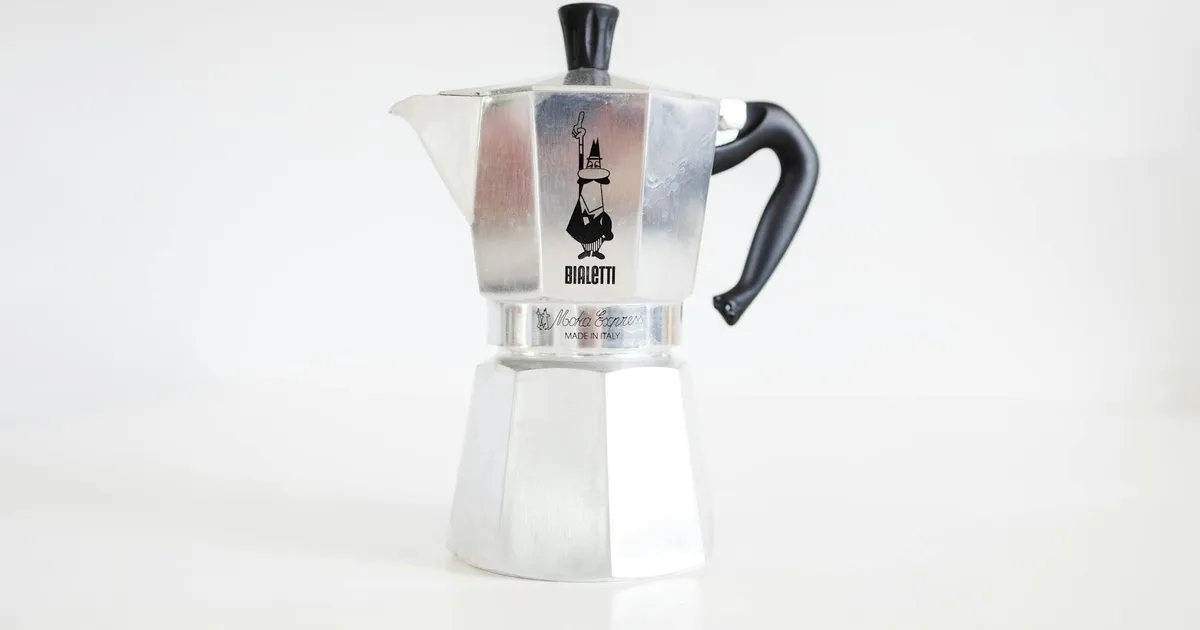
Most electric coffee makers last between 5 and 10 years, with some models extending to 15 years with proper care. Non-electrical brewers, like pour-overs or cold brew makers, often last much longer due to fewer mechanical parts. Factors like material quality and frequency of use directly impact longevity.
Step 2: Descale Regularly
Minerals from water build up inside your coffee maker, affecting performance and flavor. Descale your machine every 1-3 months, depending on water hardness, using a descaling solution or a 1:1 mixture of white vinegar and water. Run a full brewing cycle with the descaling solution, then follow with two cycles of fresh water to rinse thoroughly.
Step 3: Clean Removable Parts After Each Use
Wash the carafe, filter basket, and any other removable components with warm, soapy water after every brew. Rinse these parts thoroughly to remove all soap residue. This prevents coffee oil buildup and maintains fresh flavor.
Step 4: Wipe Down the Exterior Weekly
Use a damp, lint-free cloth to wipe the exterior of your coffee maker weekly. This removes spills, stains, and dust, keeping the appliance looking clean and preventing grime accumulation. A clean exterior also helps prevent components from sticking or corroding over time.
Step 5: Perform a Deep Clean Every Few Months
Every 3-6 months, disassemble your coffee maker as much as possible according to the manufacturer’s instructions. Clean each part with warm, soapy water, paying attention to hard-to-reach areas. Reassemble only after all parts are completely dry to prevent mold growth.
Tips and Best Practices
- Use filtered water to reduce mineral buildup and extend descaling intervals.
- Store your coffee maker in a cool, dry place to prevent moisture damage.
- Refer to your specific model’s manual for detailed cleaning instructions.
- Consider a drip coffee maker for general home use or a single-serve option for individual portions.
- Ensure brewing temperatures reach 195°F to 205°F (91°C to 96°C) for optimal extraction and flavor.
Common Mistakes
- Ignoring strange noises or slower brewing times, which indicate mineral buildup.
- Using abrasive cleaners or scourers that can scratch surfaces.
- Not rinsing parts thoroughly, leaving soap residue that affects coffee taste.
- Overfilling the water reservoir, which can lead to leaks or electrical issues.
FAQ
Q: How do I know when to replace my coffee maker? A: Replace your coffee maker if it brews slower, leaks, makes unusual noises, or if your coffee consistently tastes “off” despite regular cleaning.
Q: Does the type of coffee maker affect its lifespan? A: Yes, non-electrical coffee makers, like French presses, often last longer than electric models due to fewer moving parts and electronics. Single-serve coffee makers may have different lifespans compared to drip models.
Q: Can I use vinegar to clean all coffee makers? A: Most manufacturers approve white vinegar for descaling; however, always check your specific coffee maker’s manual for recommended cleaning solutions. Some specialized machines require specific descaling agents.
- coffee-makers
- coffee