Extend the Life of Your Instant-Read Thermometer: A Longevity Guide
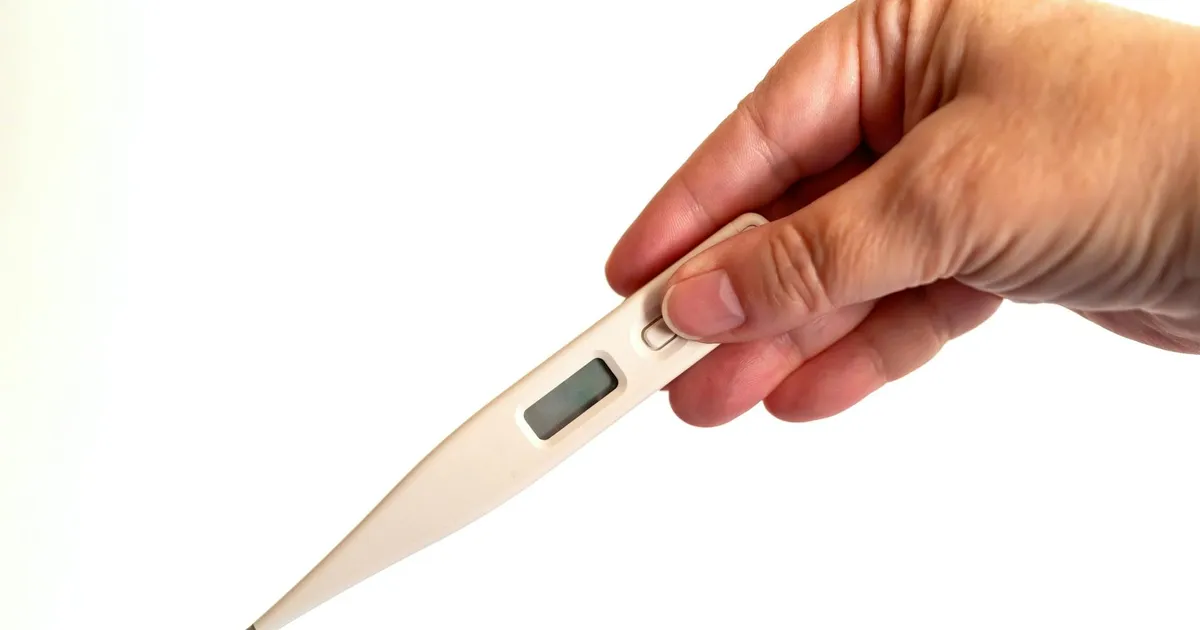
How long does instant read thermometer last? With proper care, a quality instant-read thermometer can last 5-10 years or more.

Intro
This guide details how to maximize the lifespan of your instant-read thermometer. Understanding proper maintenance ensures accurate temperature readings for many years.
What You’ll Need
- Mild dish soap
- Soft cloth or sponge
- Clean water
- Storage case (often included)
- New batteries (CR2032 or similar, check your model)
Step 1: Clean the Probe Immediately After Each Use
Clean the thermometer probe with mild dish soap and a soft cloth or sponge after every use. Food particles and grease can corrode the probe or obscure temperature sensors over time. Rinse the probe thoroughly with clean water, avoiding submersion of the main unit.
Step 2: Dry Completely Before Storing
Dry the thermometer probe and body completely with a clean towel before storing it. Moisture can lead to rust or damage to electronic components, especially around the battery compartment. Ensure no water remains in crevices.
Step 3: Store in a Protective Location
Store your instant-read thermometer in its original protective case or a dedicated drawer. This prevents physical damage from impacts or being crushed by other kitchen tools. Avoid extreme temperatures like direct sunlight or freezing conditions.
Step 4: Replace Batteries Promptly
Replace batteries as soon as the low-battery indicator appears or readings become inconsistent. Dead batteries can leak corrosive fluid, causing irreversible damage to the thermometer’s internal circuitry. Most models use common button-cell batteries like CR2032.
Step 5: Calibrate Periodically
Calibrate your instant-read thermometer every few months to ensure continued accuracy. Place the probe in a glass of ice water (32°F or 0°C) and then in boiling water (212°F or 100°C at sea level). Adjust if readings are off by more than 0.7°F.
Tips and Best Practices
- Avoid dropping the thermometer, as internal components are sensitive.
- Do not submerge the entire thermometer unless it is specifically rated as fully waterproof.
- Use the thermometer within its specified temperature range, typically from -58°F to 572°F (-50°C to 300°C).
- Consider a model like the ThermoWorks Thermapen ONE, which provides readings in 1-4 seconds, for speed and accuracy.
- Explore wireless meat thermometers for grilling for hands-free temperature monitoring.
Common Mistakes
- Submerging the entire unit: Most instant-read thermometers are not fully waterproof; only the probe is designed for liquid contact.
- Leaving batteries in a dead state: This increases the risk of battery leakage and internal corrosion.
- Storing loosely in a drawer: The probe or screen can bend, scratch, or break.
- Ignoring calibration: Over time, sensors can drift, leading to inaccurate temperature readings.
FAQ
Q: How long does an instant-read thermometer typically last? A: With proper care and maintenance, a high-quality instant-read thermometer can last 5-10 years or even longer. Factors like brand quality and usage frequency influence its lifespan.
Q: Can I wash my instant-read thermometer in the dishwasher? A: No, most instant-read thermometers are not dishwasher safe, as the high heat and water pressure can damage electronic components. Hand washing the probe is recommended.
Q: How often should I replace the batteries? A: Replace batteries when the low-battery indicator appears or if readings become slow or inconsistent, typically every 6-12 months with regular use.
Q: What is the best instant-read thermometer for precision? A: The ThermoWorks Thermapen ONE is highly rated for its speed (1-4 seconds) and accuracy, often within 0.7°F. For other options, refer to our guide on the best instant-read thermometer for instant read.
Q: Does extreme heat or cold affect the thermometer’s lifespan? A: Yes, storing the thermometer in extreme temperatures (e.g., above 120°F or below 0°F) can degrade its electronic components and reduce battery life.
- meat-thermometers
- meat