How to Choose a Blender: Your 5-Step Buying Guide
Learn how to choose a blender with this 5-step guide, covering types, power, jar materials, and essential features for your kitchen needs.

Intro
This guide details how to choose a blender that fits your specific needs, ensuring you select a durable and efficient appliance for various culinary tasks. Understanding key features makes the buying process straightforward.
What You’ll Need
- A list of your primary blending tasks (e.g., smoothies, soups, ice crushing)
- Knowledge of available kitchen space
- Budget considerations
Step 1: Identify Blender Type
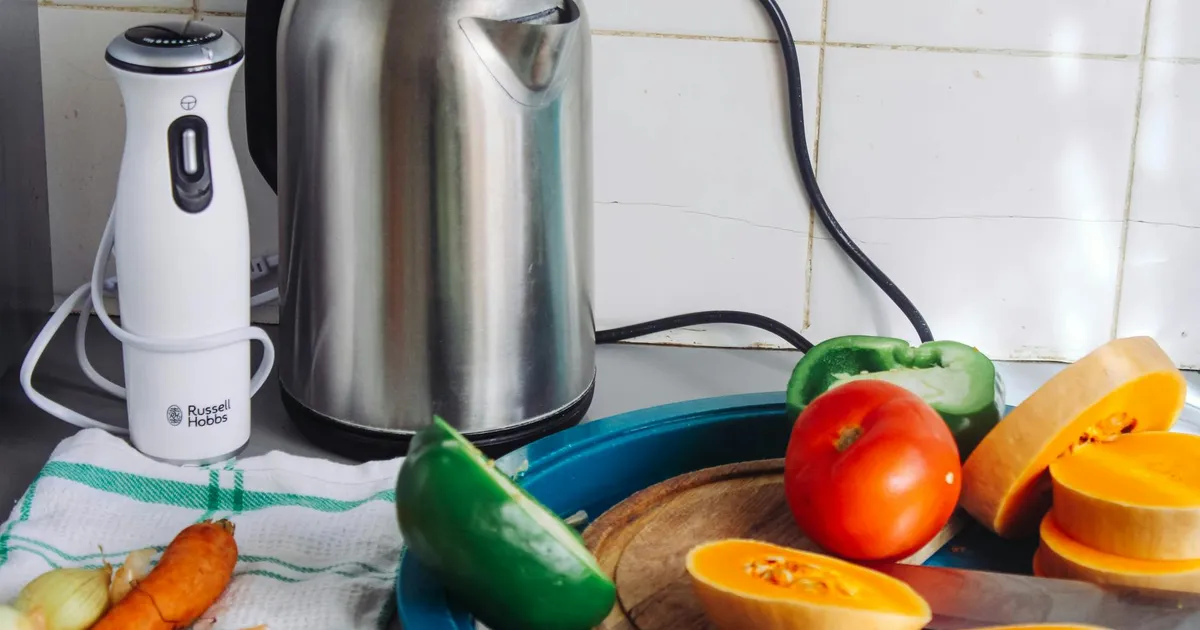
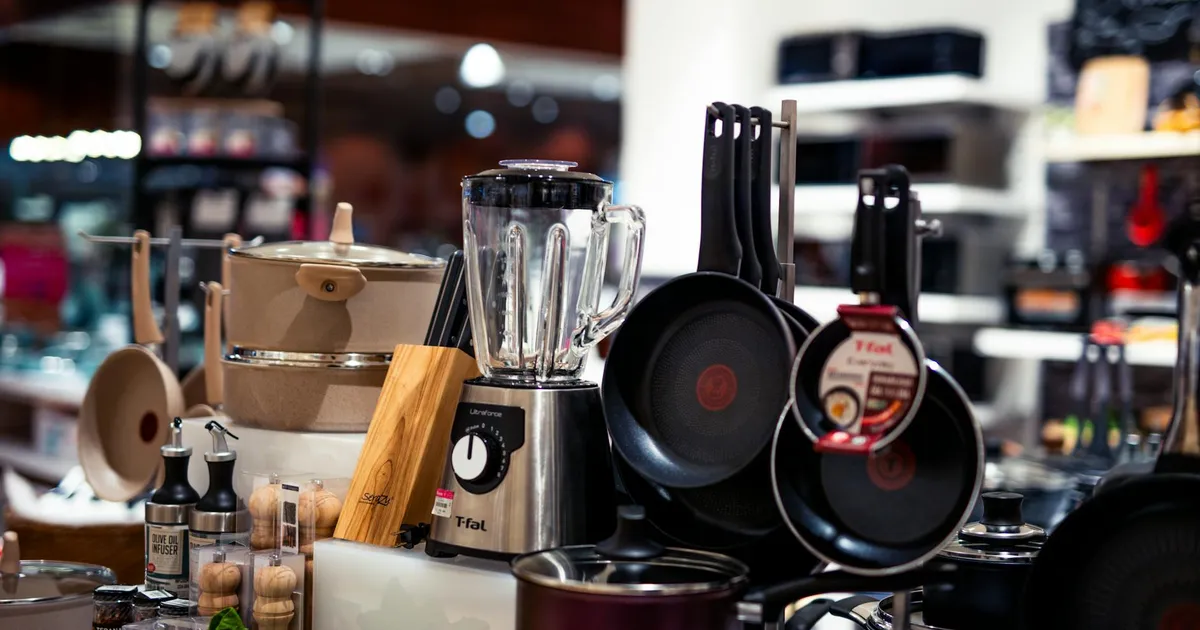
Choose from countertop, personal, or immersion blenders based on your intended use. Countertop blenders are versatile for large batches of smoothies, soups, and purees. Personal blenders are ideal for single servings and quick protein shakes, while immersion blenders blend directly in pots for soups or baby food.
Step 2: Assess Motor Power
Select a blender with adequate wattage for your blending tasks. Blenders with 600-700 watts handle soft fruits and liquids well. For crushing ice or blending frozen fruits, look for motors with 1200-1500 watts, ensuring consistent performance. Best Blender For Ice offers options for high-power needs.
Step 3: Evaluate Jar Material and Capacity
Consider glass, Tritan plastic, or standard plastic jars, each offering different benefits. Glass jars resist scratches and odors but are heavier and more fragile. Tritan plastic is lightweight, durable, and shatter-resistant, while standard plastic is the most affordable option. Choose a capacity that matches your typical batch size, from 16-ounce personal cups to 64-ounce family-sized jars.
Step 4: Review Speed Settings and Features
Look for blenders with multiple speed settings and specific functions like pulse or smoothie presets. Variable speed controls offer greater precision for different ingredients and textures. Additional features like self-cleaning modes or tamper tools enhance usability and convenience.
Step 5: Consider Ease of Cleaning
Opt for blenders with removable blades and dishwasher-safe parts for simple maintenance. Many blenders offer a quick self-cleaning method: add warm water and a drop of dish soap, blend for 30 seconds, then rinse thoroughly. Easy cleaning extends the appliance’s lifespan.
Tips and Best Practices
- Match blender type to your primary use; a personal blender suits Best Personal Blender For Baby Food needs.
- Prioritize higher wattage (1200W+) for tough ingredients like ice or nuts.
- Select jar material based on durability and resistance to odors.
- Look for blenders with a pulse function for better control over texture.
- Check for stable bases and sturdy construction to prevent movement during operation.
Common Mistakes
- Buying a low-wattage blender for heavy-duty tasks like crushing ice.
- Overlooking jar capacity, leading to too small or too large a blender for daily use.
- Ignoring cleaning instructions, which can shorten the blender’s life.
- Not checking for warranty or customer support availability.
FAQ
Q: Is a powerful motor always better in a blender? A: A powerful motor is beneficial for tough ingredients like frozen fruits and ice, but 600-700 watts suffice for basic blending tasks.
Q: What is the best type of blender for making soup? A: Countertop blenders are excellent for large batches of smooth soup, while immersion blenders allow blending directly in the pot. Best Blender For Soup provides specific recommendations.
Q: How do I clean my blender effectively? A: Add warm water and a drop of dish soap to the jar, blend for 30 seconds, then rinse thoroughly with clean water. This method cleans most residue.
Q: Are personal blenders good for crushing ice? A: Some personal blenders with higher wattage (900W+) can crush ice effectively, but many are designed for softer ingredients. Check product specifications for ice-crushing capabilities, such as those found in Best Personal Blender For Ice.
- blenders