How to Choose a Ceramic Pan for Your Kitchen
Learn how to choose a ceramic pan with this guide. Prioritize material, size, heat resistance, and brand for optimal cooking.

This guide details how to choose a ceramic pan, ensuring you select cookware that meets your specific cooking needs and preferences. Understanding key features helps you make an informed purchase.
What You’ll Need
- Access to product specifications (online or in-store)
- Knowledge of your stove type (gas, electric, induction)
- Understanding of common pan sizes (e.g., 10-inch frying pan)
Step 1: Examine Pan Construction Materials
Choose ceramic pans with a metallic base, typically aluminum or stainless steel, for even heat distribution. The non-stick coating usually consists of silicon dioxide, free from PFOA and PTFE. This makes ceramic pans a healthier alternative to traditional non-stick options.
Step 2: Determine the Optimal Size
Select a pan size that suits your cooking volume and stovetop burners. A 10-inch ceramic frying pan is a versatile option for many households. Consider larger pans, such as 12-inch, for family meals or smaller 8-inch pans for single servings, like eggs.
Step 3: Verify Heat Resistance
Check the pan’s maximum temperature rating to ensure it withstands your cooking methods. Many ceramic pans safely handle temperatures up to 400°F (200°C) to 450°F (230°C). Some specialized ceramic cookware can endure temperatures up to 600°F (315°C) or even 842°F (450°C).
Step 4: Evaluate Compatibility with Your Stove
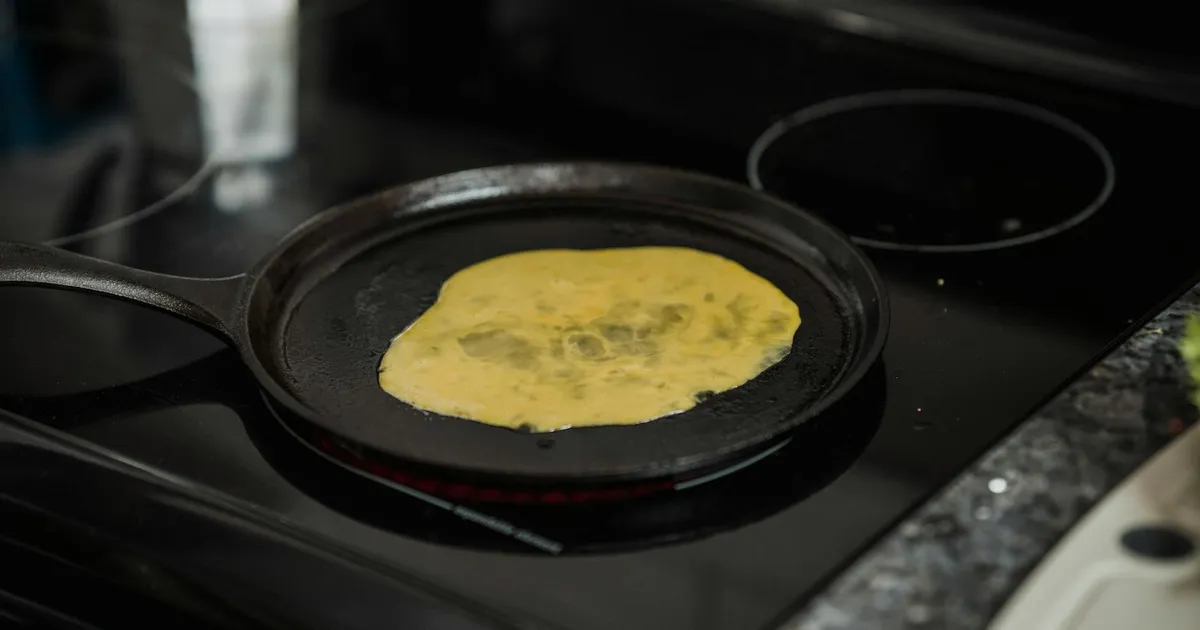
Ensure the ceramic pan is compatible with your specific stovetop. Ceramic pans work well on gas and electric stoves, but induction cooktops require pans with magnetic bases. Look for specific induction-compatible labeling if you have an induction stove.
Step 5: Research Reputable Brands
Consider brands known for quality and durability, such as Calphalon, All-Clad, and Anolon. Reading product reviews provides insight into real-world performance and longevity. You can find excellent options for under $50 from various manufacturers.
Tips and Best Practices
- Prioritize pans with strong, riveted handles for secure handling.
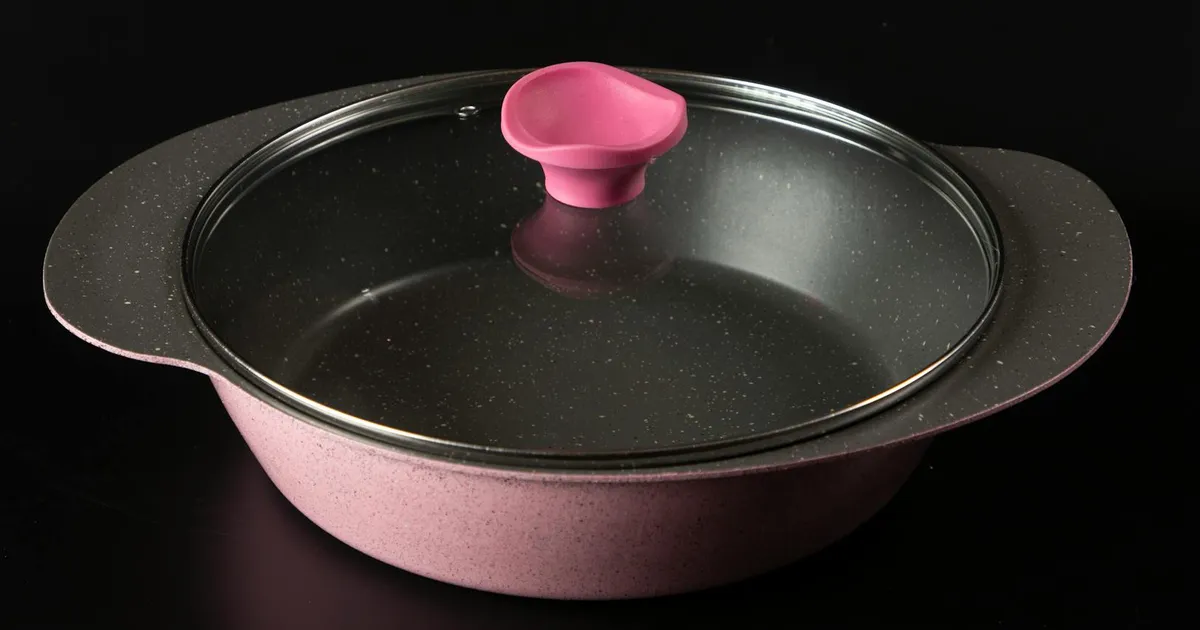
- Look for tempered glass lids to monitor cooking without lifting.
- Hand wash ceramic pans with mild soap and a soft sponge to preserve the coating.
- Avoid using metal utensils which can scratch the non-stick surface.
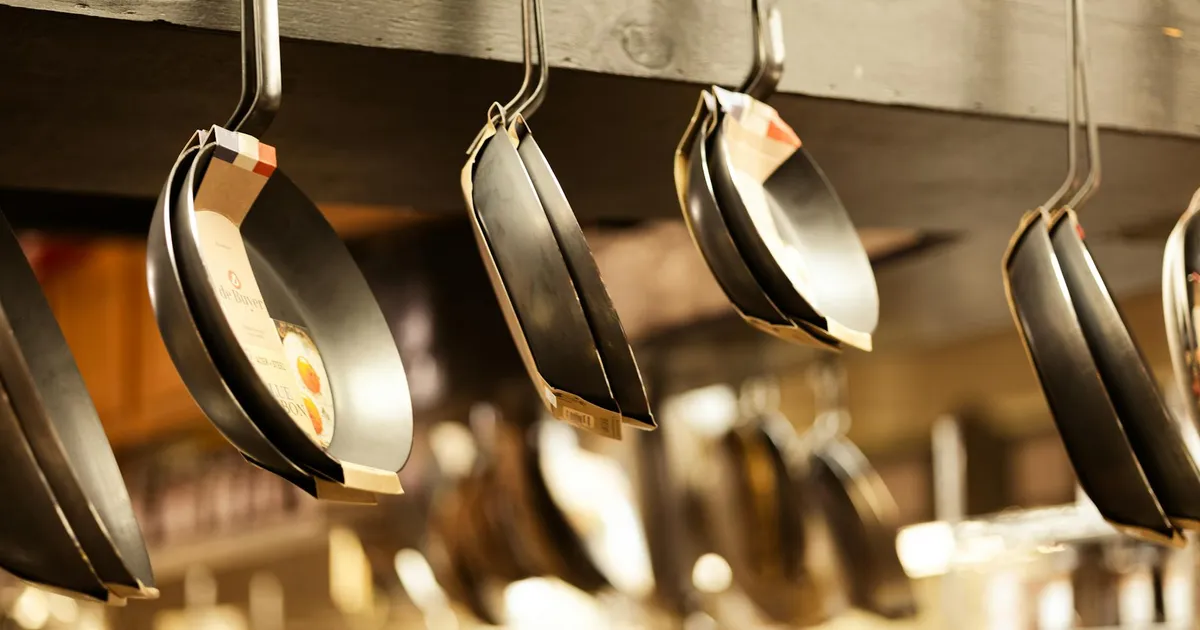
- Store pans with protectors between them to prevent surface damage.
Common Mistakes
- Overheating the pan, which can degrade the non-stick coating over time.
- Using abrasive cleaners or scouring pads, leading to surface scratches.
- Placing hot pans directly into cold water, causing thermal shock and potential warping.
- Ignoring manufacturer care instructions, which can void warranties.
FAQ
Q: What is a ceramic pan made of? A: Ceramic pans typically feature a metallic base, often aluminum or stainless steel, coated with a naturally derived, non-stick material like silicon dioxide. This coating is free from PFOA and PTFE.
Q: Are ceramic pans safe to use? A: Yes, ceramic pans are generally considered safe as their non-stick coating is free from PFOA and PTFE, chemicals found in older non-stick cookware. They offer a healthier cooking alternative.
Q: How do I clean a ceramic pan? A: Clean ceramic pans with warm water, mild dish soap, and a soft sponge or cloth. Avoid abrasive cleaners and metal scrubbers to protect the non-stick surface.
Q: Can I use metal utensils on a ceramic pan? A: No, avoid using metal utensils on ceramic pans as they can scratch and damage the non-stick coating. Opt for silicone, wood, or plastic utensils instead.
- non
- non-stick-pans