How to Choose an Instant-Read Thermometer for Accurate Cooking
Learn how to choose an instant-read thermometer by considering speed, accuracy, probe type, and features for precise cooking results.

Intro
This guide explains how to choose an instant-read thermometer for consistent cooking results. Accurate temperature readings prevent undercooked or overcooked food.
What You’ll Need
- Knowledge of thermometer features
- Understanding of cooking needs
Step 1: Evaluate Read Speed
Prioritize thermometers that display temperatures within 2-4 seconds. Slower models, taking 5-10 seconds, increase heat loss from the food. Faster readings provide more immediate feedback for precise adjustments during cooking.
Step 2: Check Temperature Accuracy
Select thermometers with an accuracy of ±1°F (±0.5°C). Independent tests show some models provide readings within 0.5°F of the actual temperature. Consistent accuracy ensures food safety and optimal doneness.
Step 3: Consider Probe Design
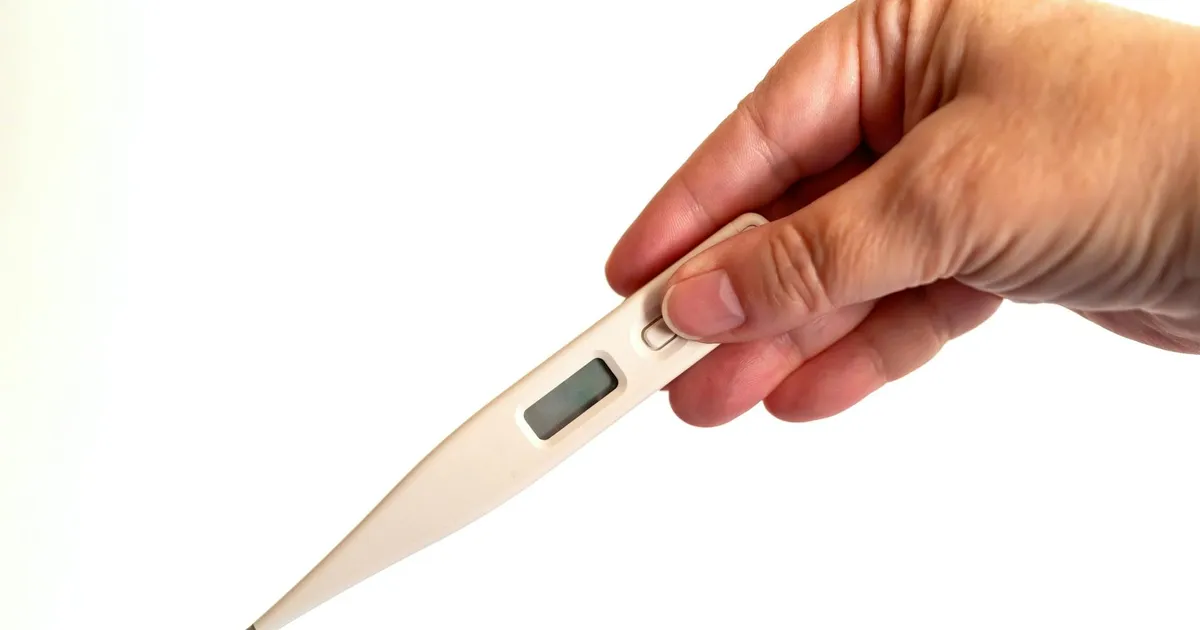
Look for a thin, sharp probe, typically 1.5mm to 2mm in diameter. A thinner probe leaves a smaller puncture hole, minimizing juice loss from meats like steak or chicken. Probes between 4-6 inches long offer versatility for various food sizes.
Step 4: Assess Display and Features
Choose a thermometer with a large, backlit digital display for easy reading in different lighting conditions. Additional features like auto-rotation, temperature hold, and calibration functions enhance usability. Some models include a magnetic back for convenient storage on metal surfaces.
Step 5: Review Temperature Range
Ensure the thermometer’s temperature range covers your typical cooking needs, from freezing to high-heat searing. Most instant-read thermometers measure from approximately -58°F (-50°C) to 572°F (300°C). This broad range accommodates various dishes, including deep frying and candy making.
Step 6: Examine Durability and Water Resistance
Select a thermometer made with durable materials, such as food-grade stainless steel and impact-resistant plastic. Look for an IP rating of IP67 or higher, indicating the device is waterproof and can withstand splashes or even brief submersion. This protects against kitchen accidents and simplifies cleaning.
Tips and Best Practices
- Calibrate your thermometer regularly using an ice bath (32°F/0°C) or boiling water (212°F/100°C at sea level).
- Clean the probe after each use with warm, soapy water to prevent cross-contamination.
- Store the thermometer in a protective sheath or case to prevent damage to the probe.
- Consider a model with a long battery life or easily replaceable batteries for consistent use.
- For grilling, a wireless meat thermometer offers remote monitoring.
Common Mistakes
- Ignoring calibration: An uncalibrated thermometer provides inaccurate readings, leading to improperly cooked food.
- Using a slow thermometer: Slow read times cause overcooking as you wait for a stable temperature.
- Not cleaning the probe: A dirty probe can transfer bacteria between foods, posing a health risk.
- Inserting the probe incorrectly: Placing the probe near bone or fat yields an incorrect temperature reading.
FAQ
Q: What is the ideal read speed for an instant-read thermometer? An ideal instant-read thermometer displays a stable temperature within 2-4 seconds. Faster speeds allow for quicker adjustments and less heat loss from food.
Q: How accurate should an instant-read thermometer be? An instant-read thermometer should have an accuracy of at least ±1°F (±0.5°C) for reliable cooking results. Higher accuracy ensures food is cooked to the correct internal temperature.
Q: Can I use an instant-read thermometer for smoking meat? Yes, an instant-read thermometer works for quick temperature checks during smoking, but a wireless meat thermometer for smoking provides continuous monitoring. For smoking, you often need to track temperatures over several hours.
Q: What probe length is best for an instant-read thermometer? A probe length of 4-6 inches is generally best, offering versatility for various food sizes and depths. This length allows you to reach the center of thick cuts of meat.
- meat-thermometers
- meat