How to Choose a Kitchen Knife Set for Your Home
Learn how to choose a kitchen knife set by evaluating knife types, materials, construction, and handle design. This guide helps you select the best set.

Intro
This guide explains how to choose a kitchen knife set that meets your cooking needs. Selecting the right knives improves kitchen efficiency and safety.
What You’ll Need
- A list of your most frequent cooking tasks
- An understanding of common knife types
- Knowledge of blade materials and construction
- Information on handle designs
Step 1: Identify Essential Knife Types
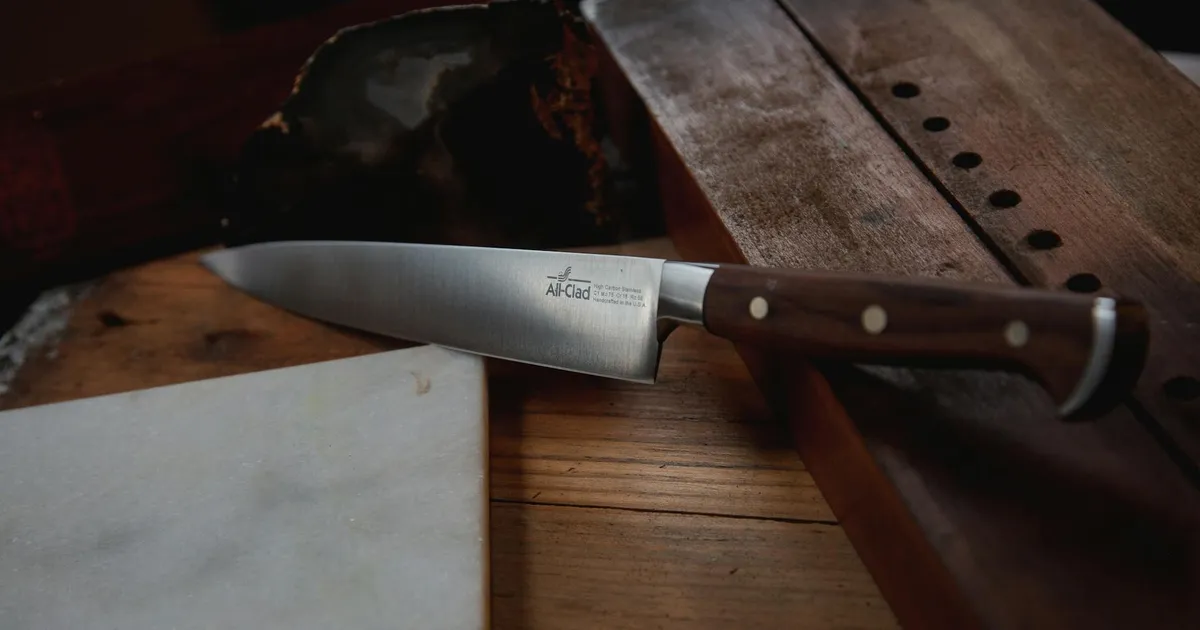
Determine which specific knives you need for daily cooking. A well-rounded set typically includes a chef’s knife, a paring knife, and a serrated utility knife. For example, a chef’s knife, often 8-12 inches long, handles most chopping tasks. Consider a best chef knife for home cooks for general use.
Step 2: Evaluate Blade Material
Choose a blade material based on your priorities for sharpness and maintenance. Stainless steel offers good corrosion resistance and is easy to maintain. High-carbon stainless steel combines rust resistance with better edge retention.
Step 3: Understand Knife Construction
Select between forged or stamped blades for durability and balance. Forged knives are made from a single piece of steel heated and molded, resulting in a stronger, stiffer blade. Stamped blades are machine-cut from steel sheets and are generally lighter and less expensive.
Step 4: Examine Handle Design and Material
Prioritize comfort and safety by checking the handle’s ergonomic design and material. Handles made from synthetic materials like POM or composite wood offer good grip and durability. Ensure the handle fits comfortably in your hand, providing secure control during use.
Step 5: Consider Set Size and Storage
Decide on the number of knives you truly need to avoid unnecessary clutter. A smaller, high-quality set of 3-5 essential knives often serves better than a large set with rarely used tools. Many sets come with a block for safe and convenient storage.
Tips and Best Practices
- Prioritize a few high-quality essential knives over a large, inexpensive set.
- Test the knife’s balance and feel in your hand before purchasing.
- Research specific knife types for specialized tasks, such as a best knife set for vegetables.
- Read reviews from other home cooks to gauge real-world performance.
- Invest in a good sharpening tool to maintain blade edges.
Common Mistakes
- Buying a set with too many specialized knives you will not use.
- Ignoring handle comfort, which leads to hand fatigue and reduced control.
- Choosing knives based solely on price without considering material or construction.
- Neglecting proper knife care, which shortens the lifespan of the blades.
FAQ
Q: What is the most important knife in a kitchen set? The chef’s knife is typically the most important, handling 80% of kitchen tasks like slicing, dicing, and mincing. Consider a best chef knife for beginners for a good starting point.
Q: Are forged or stamped knives better? Forged knives are generally more durable and balanced due to their single-piece construction and heat treatment. Stamped knives are lighter and more budget-friendly.
Q: How many knives do I really need in a set? Most home cooks only need 3-5 essential knives: a chef’s knife, a paring knife, and a serrated utility knife. Additional knives can be added based on specific cooking habits, such as a best chef knife for meat cutting.
Q: How do I maintain my kitchen knife set? Hand wash and immediately dry your knives after each use to prevent rust and maintain sharpness. Sharpen blades regularly and store them in a block or magnetic strip.
- knife
- knife-sets