How to Choose a Meat Thermometer for Safe and Delicious Cooking
Learn how to choose a meat thermometer by considering type, probe length, and temperature range. Ensure food safety and perfect doneness every time.

Intro
This guide explains how to choose a meat thermometer, ensuring your cooked meats are both safe to eat and perfectly prepared. Using a thermometer prevents foodborne illnesses by confirming internal temperatures meet safety standards.
What You’ll Need
- A clear understanding of your cooking needs (grilling, roasting, smoking)
- Knowledge of different thermometer types
Step 1: Determine Thermometer Type
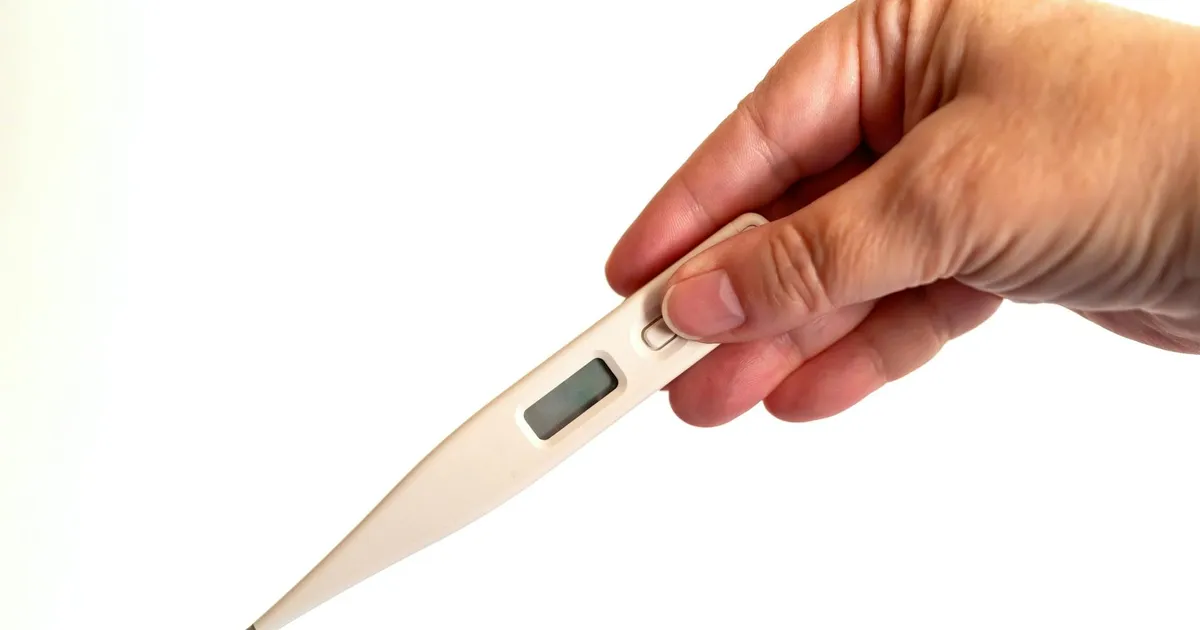
Choose between instant-read, probe, or wireless thermometers based on your cooking method. Instant-read thermometers provide a temperature reading in one second, ideal for quick checks on grills or stovetops. Probe thermometers stay in the meat during cooking, perfect for ovens or smokers, often featuring an alarm for target temperatures. Wireless models offer remote monitoring, great for long smoking sessions, as detailed in our guide on the Best Wireless Meat Thermometer For Smoking.
Step 2: Consider Probe Length and Diameter
Select a probe long enough to reach the center of thick cuts of meat, typically 5 to 6 inches. A thin probe, around 5 mm in diameter, minimizes juice loss from the meat. Longer probes are beneficial for larger roasts or turkeys.
Step 3: Check Temperature Range and Accuracy
Ensure the thermometer can measure across the temperatures you cook at, from refrigeration temperatures to high roasting temperatures, potentially up to 500°F (260°C). Accuracy is critical, with a good thermometer providing readings within +/- 1°F. Some models, like the ThermoWorks Thermapen One, offer full readings in just one second.
Step 4: Evaluate Display and Features
Opt for a thermometer with a clear, backlit digital display for easy reading in various lighting conditions. Additional features like a hold function, temperature alarms, or pre-programmed settings for different meats enhance usability. For oven use, consider an Instant Read Thermometer For Oven.
Step 5: Assess Durability and Power Source
Look for thermometers made with sturdy materials, often stainless steel, that can withstand kitchen environments. Battery life is also important; some models boast up to 500 hours of operation on a single battery. Many thermometers offer a 5-year warranty, indicating manufacturer confidence in their product.
Step 6: Review Calibration and Maintenance
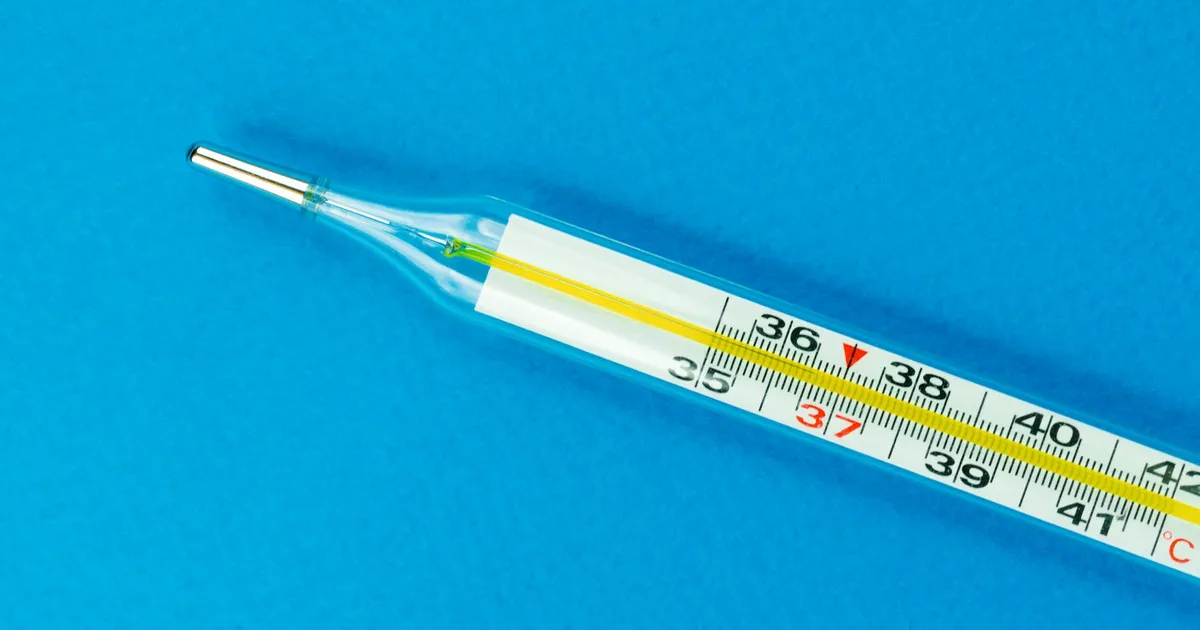
Choose a thermometer that is easy to calibrate, typically using ice water (32°F / 0°C) or boiling water (212°F). Regular calibration ensures continued accuracy over time. Some thermometers come with specific calibration instructions.
Tips and Best Practices
- Match the thermometer type to your primary cooking method; a Meat Thermometer For Grilling differs from one for roasting.
- Always insert the probe into the thickest part of the meat, avoiding bone.
- Calibrate your thermometer every few months or if you suspect inaccurate readings.
- Clean the probe thoroughly after each use to prevent bacterial transfer.
- Consider a thermometer with a magnetic back for convenient storage on your refrigerator or grill.
Common Mistakes
- Using the wrong thermometer type: An instant-read thermometer is not suitable for continuous monitoring in an oven.
- Ignoring calibration: An uncalibrated thermometer can give dangerously inaccurate temperature readings.
- Inserting the probe incorrectly: Hitting bone or fat pockets will result in an incorrect temperature reading.
- Not checking the temperature in multiple spots: Larger cuts of meat can have varying temperatures throughout.
FAQ
Q: How often should I calibrate my meat thermometer? Calibrate your meat thermometer every few months or whenever you question its accuracy, using an ice water bath or boiling water.
Q: Can I use an instant-read thermometer in the oven? No, instant-read thermometers are designed for quick checks and should not be left in the oven during cooking. For oven use, choose a probe thermometer.
Q: What is the ideal probe length for a meat thermometer? A probe length of 5 to 6 inches is generally ideal to reach the center of most roasts and poultry.
Q: Are wireless meat thermometers worth the investment? Wireless meat thermometers offer convenience for long cooking times like smoking, allowing you to monitor temperatures remotely, as discussed in our guide on the Best Wireless Meat Thermometer For Wireless.
- meat-thermometers
- meat