How to Clean Ceramic Pans Effectively
Learn how to clean ceramic pan surfaces with this guide. Follow simple steps to remove food residue and maintain your cookware.

Intro
This guide provides clear steps on how to clean ceramic pans properly. Regular cleaning removes food particles, preventing sticky buildup and maintaining your pan’s non-stick properties.
What You’ll Need
- Sponge or soft dishcloth
- Dish towel
- Sink or large dishpan
- Warm water
- Dish soap
- Baking soda (optional)
- White vinegar (optional)
- Hydrogen peroxide (optional)
Step 1: Allow the Pan to Cool
Remove the ceramic pan from the heat source and place it on a heat-safe surface. Wait 10-15 minutes for the pan to cool completely before washing. Rapid temperature changes can damage the ceramic coating.
Step 2: Prepare Soapy Water
Fill a sink or dishpan with warm water. Add a few squirts of mild dish soap to create suds.
Step 3: Wash with a Soft Sponge
Submerge the cooled ceramic pan in the soapy water. Use a non-abrasive sponge or soft dishcloth to gently clean all surfaces, removing food residue.
Step 4: Rinse and Dry
Rinse the cookware thoroughly under warm running water to remove all soap. Dry the pan immediately with a soft dish towel or allow it to air-dry in a dish rack.
Step 5: Remove Hardened Food
For stubborn, burnt-on food, let the pan soak in warm, soapy water for 20-30 minutes. If food remains, create a paste with 2 tablespoons of baking soda and 1 tablespoon of water. Apply the paste to the affected area, let it sit for 10 minutes, then gently scrub with a soft sponge.
Step 6: Address Stains
For brown discoloration or tougher stains, combine 2 cups of water, 2 tablespoons of white vinegar, and 1 teaspoon of 3% hydrogen peroxide in the pan. Bring the mixture to a simmer for 10 minutes. Allow it to cool, then wash and rinse the pan as usual.
Tips and Best Practices
- Wash ceramic pans after every use to prevent food buildup.
- Periodically inspect the pan’s surface for discoloration, indicating a need for deep cleaning.
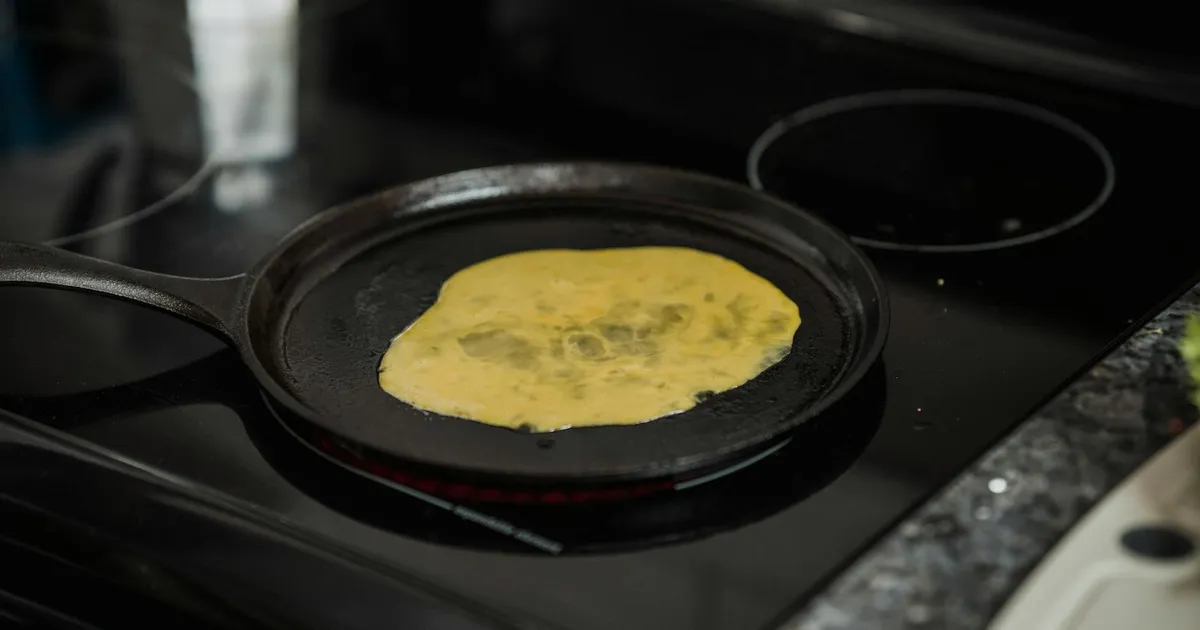
- Consider using ceramic pans for specific tasks like cooking eggs to minimize wear.
- Store pans carefully to avoid scratching the ceramic surface.
- For optimal performance, always use low to medium heat when cooking with ceramic pans.
Common Mistakes
- Using abrasive scrubbers: Steel wool or harsh pads can scratch and degrade the ceramic coating.
- Washing a hot pan: Submerging a hot pan in cold water causes thermal shock, potentially warping or cracking the pan.
- Using metal utensils: Metal spatulas or spoons can chip the ceramic surface. Use silicone or wooden tools instead.
- Using harsh chemicals: Bleach or oven cleaner can damage the non-stick properties and coating.
FAQ
Q: How often should I deep clean my ceramic pan? Deep clean your ceramic pan when you notice brown discoloration or sticky residue that regular washing does not remove. This typically occurs every few weeks with regular use.
Q: Can I put my ceramic pan in the dishwasher? Most manufacturers recommend hand washing ceramic pans to preserve the non-stick coating and extend the pan’s lifespan. Dishwasher detergents can be too harsh.
Q: What if food still sticks after cleaning? If food consistently sticks, the non-stick coating may be compromised. Ensure you are cooking with appropriate oils and at correct temperatures, as even the best non-stick pans can lose effectiveness over time.
Q: Is it safe to use baking soda and vinegar on ceramic pans? Yes, baking soda and white vinegar are safe for ceramic pans when used as directed for cleaning burnt food and stains. Rinse thoroughly after use.
- non
- non-stick-pans