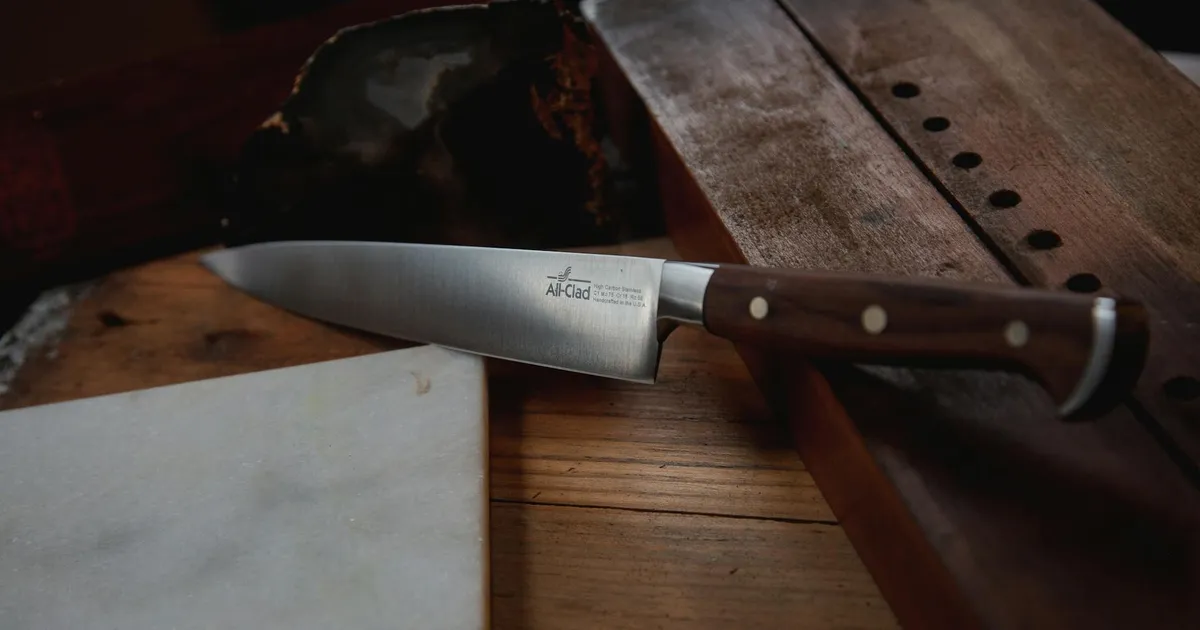
How to Clean a Chef Knife: A Step-by-Step Guide
Learn how to clean a chef knife properly with this guide. Maintain blade sharpness and prevent damage by following simple steps for washing and drying.

Intro
Cleaning your chef knife correctly extends its lifespan and ensures safe food preparation. This guide details the necessary steps to wash and dry your best chef knife for home cooks or best chef knife for professional after each use. Proper maintenance prevents rust and dulling, keeping your blade sharp and effective.
What You’ll Need
- Warm Water (lukewarm is ideal)
- Mild Dish Soap
- Soft Sponge or Cloth (avoid abrasive pads)
- Clean, Soft Drying Towel (microfiber works well)
- Optional: White Vinegar (for deep cleaning)
- Optional: Mineral Oil (for carbon steel knives)
Step 1: Rinse the Blade
Rinse the chef knife immediately after use under warm running water. This removes loose food particles and prevents them from drying onto the blade. Focus on both sides of the blade and the handle.
Step 2: Apply Mild Soap
Apply a small amount of mild dish soap to a soft sponge or cloth. Avoid harsh detergents, which can strip protective coatings or damage handle materials. Gently lather the soap onto the blade.
Step 3: Wash the Blade and Handle
Carefully wipe the blade from the spine towards the edge, away from your body. Clean the entire blade surface and pay close attention to the bolster and handle junction, where food and moisture often collect. Ensure all food residue is removed to prevent cross-contamination.
Step 4: Rinse Thoroughly
Rinse the knife under warm running water again, ensuring all soap residue is completely removed. Soap left on the blade can cause discoloration or leave a film. Check for any remaining suds.
Step 5: Dry Immediately
Immediately dry the knife with a clean, soft towel. Drying is as critical as washing; moisture is the primary cause of rust formation. Pay special attention to the area where the blade meets the handle, as water often pools there.
Step 6: Air Dry Briefly (Optional)
After towel drying, allow the knife to air dry for 1-2 minutes on a clean surface. This ensures any lingering moisture evaporates completely. Never air dry for extended periods, as this invites rust.
Tips and Best Practices
- Clean your knife immediately after each use to prevent food acids from damaging the blade.
- For carbon steel knives, apply a thin layer of mineral oil after drying to prevent rust.
- Use a cutting board made of wood or plastic; glass or stone boards dull blades quickly.
- Store knives in a block, magnetic strip, or sheath to protect the edge and prevent accidental cuts.
- Consider a deep clean with a diluted white vinegar solution (1 part vinegar to 4 parts water) for sticky residues or if the knife has not been cleaned in a while.
Common Mistakes
- Dishwasher Cleaning: Never put a chef knife in a dishwasher; harsh detergents and high heat dull the blade and damage the handle.
- Soaking: Do not soak knives in water; prolonged exposure to moisture encourages rust and can loosen handles.
- Abrasive Scrubbers: Avoid steel wool or abrasive sponges, which scratch the blade’s surface.
- Air Drying for Long Periods: Leaving a knife to air dry for hours guarantees rust formation, especially on high-carbon steel.
FAQ
Q: How often should I clean my chef knife? Clean your chef knife immediately after every use to prevent food residue and acids from damaging the blade and to maintain hygiene.
Q: Can I use any dish soap to clean my chef knife? Use a mild dish soap; harsh detergents can strip protective coatings or cause discoloration on the blade and handle materials.
Q: Why is immediate drying so important for a chef knife? Immediate drying prevents rust formation, which is primarily caused by moisture left on the blade, especially at the handle junction.
Q: What if my carbon steel knife develops rust spots? Minor rust spots on carbon steel can often be removed with a gentle abrasive like a baking soda paste or a rust eraser, followed by re-oiling.
- knife
- knife-sets