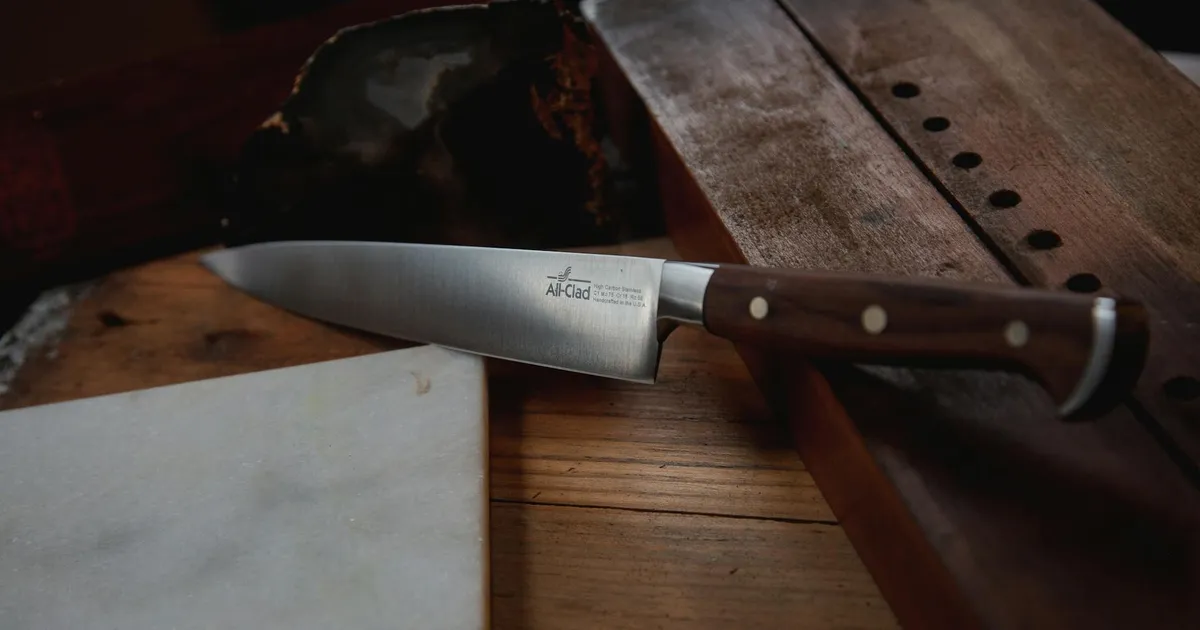
How to Clean a Kitchen Knife Set: A Step-by-Step Guide
Learn how to clean a kitchen knife set with this guide. Proper cleaning extends knife life and ensures safety in your kitchen.

This guide details the steps for how to clean a kitchen knife set effectively. Proper knife care ensures sharper blades, safer handling, and extends the lifespan of your cooking tools, even for budget-friendly options.
What You’ll Need
- Mild dish soap
- Soft sponge or dishcloth
- Clean, dry towel
- Warm running water
Step 1: Rinse Immediately After Use
Rinse the knife under warm water directly after each use. This prevents food particles from drying and sticking to the blade, making subsequent cleaning easier. Allowing debris to dry on the blade increases cleaning difficulty.
Step 2: Wash with Mild Soap and Sponge
Apply a few drops of mild dish soap to a soft sponge or dishcloth. Clean the knife with the blade pointed away from your body for safety. Scrub both sides of the blade and the handle to remove any remaining food or grease.
Step 3: Clean Along the Spine
Focus your cleaning efforts along the spine of the blade, not the sharp edge. This technique reduces the risk of accidental cuts during the washing process. Ensure all surfaces are thoroughly scrubbed.
Step 4: Soak Stubborn Food
If food remains stuck, soak the knife in warm, soapy water for one to two minutes. For very stubborn, dried-on food, a 15-minute soak can loosen particles. Avoid prolonged soaking, especially for wooden-handled knives.
Step 5: Rinse All Soap Off
Rinse the knife completely under warm running water until all soap residue is gone. Soap left on the blade can cause dullness or leave streaks. A thorough rinse ensures a clean finish.
Step 6: Dry Immediately
Dry the knife with a clean, dry towel immediately after rinsing. Air-drying can lead to water spots and rust, particularly on high-carbon steel blades. Prompt drying prevents moisture-related damage.
Step 7: Store Safely
Store your clean, dry knives in a knife block, magnetic strip, or knife roll. Proper storage protects the blade’s edge and prevents accidental injury. Consider a Best Knife Set For Home Cooks with a block for organized storage.
Tips and Best Practices
- Never put kitchen knives in a dishwasher; harsh detergents and high temperatures damage blades and handles.
- Clean knives individually to prevent blades from knocking against each other, which can dull edges.
- Sharpen knives regularly; a sharp knife is safer than a dull one. Consider a Best Chef Knife For Beginners for easier maintenance.
- Use a cutting board made of wood or plastic; glass or ceramic boards dull blades quickly.
- Apply a thin layer of mineral oil to carbon steel blades after drying to prevent rust.
Common Mistakes
- Dishwasher Use: Dishwashers cause blades to dull, handles to warp, and can lead to rust.
- Air Drying: Leaving knives to air dry promotes rust and water spots on the blade surface.
- Soaking for Too Long: Extended soaking, especially for knives with wooden handles, can cause the handle to crack or swell.
- Cleaning Against the Edge: Cleaning directly on the sharp edge increases the risk of cuts.
FAQ
Q: How often should I clean my kitchen knives? Clean your kitchen knives immediately after each use to prevent food from drying and sticking, ensuring optimal hygiene and blade condition.
Q: Can I use abrasive scrubbers on my knives? No, avoid abrasive scrubbers as they can scratch the blade’s surface and remove protective coatings. Use a soft sponge or cloth instead.
Q: Is it safe to put my knives in the sink with other dishes? No, placing knives in a sink full of other dishes creates a hidden hazard and can damage the blade. Wash knives separately and dry them right away.
Q: What type of soap is best for cleaning knives? Mild dish soap is best for cleaning knives. Harsh detergents can strip protective oils or damage certain blade finishes.
- knife
- knife-sets