How to Clean a Non-Stick Pan: A Simple Guide for Longevity
Learn how to clean non stick pan effectively with this guide, ensuring your cookware lasts for years by following simple steps.

Intro
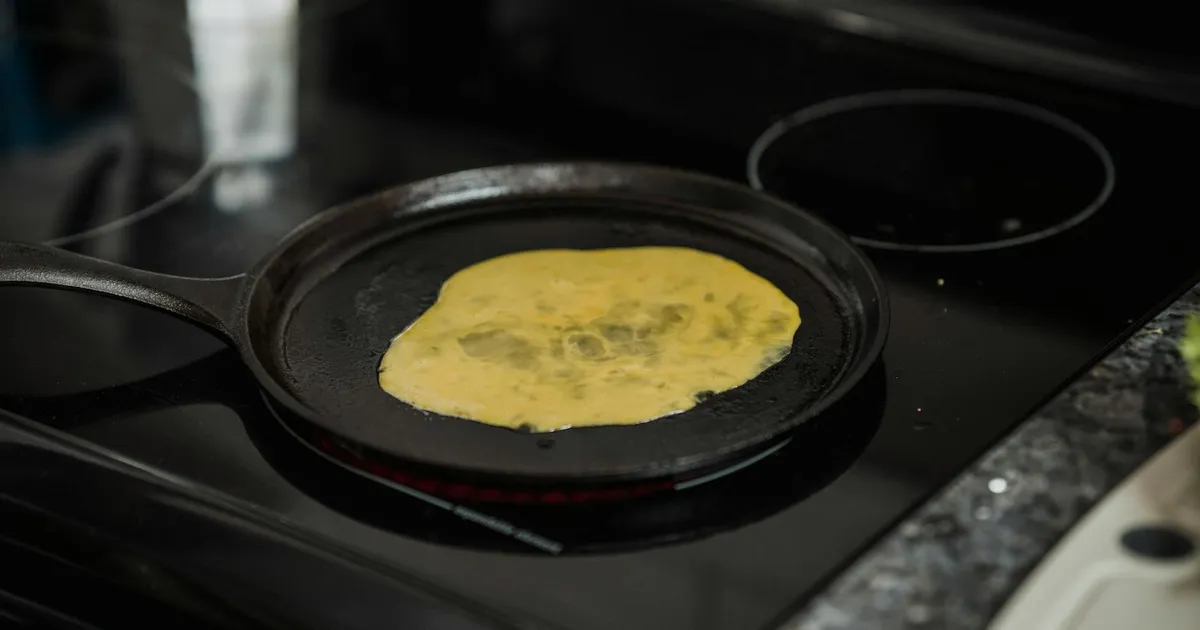
This guide details the proper method for cleaning non-stick pans, ensuring their durability and performance. Following these steps helps maintain the non-stick coating for extended use. Many cooks choose non-stick pans for their ease of use, like the Best Non Stick Pan For Eggs.
What You’ll Need
- Mild dish detergent
- Soft sponge or dishcloth
- Warm water
- Baking soda (for stubborn grime)
- Clean towel
Step 1: Allow the Pan to Cool
Let your non-stick pan cool completely after cooking before attempting to clean it. Plunging a hot pan into cold water can cause the pan to warp, damaging its structure. This cooling period prevents thermal shock to the pan’s material.
Step 2: Apply Mild Detergent
Spray the entire surface of the cooled pan with a mild dish detergent. Ensure the detergent covers any food residue or grease. A small amount, about one teaspoon, is usually sufficient.
Step 3: Gently Scrub the Surface
Use a soft sponge or dishcloth to gently scrub the pan’s interior and exterior. Avoid using abrasive scrubbers or steel wool, as these can scratch and damage the non-stick coating. Gentle circular motions effectively remove most food particles.
Step 4: Rinse Thoroughly
Rinse the pan thoroughly with warm water until all soap residue is gone. Ensure no suds remain on the cooking surface or edges. Complete rinsing prevents soap buildup, which can affect future cooking.
Step 5: Dry the Pan Completely
Air dry the pan or wipe it immediately with a clean, soft towel. Storing a wet pan can lead to moisture buildup, potentially causing damage or odors. A completely dry pan is ready for storage.
Step 6: Remove Stubborn Grime with Baking Soda
For cooked-on grime, mix equal parts water and baking soda to form a paste. Apply this paste to the affected areas and let it sit for 15-20 minutes. Gently scrub with a soft sponge, then rinse and dry as usual.
Tips and Best Practices
- Always wash non-stick pans by hand; dishwashers can degrade the coating over time.
- Use silicone, wooden, or plastic utensils to prevent scratching the non-stick surface.
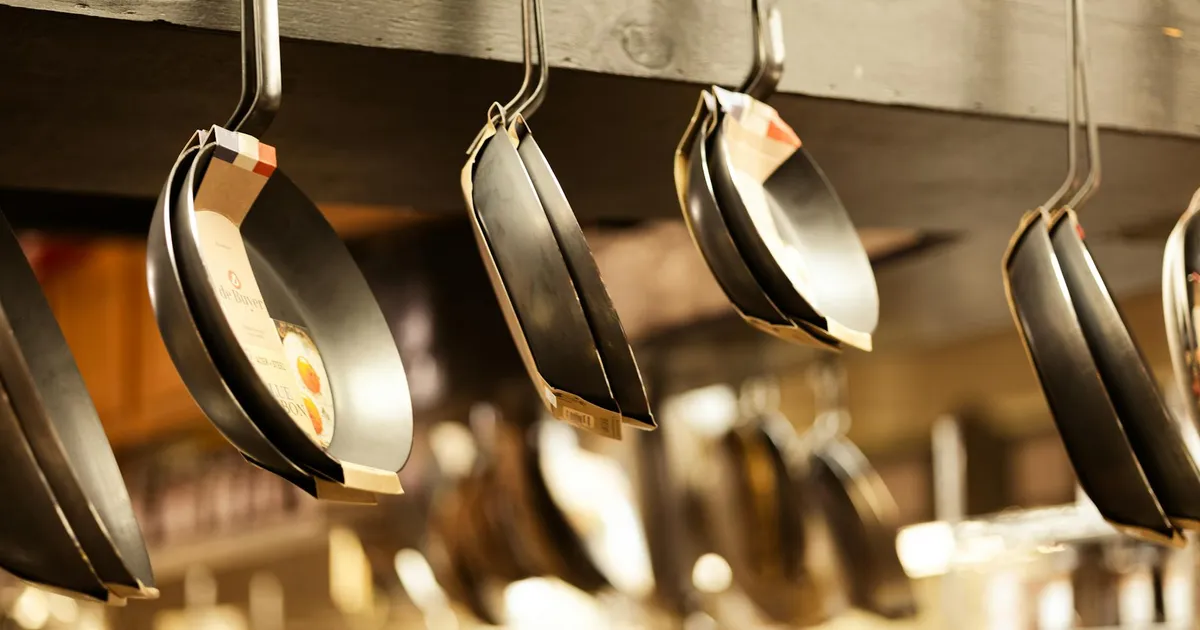
- Store pans with protectors between them to avoid scratches during stacking.
- Avoid cooking at excessively high temperatures, generally above 300°F (149°C), which can shorten the pan’s lifespan.
- Season your pan periodically by heating two tablespoons of vegetable oil with three tablespoons of salt over medium heat for 15 minutes, then wiping clean.
Common Mistakes
- Using Metal Utensils: Metal can scratch and ruin the non-stick coating.
- Washing in the Dishwasher: Even “dishwasher-safe” non-stick pans benefit from handwashing to preserve their coating.
- Using Abrasive Cleaners: Harsh scrubbers damage the delicate non-stick surface.
- Plunging Hot Pan into Cold Water: This temperature shock causes warping.
FAQ
Q: How often should I clean my non-stick pan? Clean your non-stick pan after every use to prevent food buildup and maintain its non-stick properties. Regular cleaning extends the pan’s life.
Q: Can I use oil to clean my non-stick pan? Yes, heating two tablespoons of vegetable oil with three tablespoons of salt over medium heat for about 15 minutes can help remove stubborn residue. After cooling, wipe the pan clean.
Q: What if my non-stick pan has burnt food stuck to it? Create a paste with equal parts baking soda and water, apply it to the burnt area, and let it sit for 15 to 30 minutes. Gently scrub with a soft sponge, then rinse thoroughly.
Q: Is it safe to soak a non-stick pan? Soaking a non-stick pan in warm, soapy water for 15-20 minutes is safe and can help loosen stuck-on food. Avoid prolonged soaking, especially if the pan has exposed metal.
Q: How do I prevent my non-stick pan from losing its coating? Avoid high heat, use soft utensils, and wash by hand with mild soap and a soft sponge. Proper care, as outlined in this guide, preserves the non-stick coating.
- non
- non-stick-pans