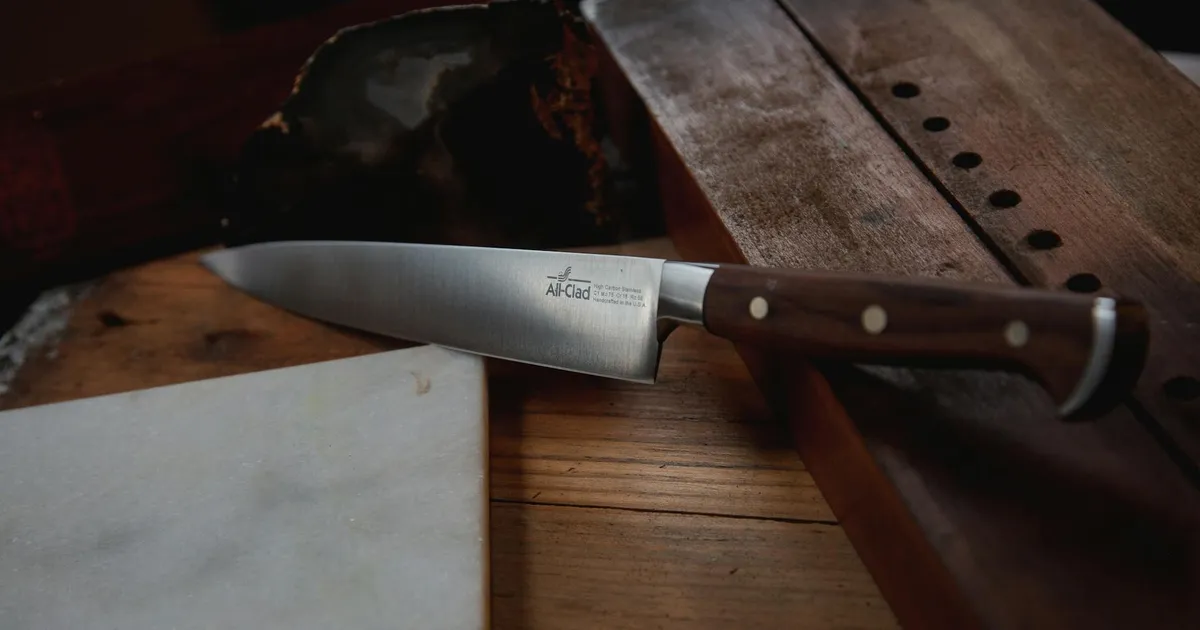
How to Store a Chef Knife Safely and Efficiently
Learn how to store a chef knife properly with five effective methods, ensuring safety and prolonging blade life. This guide covers magnetic strips, knife blocks, and more.

Intro
Properly storing your chef knife extends its lifespan and keeps your kitchen safe. This guide details five effective methods for secure knife storage, preventing damage and accidents.
What You’ll Need
- Magnetic knife strip
- Wooden knife block
- In-drawer knife tray
- Blade guards
- Knife roll or case
Step 1: Utilize a Magnetic Strip
Install a magnetic strip on an empty wall space above your prep area. This method offers immediate access and keeps blades visible, preventing them from dulling against other utensils. Ensure the strip is mounted securely, at least 18 inches above the counter.
Step 2: Use a Knife Block
Place your chef knife in a dedicated knife block on your countertop. Knife blocks provide specific slots for each blade, protecting edges from damage and keeping knives organized. Choose a block with slots that fit your specific What Size Chef Knife Do I Need.
Step 3: Employ In-Drawer Storage
Store your chef knife in an in-drawer knife tray for a clutter-free counter. These trays keep blades separated and secure within a drawer, preventing accidental cuts and protecting edges from contact with other kitchen tools. Measure your drawer dimensions before purchasing a tray.
Step 4: Apply Blade Guards
Cover your chef knife with a blade guard when storing it in a drawer or knife roll. Blade guards, made of plastic or felt, protect the sharp edge from dulling and prevent injuries when handling the knife. Always slide the guard on carefully, away from your body.
Step 5: Store in a Knife Roll or Case
Transport or store your chef knife in a knife roll or case for maximum protection. Professional chefs often use knife rolls for travel, ensuring blades remain secure and sharp. Each knife typically has its own fabric or leather slot, preventing movement and damage.
Tips and Best Practices
- Clean and dry your chef knife thoroughly before storing it to prevent rust and bacterial growth.
- Store knives separately; never toss them loosely into a drawer with other utensils.
- Consider the frequency of use; daily-use knives benefit from easily accessible storage like magnetic strips.
- Inspect your storage solution regularly for wear and tear, replacing it if it no longer secures your knives properly.
- For optimal blade health, avoid storing knives in damp environments.
Common Mistakes
- Storing wet knives: Moisture leads to rust and can damage the blade over time.
- Leaving knives loose in a drawer: This dulls the blade and creates a safety hazard.
- Using a dull knife block: Worn-out knife block slots can scratch or damage blades.
- Storing knives near heat sources: Extreme temperature changes can affect blade integrity.
FAQ
Q: How often should I clean my knife storage? A: Clean your knife storage, such as knife blocks or magnetic strips, monthly with a damp cloth to remove dust and food particles. For knife rolls, follow manufacturer cleaning instructions, typically every few months or as needed.
Q: Can I store a chef knife in its original packaging? A: Storing a chef knife in its original packaging is not recommended for long-term use, as cardboard can retain moisture and dull the blade over time. Use dedicated storage solutions for better protection and accessibility.
Q: Does storing a knife on a magnetic strip affect its sharpness? A: No, storing a knife on a magnetic strip does not affect its sharpness. The magnetic force holds the blade securely without dulling the edge, provided the strip is clean and the knife is placed carefully.
- knife-sets
- knife