How to Store a Rice Cooker for Optimal Performance and Longevity
Learn how to store a rice cooker properly to ensure safety, maintain its condition, and extend its lifespan. This guide covers cleaning, placement, and organization.
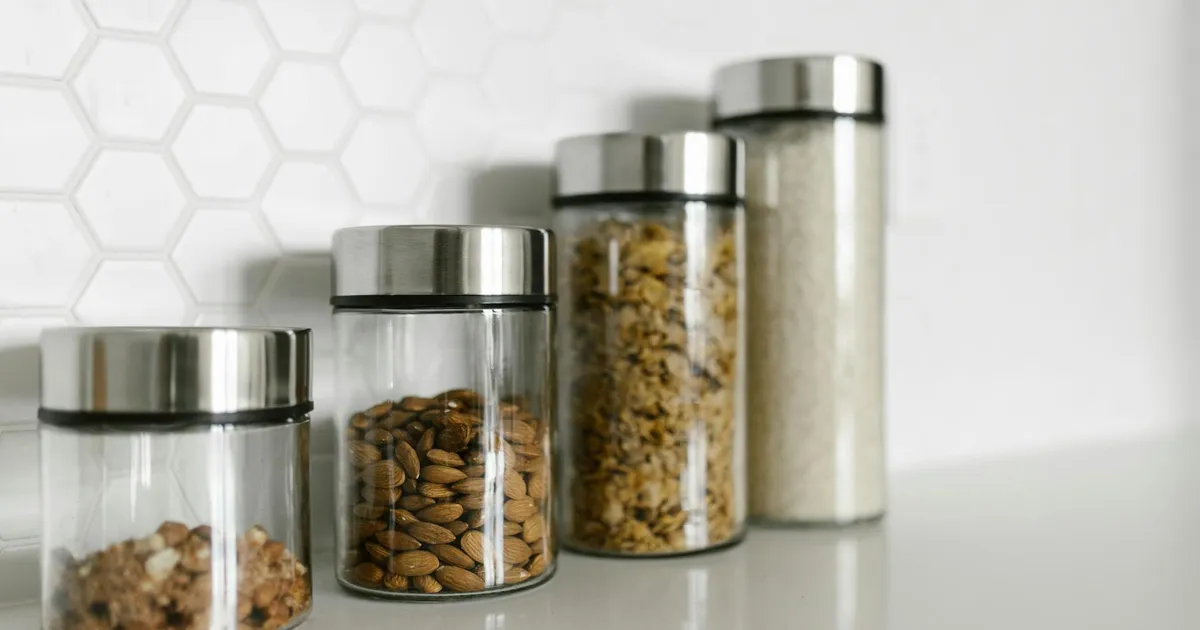
This guide provides instructions on how to store a rice cooker, ensuring the appliance remains in good condition and performs optimally for years. Proper storage prevents malfunctions and keeps your kitchen organized.
What You’ll Need
- Soft cloth or sponge
- Mild dish soap
- Warm water
- Dry towel
- Airtight container (optional, for small parts)
Step 1: Unplug and Cool Down
Unplug the rice cooker from its power source immediately after use. Allow the appliance to cool completely for at least 30 minutes before cleaning or moving it. This prevents burns and damage to internal components.
Step 2: Disassemble and Clean Components
Remove the inner pot, lid, and any detachable accessories like the steam vent or measuring cup. Wash these parts with warm water and mild dish soap, then rinse thoroughly. Ensure all food residue is removed to prevent odors and bacterial growth.
Step 3: Wipe Down the Main Unit
Use a damp, soft cloth to wipe the exterior and interior of the main rice cooker unit. Pay attention to any spills or splatters around the heating plate. Avoid submerging the main unit in water, as this can damage electrical parts and cause the Japanese Rice Cooker Not Working issue.
Step 4: Dry All Parts Thoroughly
Dry every component completely with a clean, dry towel. Moisture left on parts can lead to mildew, rust, or electrical issues over time. Allow components to air dry for an additional 15-30 minutes before reassembly or storage.
Step 5: Reassemble or Store Separately
Reassemble the clean, dry inner pot and lid onto the main unit if storing it in a single piece. Alternatively, store the inner pot and accessories separately in a designated drawer or an airtight container to protect them. This helps prevent scratches and loss of small items.
Step 6: Choose a Suitable Storage Location
Select a cool, dry place away from direct sunlight and extreme temperatures. A kitchen cabinet, pantry shelf, or dedicated appliance cupboard works well. Ensure the area is free from pests and excessive humidity to prolong the rice cooker’s lifespan.
Tips and Best Practices
- Keep the original packaging for long-term storage, as it offers the best protection.
- Store the power cord neatly coiled to prevent tangles and damage.
- Place the rice cooker on a stable, flat surface, leaving at least 8 inches of clearance from walls or other appliances during use.
- Consider the size of your rice cooker; a small rice cooker might fit in more compact spaces.
- Regularly check the storage area for dust or moisture, especially if storing for extended periods.
Common Mistakes
- Storing the rice cooker with food residue inside, which can attract pests and cause odors.
- Placing the appliance in a humid environment, leading to rust or mold.
- Stacking heavy objects on top of the rice cooker, potentially damaging its lid or housing.
- Storing the power cord haphazardly, causing kinks or fraying.
FAQ
Q: How do I prevent bad smells in my stored rice cooker? A: Thoroughly clean and dry all parts before storage to prevent food residue and moisture from creating odors.
Q: Can I store my rice cooker in the garage? A: Avoid storing your rice cooker in a garage due to potential temperature fluctuations, humidity, and dust, which can damage the appliance.
Q: Is it okay to store the inner pot inside the main unit? A: Yes, storing the clean, dry inner pot inside the main unit is acceptable and saves space, provided both are completely dry.
Q: How often should I clean my rice cooker before storage? A: Clean your rice cooker after every use, especially before storing it, to maintain hygiene and functionality.
- rice
- rice-cookers