How to Use a Chef Knife: A Beginner's Guide to Safe Cutting
Learn how to use a chef knife safely and efficiently with this step-by-step guide, covering grip, cutting techniques, and common mistakes.

Intro
This guide teaches you how to use a chef knife with proper technique and safety. Mastering a chef knife makes kitchen prep faster and safer for home cooks.
What You’ll Need
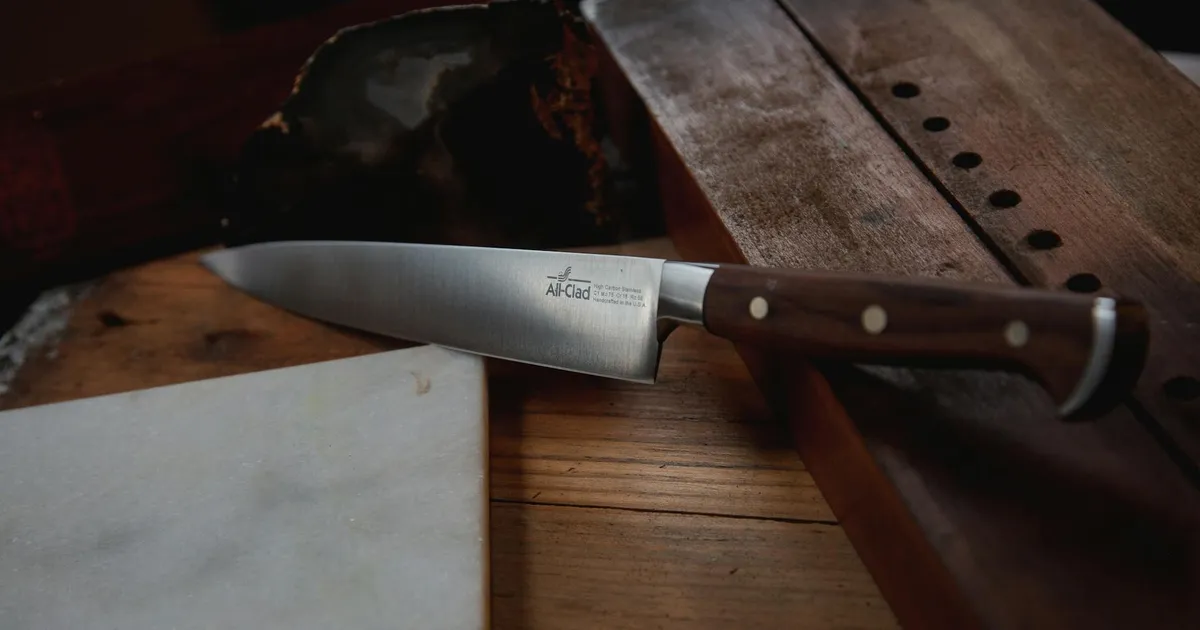
- Chef knife (an 8-inch model is common for general tasks)
- Cutting board (wood or plastic)
- Food item (e.g., onion, carrot)
- Damp cloth (to stabilize the cutting board)
Step 1: Secure Your Cutting Board
Place a damp cloth or paper towel under your cutting board. This prevents the board from slipping during use, reducing accident risk.
Step 2: Master the Proper Grip
Hold the chef knife with a “pinch grip” for maximum control. Pinch the blade near the bolster with your thumb and forefinger, wrapping your remaining fingers around the handle. This grip provides stability and prevents hand fatigue during extended use.
Step 3: Form the “Claw” Hand
Curl the fingertips of your non-dominant hand inward, creating a claw shape. Rest your knuckles against the flat side of the knife blade. This protects your fingertips from the blade while guiding the food.
Step 4: Practice the Rocking Motion
Use a smooth rocking motion for most cutting tasks. The tip of the 8-inch blade remains on the cutting board, while the heel lifts and lowers. This technique allows for efficient slicing and dicing without lifting the entire blade.
Step 5: Slice with Control
Apply gentle downward pressure as you push the knife forward through the food. Pull the knife back to complete the cut. Focus on consistent, controlled movements rather than speed, especially when starting.
Step 6: Maintain a Sharp Blade
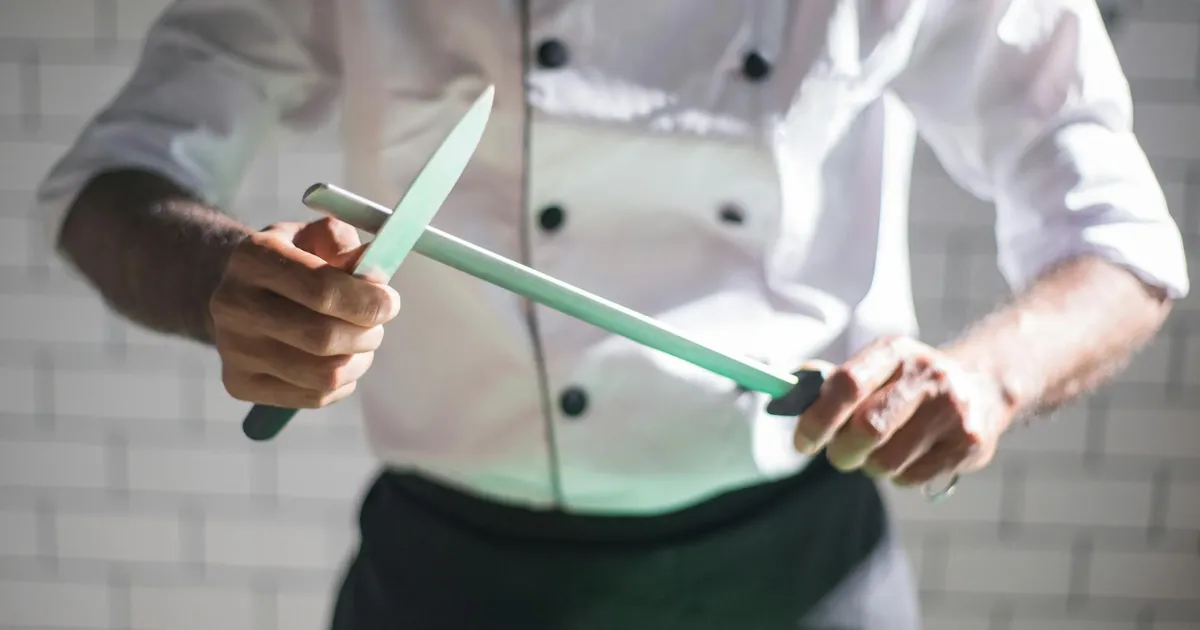
A sharp knife is safer than a dull one, requiring less force to cut. Regularly hone your blade with a sharpening steel to maintain its edge. Consider professional sharpening every few months depending on usage.
Tips and Best Practices
- Always cut away from your body.
- Keep your fingers curled in the “claw” position at all times.
- Clean your knife immediately after use to prevent food residue from drying.
- Store your knife safely in a block or magnetic strip to protect the blade and prevent accidents.
- Consider a chef knife for beginners if you are new to cooking.
Common Mistakes
- Holding the knife incorrectly: Gripping only the handle reduces control and increases slip risk.
- Cutting too fast: Rushing leads to imprecise cuts and potential injuries.
- Using a dull knife: A dull blade requires more force, making it prone to slipping.
- Not stabilizing the cutting board: A moving board can cause the knife to slip unexpectedly.
FAQ
Q: What is the best size chef knife for home cooks? An 8-inch chef knife is generally considered the most versatile size for home cooks, suitable for a wide range of tasks from chopping vegetables to slicing meat.
Q: How do I know if my chef knife is sharp enough? A sharp chef knife should slice through a ripe tomato with minimal effort and no tearing. If it struggles, it needs sharpening.
Q: Can I use a chef knife for all types of food? A chef knife is highly versatile, but specialized tasks like deboning poultry or precise peeling may benefit from other knives, such as a boning knife or paring knife.
Q: How often should I sharpen my chef knife? Hone your chef knife with a sharpening steel before or after every few uses. Sharpening (grinding new edge) depends on usage, but every 3-6 months is a good general guideline for home cooks.
- knife
- knife-sets