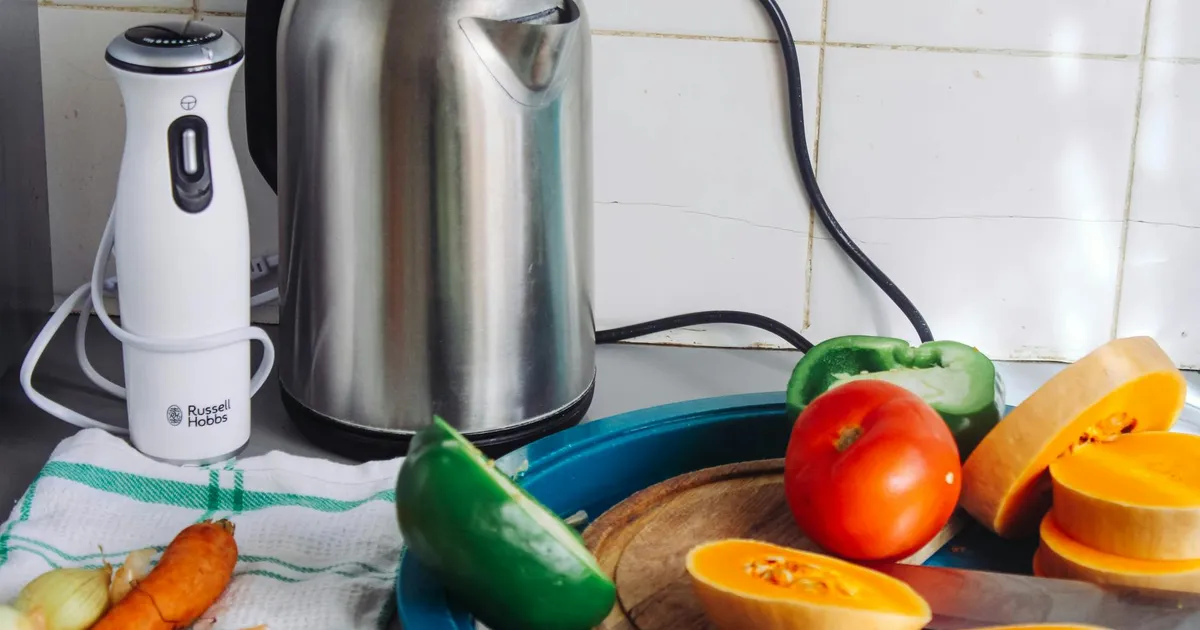
How to Use an Immersion Blender Safely and Effectively
Learn how to use an immersion blender safely and effectively with this step-by-step guide. Master techniques for smooth soups and sauces.

Intro
This guide explains how to use an immersion blender for smooth results in various recipes. Following these steps ensures safe and efficient blending of ingredients.
What You’ll Need
- Immersion blender (Best Immersion Blender For Under $50)
- Tall, narrow container or pot
- Ingredients for blending (e.g., soup, sauce, smoothie)
- Spatula or spoon for scraping
Step 1: Assemble the Blender
Attach the blending shaft to the motor body. Many models feature a spring-loaded catch that clicks into place, while others may screw on securely. Ensure all components are firmly connected before proceeding.
Step 2: Plug in the Power Cord
Connect the immersion blender’s power cord to an electrical outlet. Choose an outlet positioned away from your immediate work area to prevent accidental cord entanglement. Keep the cord clear of hot surfaces or liquids.
Step 3: Submerge the Blending Head
Insert the blending attachment completely into your mixture. The blades must be fully submerged to prevent splashing and ensure even blending. This also helps create a vortex for efficient processing, especially for items like baby food.
Step 4: Activate and Blend
Press the power button or switch to activate the blender. Many immersion blenders offer a single speed, while others provide variable speed control. Move the blender up and down slowly, and in circular motions, to process all ingredients evenly. For thick mixtures, blend for 30-50 seconds.
Step 5: Unplug After Blending
Immediately unplug the immersion blender from the electrical outlet once blending is complete. This prevents accidental activation and ensures safety during cleaning. Never handle the blades while the blender is plugged in.
Tips and Best Practices
- Use a tall, narrow container to minimize splashing and contain ingredients effectively.
- Start blending at a low speed, if available, to prevent liquids from splattering.
- Tilt the container slightly to create a deeper pool for the blending head.
- For hot liquids like soup, allow them to cool slightly before blending to reduce steam pressure.
- Process ingredients in batches if your container is too full, preventing overflow.
Common Mistakes
- Not fully submerging the blades: This leads to splashing and uneven blending.
- Blending in a wide, shallow bowl: This increases splatter and makes blending less efficient.
- Overfilling the container: An overfilled container can cause spills and mess.
- Leaving the blender plugged in during cleaning: This creates a significant safety hazard.
FAQ
Q: Can I use an immersion blender for ice? Yes, some powerful immersion blenders can crush small amounts of ice, but a dedicated blender for ice or personal blender for ice is often more effective. Check your model’s specifications.
Q: How do I clean an immersion blender? Unplug the blender, then detach the blending shaft. Wash the shaft with warm, soapy water immediately after use, and wipe the motor body with a damp cloth.
Q: What recipes are best for an immersion blender? Immersion blenders excel at making smooth soups, sauces, purees, and even protein shakes directly in the cooking pot or serving container. They are also excellent for baby food.
Q: Can I use an immersion blender in a non-stick pot? Exercise caution when using an immersion blender in non-stick pots to avoid scratching the surface. Use gentle movements and avoid scraping the bottom or sides.
- blenders