How to Use a Kitchen Knife Set Safely and Effectively
Learn how to use a kitchen knife set with this guide covering proper grip, cutting techniques, and maintenance for safety and efficiency.

Intro
This guide explains how to use a kitchen knife set safely and effectively for various cooking tasks. Mastering basic knife techniques enhances kitchen efficiency and reduces injury risk.
What You’ll Need
- Kitchen Knife Set: A standard set includes a chef’s knife, paring knife, and serrated knife. Consider a Best Knife Set For Home Cooks for general use.
- Cutting Board: Wood or plastic boards are ideal.
- Honing Steel or Whetstone: For maintaining blade sharpness.
Step 1: Identify Knife Types
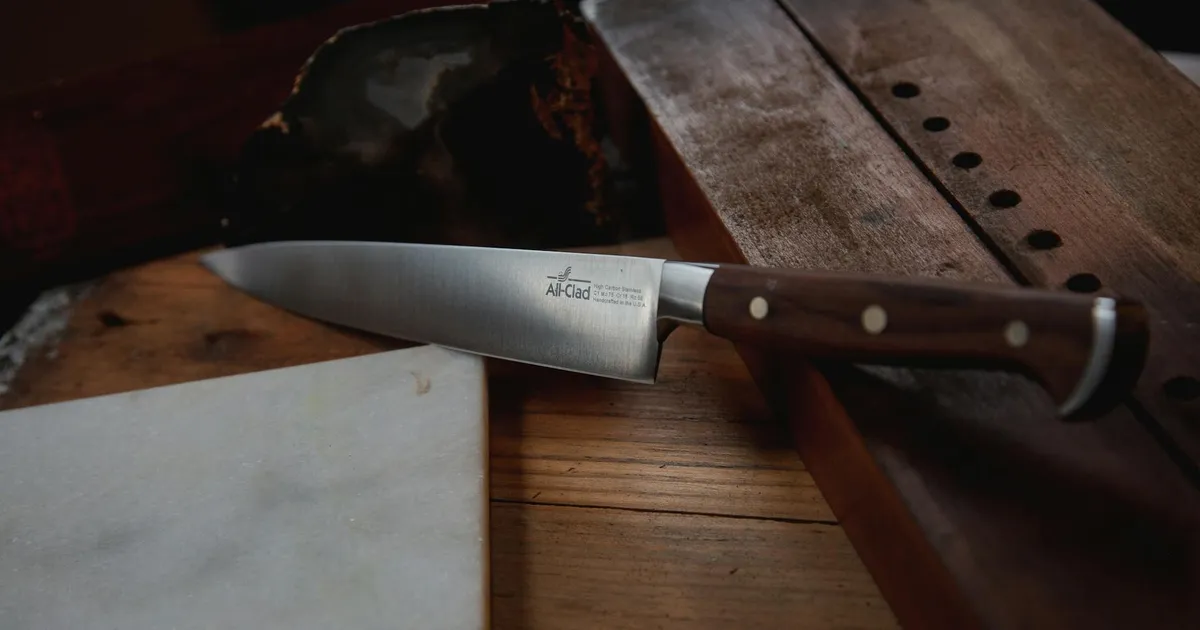
Familiarize yourself with the specific knives in your set. A chef’s knife, typically 5 to 10 inches (12.7 to 25.4 cm) long, handles most chopping tasks. A paring knife, usually 2 to 4 inches (5.1 to 10.2 cm), is for detailed work. A serrated knife cuts bread and tomatoes without crushing.
Step 2: Hold the Knife Correctly
Grip the knife handle firmly with your dominant hand. Wrap your index finger and thumb around the blade’s base, near the handle, for control. Your remaining three fingers should curl around the handle.
Step 3: Master Basic Cutting Techniques
Use a smooth, rocking motion with a chef’s knife for chopping vegetables. For delicate tasks with a paring knife, employ gentle slicing. Practice the “claw” grip with your non-dominant hand, curling fingers inward to protect fingertips while guiding food.
Step 4: Prepare Food for Cutting
Create a stable, flat surface on round or oblong produce by “topping and tailing” them. This prevents rolling and increases safety during cutting. For example, slice off both ends of an onion before halving it.
Step 5: Use a Suitable Cutting Surface
Always cut on a wooden or plastic cutting board. Avoid hard surfaces like glass, stone, or metal, which dull blades quickly. A stable surface prevents slips and accidents.
Step 6: Maintain Knife Sharpness
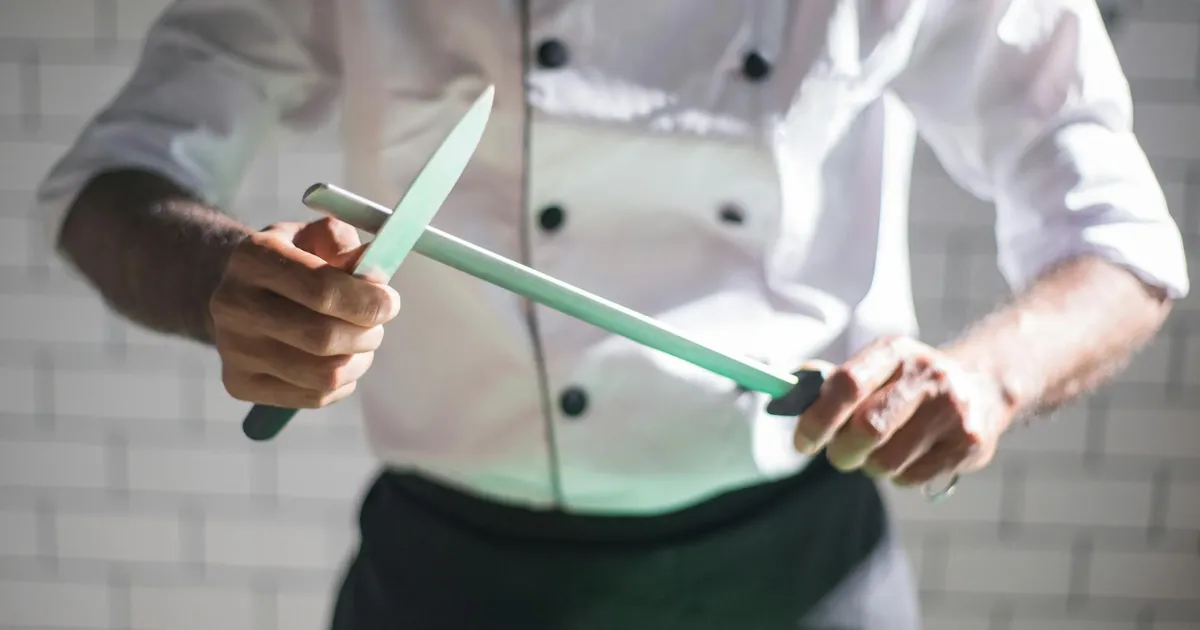
Regularly sharpen your knives using a honing steel or whetstone. A sharp knife requires less force, making it safer and more efficient. Aim for a 20-degree angle when sharpening most kitchen knives.
Tips and Best Practices
- Clean knives immediately after use to prevent food from drying onto the blade.
- Store knives in a block, magnetic strip, or sheath to protect edges and prevent accidental cuts.
- Match the knife to the task; use a Best Chef Knife For Meat Cutting for larger cuts of meat.
- Keep your non-dominant hand’s fingers curled into a “claw” shape to protect them while guiding food.
- Always cut away from your body, maintaining a safe distance from your non-cutting hand.
Common Mistakes
- Using a Dull Knife: Dull knives require more pressure, increasing the risk of slipping and injury.
- Cutting on Unstable Surfaces: Cutting on a wobbly board or directly on a countertop can lead to accidents.
- Improper Grip: Holding the knife only by the handle without securing the blade base reduces control.
- Ignoring Knife Types: Using a paring knife for heavy chopping or a chef’s knife for delicate peeling is inefficient and unsafe.
FAQ
Q: How do I choose the right knife set for my needs? Consider the set’s size, the types of knives included, and the brand. A good starter set often includes a chef’s knife, paring knife, and serrated knife.
Q: What is the best way to store knives? Store knives in a knife block, on a magnetic strip, or in individual blade guards to protect the edges and prevent accidents. This keeps them organized and safe.
Q: How often should I sharpen my kitchen knives? Sharpen your knives regularly, depending on usage; a honing steel can be used before each use, while a whetstone might be needed every few months for a true edge. A sharp knife is safer and more effective.
Q: Can I put my kitchen knives in the dishwasher? Avoid putting kitchen knives in the dishwasher, as harsh detergents and high heat can dull blades and damage handles. Hand-wash knives with warm, soapy water and dry them immediately.
- knife
- knife-sets