How to Use a Knife Set Safely and Effectively
Learn how to use a knife set with proper grip, cutting techniques, and maintenance for safe and efficient food preparation.

Intro
This guide details the correct methods for using a knife set, ensuring safety and efficiency in your kitchen. Proper knife usage reduces the risk of injury and improves food preparation results.
What You’ll Need
- Knife set (e.g., a Best Knife Set For Home Cooks)
- Cutting board (wood or plastic recommended)
- Honing steel or whetstone
- Damp cloth
Step 1: Understand Knife Types
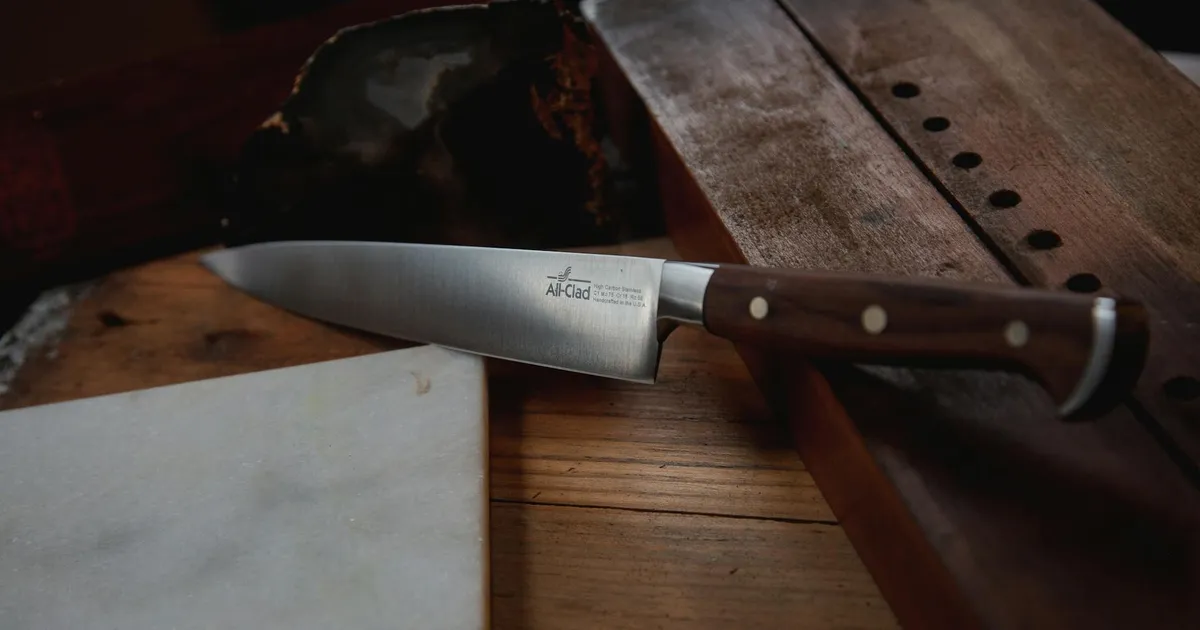
Identify the specific purpose of each knife in your set. A chef’s knife, typically 15-25 cm (6-10 inches) long, handles most chopping tasks. Paring knives, usually 5-10 cm (2-4 inches), are for detailed work. Serrated knives slice bread or tomatoes without crushing.
Step 2: Grip the Knife Correctly
Hold the knife handle as if shaking hands with it. Your thumb and index finger should grip the blade’s base, while the other three fingers wrap around the handle. This “chef’s grip” provides control and balance.
Step 3: Master Basic Chopping
Use a rocking motion with a chef’s knife for efficient chopping. Keep the knife’s tip on the cutting board while lifting and lowering the heel. For smaller cuts, use a gentle slicing motion.
Step 4: Guide Food Safely
Form your non-dominant hand into a “claw” shape, curling your fingertips inward. Rest your knuckles against the blade’s flat side to guide the food. This protects your fingertips from the sharp edge.
Step 5: Prepare Produce for Cutting
Create a stable, flat surface on rounded or oblong produce. For example, slice a small section off a potato or onion to prevent it from rolling. This simple step significantly reduces cutting hazards.
Step 6: Dice Uniformly
Dice vegetables into smaller, more uniform pieces, typically 0.6 cm (1/4 inch) cubes. First, chop the vegetable into bite-sized chunks, then refine these into precise dice. Uniform pieces cook evenly.
Step 7: Maintain Knife Sharpness
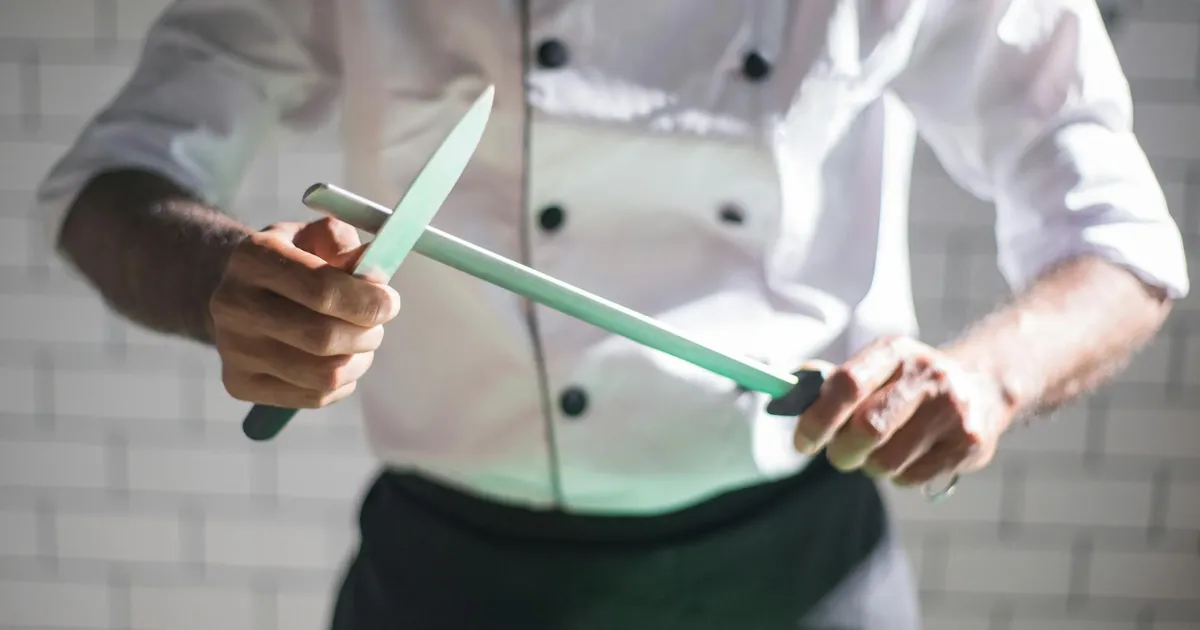
Regularly sharpen your knives with a honing steel or whetstone. A sharp knife is safer because it requires less force to cut, reducing the chance of slippage. Sharpening every few uses maintains the blade’s edge.
Tips and Best Practices
- Always use a cutting board made of wood or plastic; avoid glass or stone.
- Keep a damp cloth under your cutting board to prevent it from sliding.
- Clean knives immediately after use to prevent food from drying on the blade.
- Store knives in a block, magnetic strip, or sheath to protect their edges and prevent accidents.
- Consider a Best Chef Knife For Beginners for easier initial learning.
Common Mistakes
- Cutting on hard surfaces: This dulls the blade quickly and can damage the knife.
- Using a dull knife: Dull knives are more dangerous than sharp ones due to increased slippage.
- Improper grip: Holding the knife solely by the handle reduces control and increases fatigue.
- Ignoring knife types: Using the wrong knife for a task can damage the knife or food.
FAQ
Q: How often should I sharpen my knives? A: Sharpen your knives every few uses with a honing steel to maintain the edge; a whetstone is for more significant sharpening, perhaps every few months, depending on usage.
Q: What is the best cutting board material? A: Wood or plastic cutting boards are best as they are gentle on knife blades and easy to clean.
Q: Can I put my knives in the dishwasher? A: Hand-wash your knives immediately after use with warm, soapy water and dry them thoroughly to prevent rust and maintain blade integrity. Dishwashers can damage knife handles and dull blades.
- knife
- knife-sets