How to Use a Meat Thermometer for Safe and Perfectly Cooked Food
Learn how to use a meat thermometer for accurate temperature readings, ensuring food safety and ideal doneness. This guide covers proper insertion and reading techniques.

Intro
This guide explains how to use a meat thermometer correctly, ensuring your food reaches safe internal temperatures and achieves desired doneness. Proper use prevents foodborne illness and improves cooking results.
What You’ll Need
- Meat Thermometer (digital instant-read or leave-in probe)
- Cooked Meat, Poultry, or Fish
Step 1: Select the Right Thermometer Type
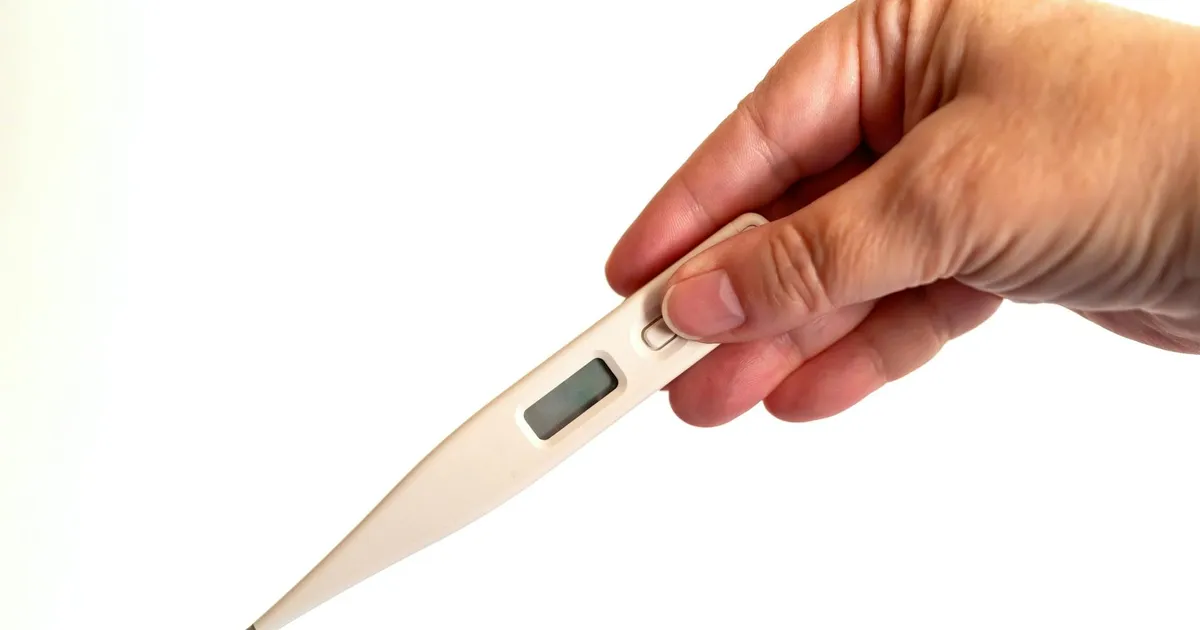
Choose an instant-read thermometer for quick checks during cooking or a leave-in probe thermometer for continuous monitoring in an oven or grill. Instant-read models provide a reading in 2-5 seconds, while leave-in probes track temperature over longer periods.
Step 2: Insert the Probe Correctly
Insert the thermometer probe into the thickest part of the meat, avoiding bone, fat, or gristle. Bone conducts heat faster than meat, leading to inaccurate readings. For roasts, aim for the thermal center, which is often the geometric center.
Step 3: Monitor the Temperature Reading
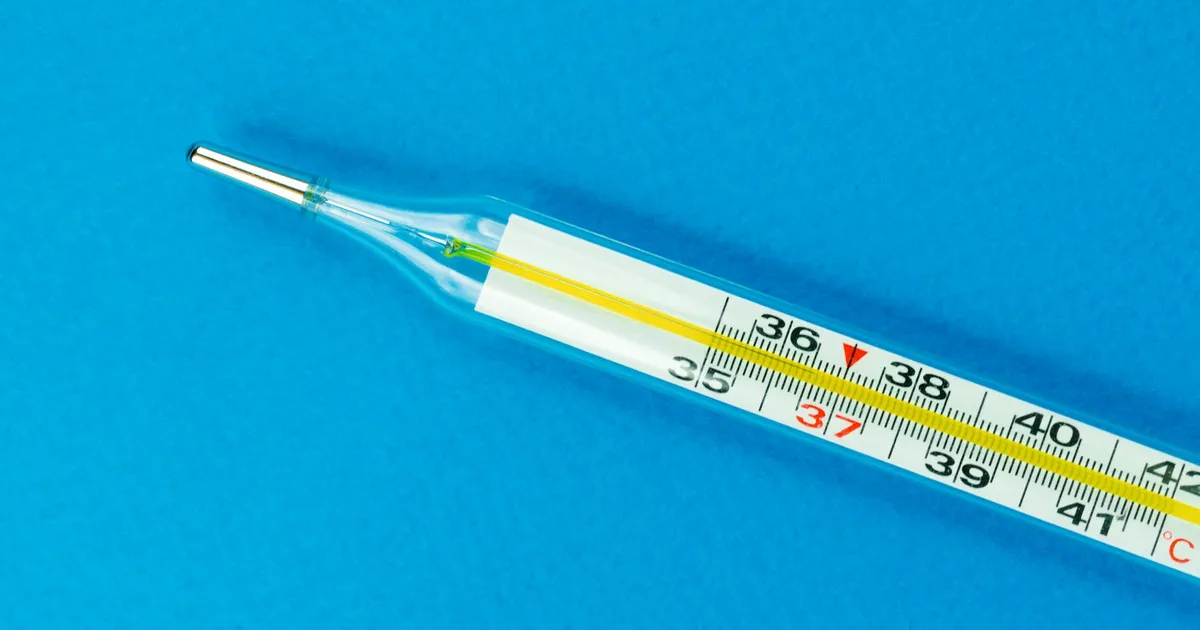
For instant-read thermometers, insert the probe about 2 inches deep and wait for the display to stabilize, typically within 2-30 seconds. For leave-in probes, the display continuously updates. If using a dial thermometer, wait at least 20 seconds for an accurate reading.
Step 4: Find the Lowest Temperature
Slowly pull the probe back out from the meat while watching the display. The lowest number observed during this withdrawal indicates the true internal temperature of the coolest part of the food. This “pull-back” method helps locate the thermal center.
Step 5: Compare to Safe Temperatures
Refer to USDA guidelines for safe minimum internal temperatures. For example, poultry should reach 165°F (74°C), ground meat 160°F (71°C), and whole cuts of beef, pork, veal, and lamb 145°F (63°C) with a 3-minute rest time.
Step 6: Remove from Heat and Rest
Remove the meat from the heat source when it reaches the desired temperature. Many meats benefit from a resting period of 5-10 minutes, allowing juices to redistribute and the temperature to rise an additional 5-10 degrees Fahrenheit (3-6°C) through carryover cooking.
Tips and Best Practices
- Calibrate your thermometer regularly by placing it in ice water (32°F/0°C) or boiling water (212°F/100°C at sea level).
- Clean the probe thoroughly with hot, soapy water after each use to prevent cross-contamination.
- Check multiple spots in larger cuts of meat to ensure even cooking and accurate readings.
- Use a waterproof digital thermometer for deep-fried foods, removing the food from the oil before probing.
- Consider a wireless meat thermometer for grilling or smoking, allowing remote monitoring.
Common Mistakes
- Probing too close to bone: Bone heats faster than meat, giving an artificially high reading.
- Not waiting for stabilization: Instant-read thermometers need a few seconds to display an accurate temperature.
- Checking only one spot: Larger cuts require multiple temperature checks to ensure full doneness.
- Stabbing from the top down without pulling back: This can miss the coolest part of the meat.
FAQ
Q: How deep should I insert a meat thermometer? Insert the probe at least 2 inches into the thickest part of the meat, ensuring the tip reaches the thermal center without touching bone.
Q: Can I leave a meat thermometer in while cooking? Yes, some thermometers, like oven-safe probe thermometers, are designed to be left in the meat during cooking. Instant-read thermometers are not designed for this.
Q: How do I know if my meat thermometer is accurate? Test accuracy by placing the probe in a glass of ice water; it should read 32°F (0°C). If it’s off by more than 2 degrees, recalibrate or replace it.
Q: What is carryover cooking? Carryover cooking is the process where meat continues to cook after being removed from the heat source, with its internal temperature rising by several degrees over 5-10 minutes.
- meat-thermometers
- meat