How to Use a Non-Stick Frying Pan: A Complete Guide
Learn how to use a non-stick frying pan effectively for cooking delicate foods like eggs and fish. This guide covers first-time preparation, cooking tips, and care for optimal performance.

Intro
This guide provides instructions on how to use a non-stick frying pan, ensuring optimal performance and longevity. Proper usage extends the lifespan of your cookware, which typically lasts three to five years.
What You’ll Need
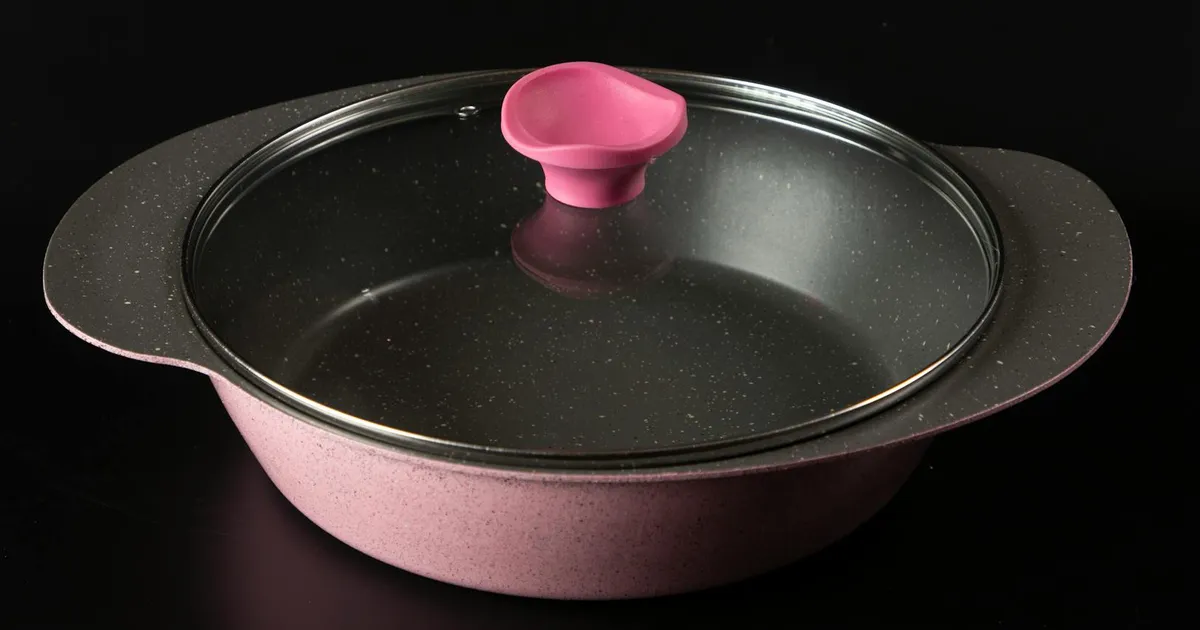
- Non-stick frying pan (Best Non Stick Pan For Beginners)
- Warm, soapy water
- Soft sponge or cloth
- Clean towel
- Cooking oil (vegetable, canola, or grapeseed)
- Spatula (silicone or wood)
Step 1: Clean the Pan
Wash your new non-stick pan with warm, soapy water using a soft sponge. This removes any manufacturing residues from the interior and exterior surfaces. Rinse the pan thoroughly under running water.
Step 2: Dry Completely
Dry the pan completely with a clean towel after washing. Ensure no moisture remains on the surface, as this can affect initial seasoning or cooking. Inspect the pan for any scratches or dents before proceeding.
Step 3: Season the Pan (If Required)
Apply a thin layer of cooking oil, such as vegetable or canola oil, to the pan’s interior surface with a paper towel. Heat the pan over low to medium heat for 1-2 minutes until the oil shimmers slightly. Remove from heat and let it cool completely before wiping out excess oil.
Step 4: Preheat Properly
Preheat your non-stick pan over medium-low heat for 1-2 minutes before adding food. This allows for even heat distribution, preventing hot spots that can damage the coating. Do not exceed 204°C (400°F), as higher temperatures can degrade the non-stick surface.
Step 5: Add Food and Cook
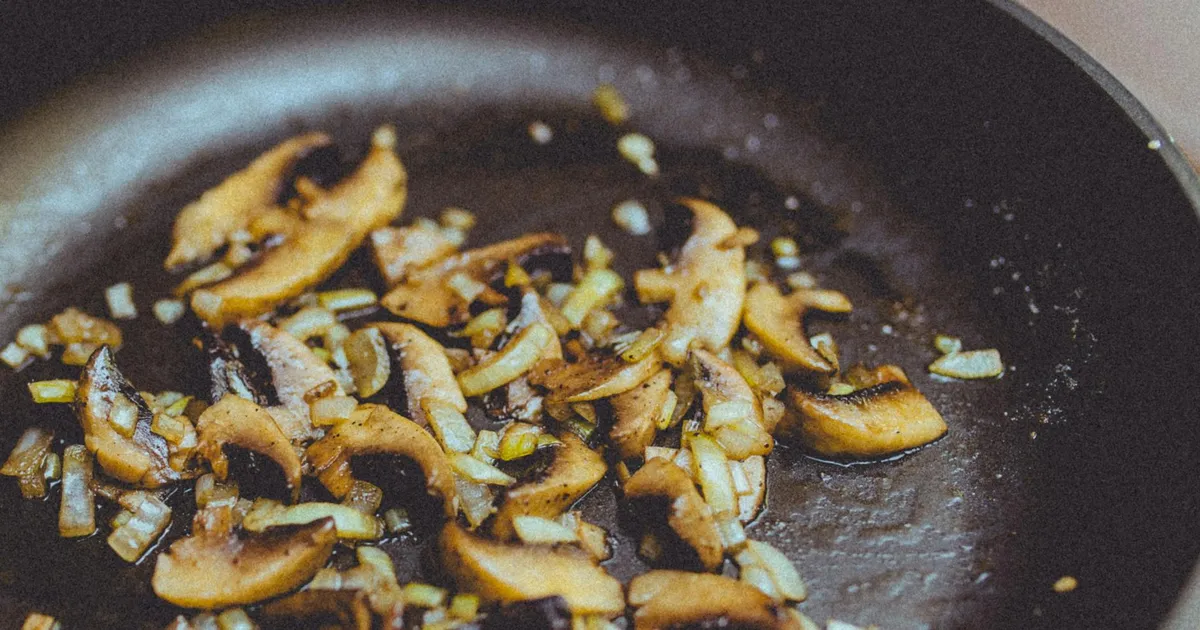
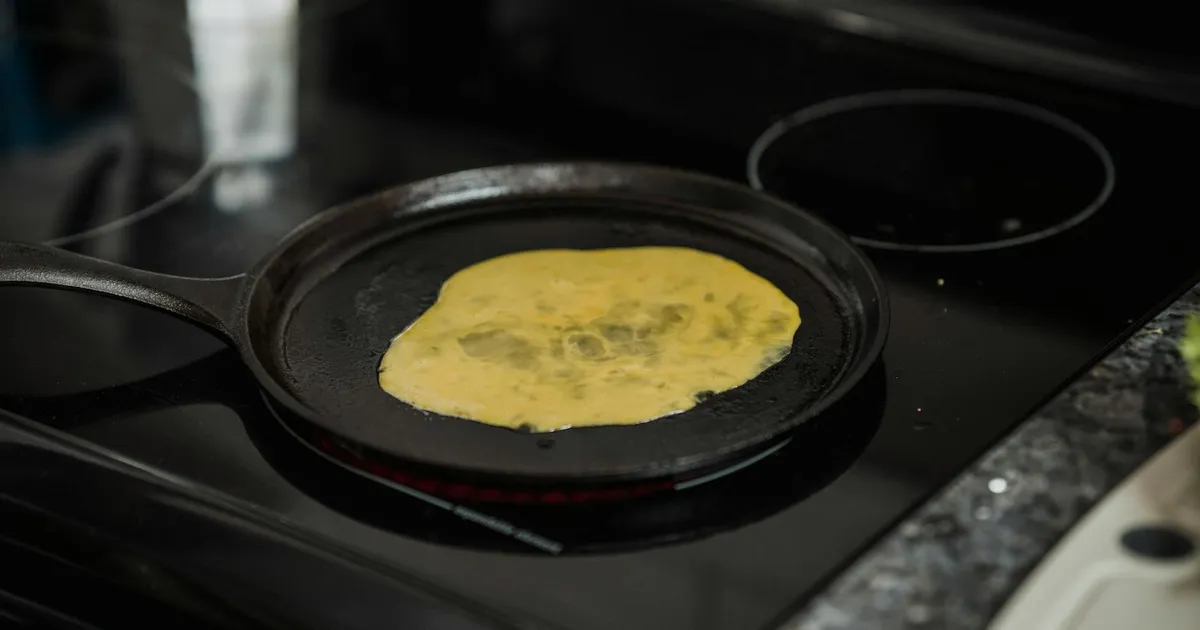
Add a small amount of oil or butter to the preheated pan before introducing your ingredients. Non-stick pans excel at cooking delicate foods like eggs, pancakes, or fish without sticking. Use a silicone or wooden spatula to avoid scratching the surface. Professional cooks often use non-stick pans for these specific tasks.
Step 6: Clean After Use
Allow the pan to cool completely before washing it with warm, soapy water and a soft sponge. Avoid plunging a hot pan into cold water, as this can cause warping. Dry the pan thoroughly before storing.
Tips and Best Practices
- Use low to medium heat settings; high heat can damage the non-stick coating over time.
- Always use silicone, wooden, or plastic utensils to protect the surface from scratches.
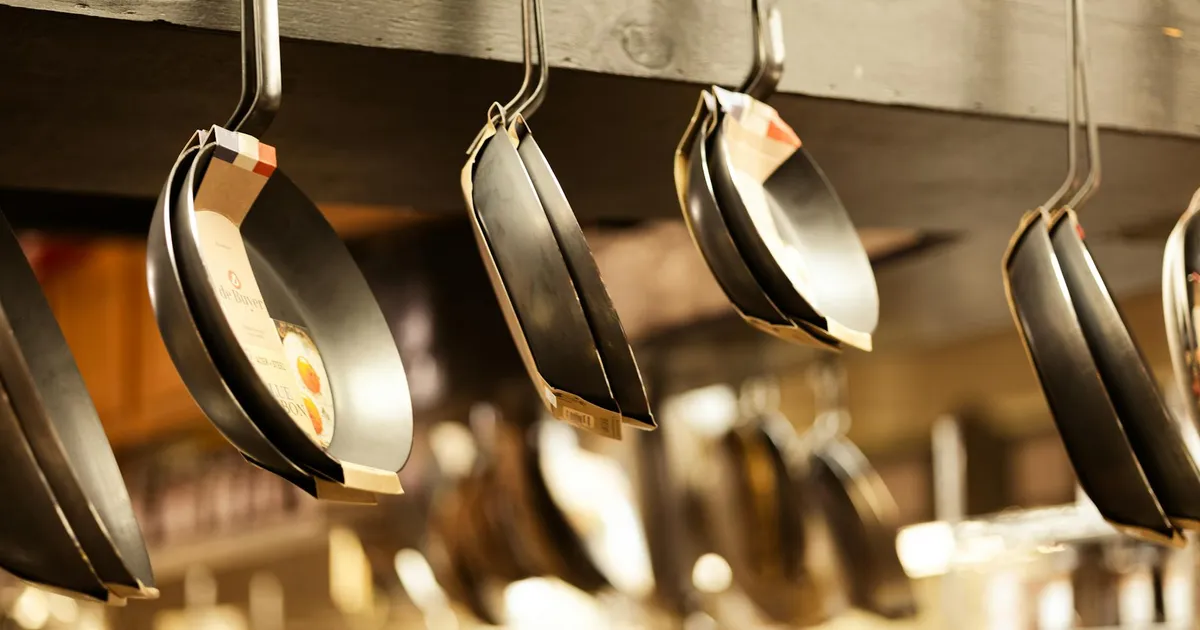
- Store pans carefully, placing a soft cloth between stacked pans to prevent abrasion.
- Consider a Best Non Stick Frying Pan For Eggs for perfectly cooked breakfast items.
- For gas stoves, ensure the flame does not extend beyond the pan’s base to prevent handle damage.
Common Mistakes
- Using metal utensils that scratch and degrade the non-stick coating.
- Overheating the pan, which can release fumes and shorten its lifespan.
- Washing a hot pan with cold water, leading to potential warping.
- Using abrasive cleaners or scouring pads that damage the non-stick surface.
FAQ
Q: Do I need to season all non-stick pans? Not all non-stick pans require seasoning, but a light oil application can improve initial performance and extend the coating’s life. Always check the manufacturer’s instructions for specific guidance.
Q: Can I put my non-stick pan in the dishwasher? Most manufacturers recommend hand washing non-stick pans to preserve the coating, even if they are labeled “dishwasher safe.” Dishwasher detergents can be harsh and reduce the pan’s lifespan.
Q: What kind of oil should I use with a non-stick pan? Use oils with a high smoke point, such as vegetable, canola, or grapeseed oil, in small amounts. Avoid aerosol cooking sprays, which can leave a residue that degrades the non-stick surface over time.
Q: How long do non-stick pans typically last? With proper care, a non-stick pan generally lasts three to five years. Regular cleaning and avoiding high heat contribute to its longevity.
- non
- non-stick-pans