How to Use a Non-Stick Pan: A Complete Guide
Learn how to use a non-stick pan effectively for cooking delicate foods like eggs and fish. This guide covers initial preparation, cooking techniques, and care tips for optimal performance.

Intro
This guide details the proper steps for using a non-stick pan, from initial preparation to daily cooking. Following these instructions extends pan lifespan and ensures optimal cooking results for delicate foods.
What You’ll Need
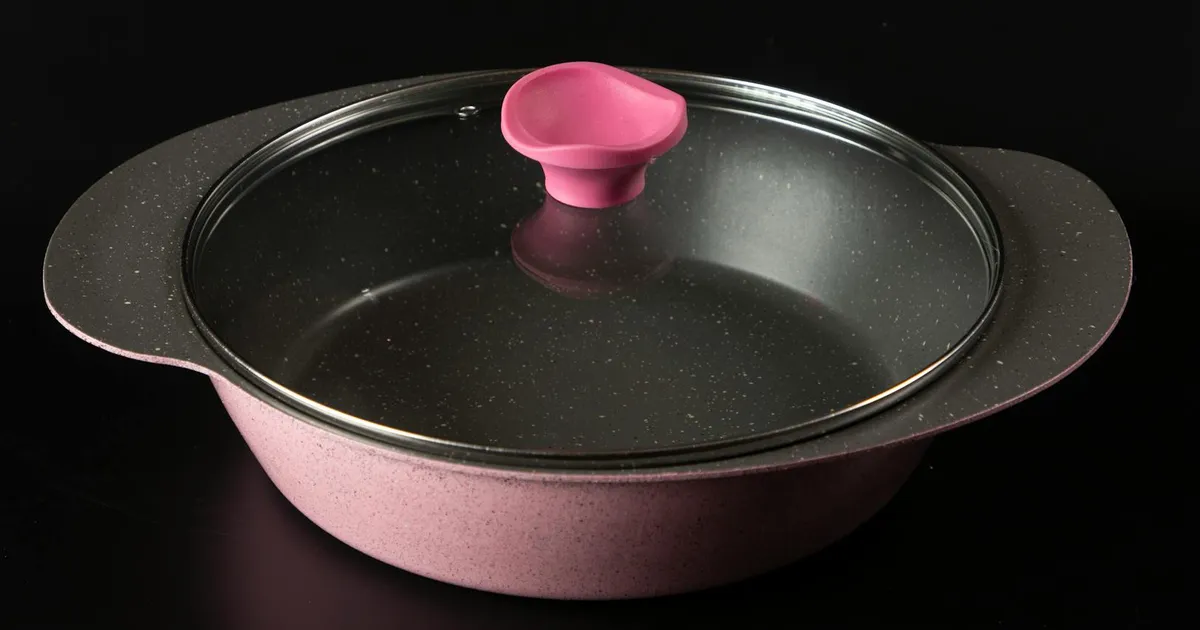
- Non-stick pan (e.g., Best Non Stick Pan For Beginners)
- Warm water
- Mild dish soap
- Soft sponge or cloth
- Clean towel
- Cooking oil (e.g., vegetable, canola, grapeseed)
- Spatula (silicone or wood)
Step 1: Wash the Pan
Wash your new non-stick pan with warm, soapy water before its first use. Use a soft sponge or cloth to gently clean both the interior and exterior surfaces. This removes any manufacturing residues.
Step 2: Dry Thoroughly
Completely dry the pan with a clean towel or cloth after washing. Ensure no moisture remains on the surface, as this prevents proper seasoning and can affect cooking.
Step 3: Season the Pan (Optional)
Seasoning prepares some non-stick pans for optimal performance. Apply a thin layer of cooking oil, like vegetable or canola, to the pan’s interior surface. Heat the pan over low to medium heat for 1-2 minutes, then let it cool and wipe out excess oil.
Step 4: Inspect for Damage
Examine the pan for any scratches, dents, or loose handles before cooking. Minor damage can affect non-stick performance and pan safety. Do not use a damaged pan.
Step 5: Preheat Properly
Preheat your non-stick pan over medium-low heat for 1-2 minutes before adding food. Overheating above 204°C (400°F) can damage the non-stick coating. A properly preheated pan ensures even cooking and prevents food from sticking.
Step 6: Use Minimal Oil
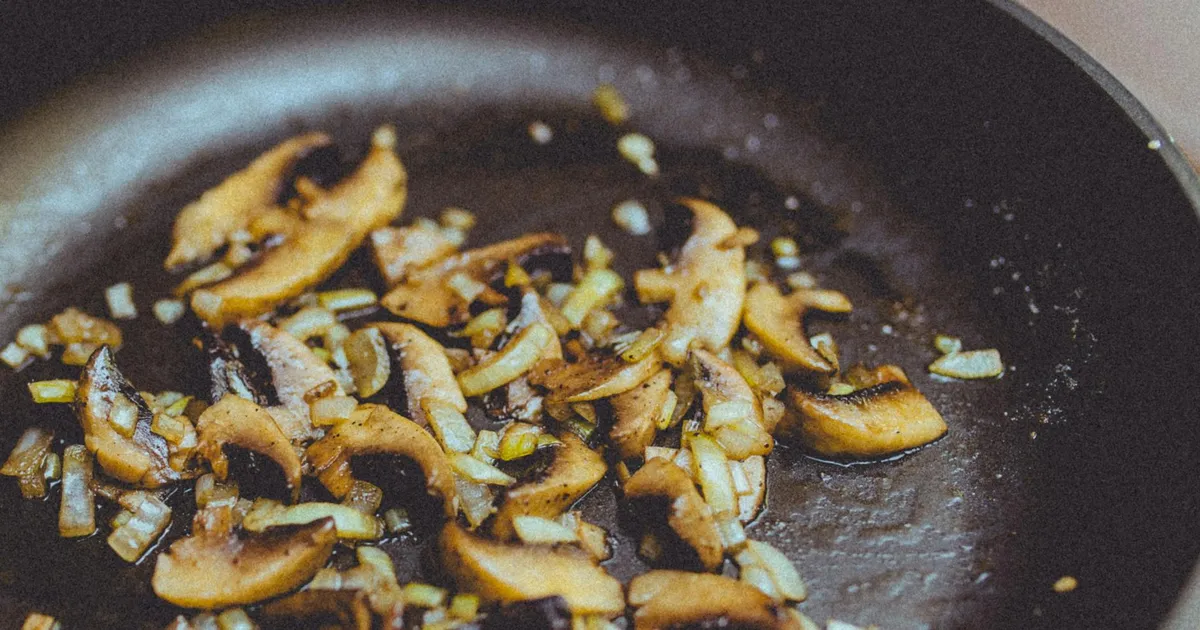
Add a small amount of cooking oil or butter to the preheated pan. Non-stick pans require less fat than traditional cookware for most recipes. This helps create a barrier between food and the cooking surface.
Step 7: Cook Delicate Foods
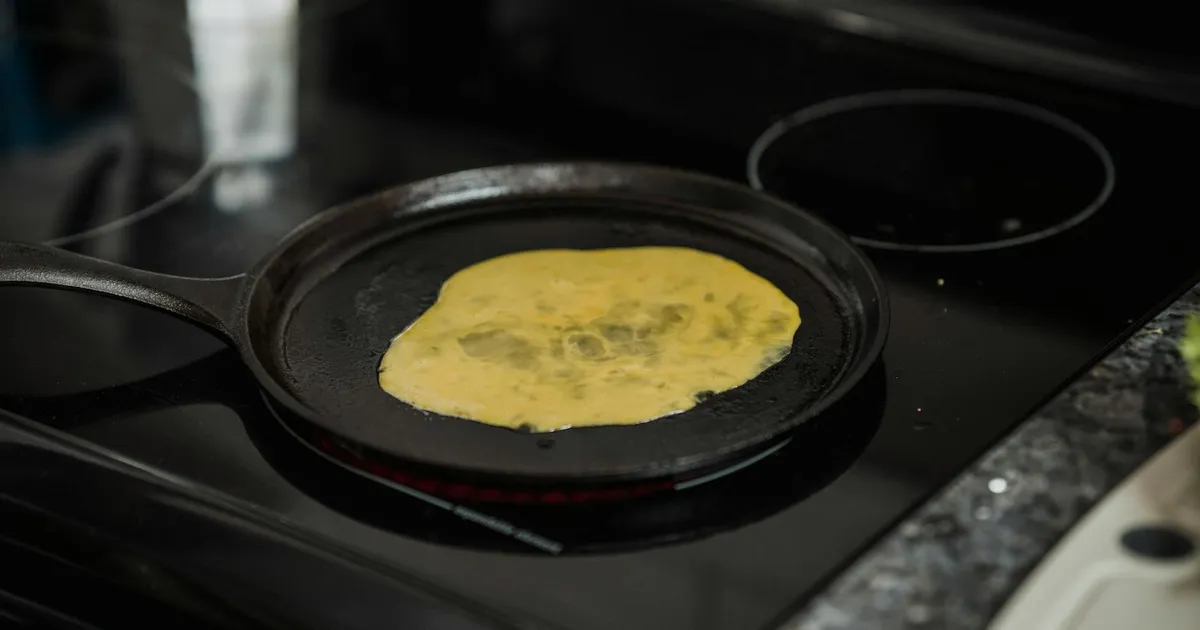
Non-stick pans excel at cooking delicate foods like eggs, fish, and pancakes. The non-stick surface allows these items to release easily without tearing. For example, use a Best Non Stick Pan For Eggs for perfect results.
Step 8: Clean Gently
Clean the pan with warm, soapy water and a soft sponge immediately after it cools. Avoid abrasive scrubbers or harsh detergents, which can scratch the non-stick coating. Hand washing extends pan life.
Tips and Best Practices
- Use silicone, wood, or plastic utensils to prevent scratching the non-stick surface.
- Avoid cooking sprays, as they can leave a residue that degrades the non-stick coating over time.
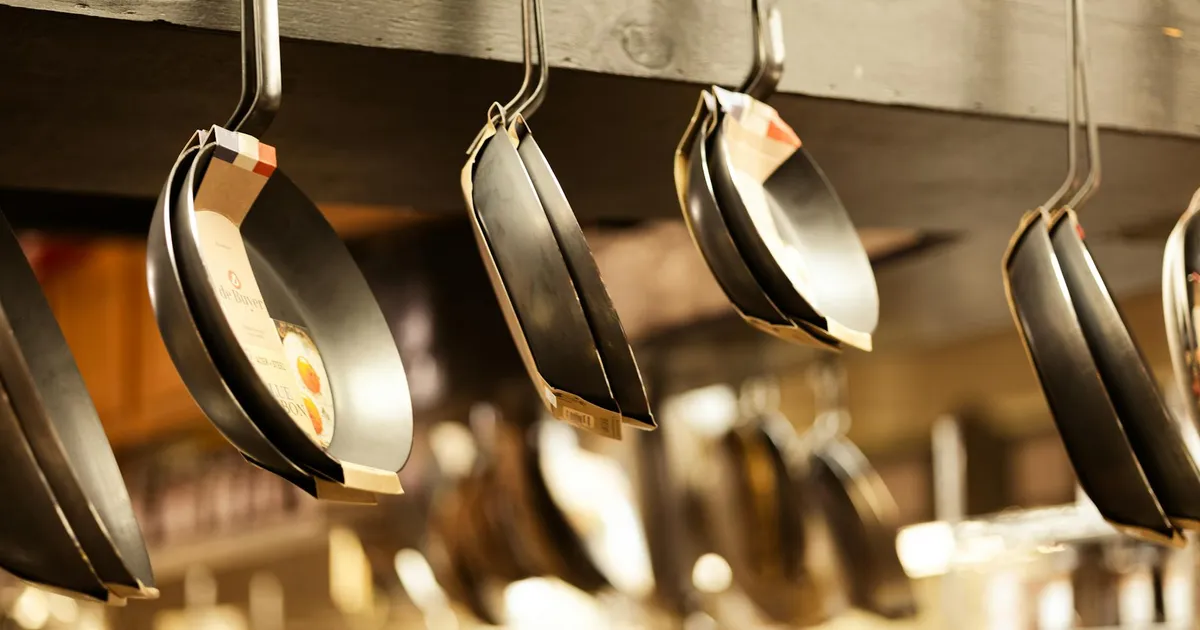
- Store pans carefully, using pan protectors or paper towels between stacked pans to prevent scratches.
- Allow the pan to cool completely before washing to prevent warping.
- Replace non-stick pans every 3-5 years for optimal performance and safety.
Common Mistakes
- Using Metal Utensils: Metal can scratch and damage the non-stick coating, rendering the pan ineffective.
- Overheating the Pan: High heat above 204°C (400°F) can break down the non-stick coating and release fumes.
- Abrasive Cleaning: Using steel wool or harsh scrubbers will scratch the surface, compromising its non-stick properties.
- Dishwasher Use: Many non-stick pans are not dishwasher safe; harsh detergents and high heat can damage the coating.
FAQ
Q: Do professional chefs use non-stick pans? Yes, professional chefs use non-stick pans for specific tasks like cooking eggs and delicate fish. They value the easy food release for precise control.
Q: Can I put my non-stick pan in the oven? Some non-stick pans are oven-safe, but always check the manufacturer’s instructions for temperature limits. Many pans are safe up to 175-200°C (350-400°F).
Q: How do I remove burnt food from a non-stick pan? Fill the pan with warm, soapy water and let it soak for 15-20 minutes. Then, gently scrub with a soft sponge to remove burnt residue.
Q: Is it safe to use a scratched non-stick pan? A scratched non-stick pan may release small flakes of coating into food, which is generally considered safe but not ideal. Replace heavily scratched pans for best results.
- non
- non-stick-pans