Is a Blender Worth It? A Comprehensive Guide
Is a blender worth it? Yes, for versatile food prep from smoothies to soups. This guide explains benefits, limitations, and who should buy one.

Intro — Is Blender Worth It
Yes, a blender is worth it for individuals seeking a versatile kitchen appliance for various food preparation tasks. It excels at creating smooth textures from solid ingredients quickly. Many models offer multiple functions beyond basic blending.
What You Get
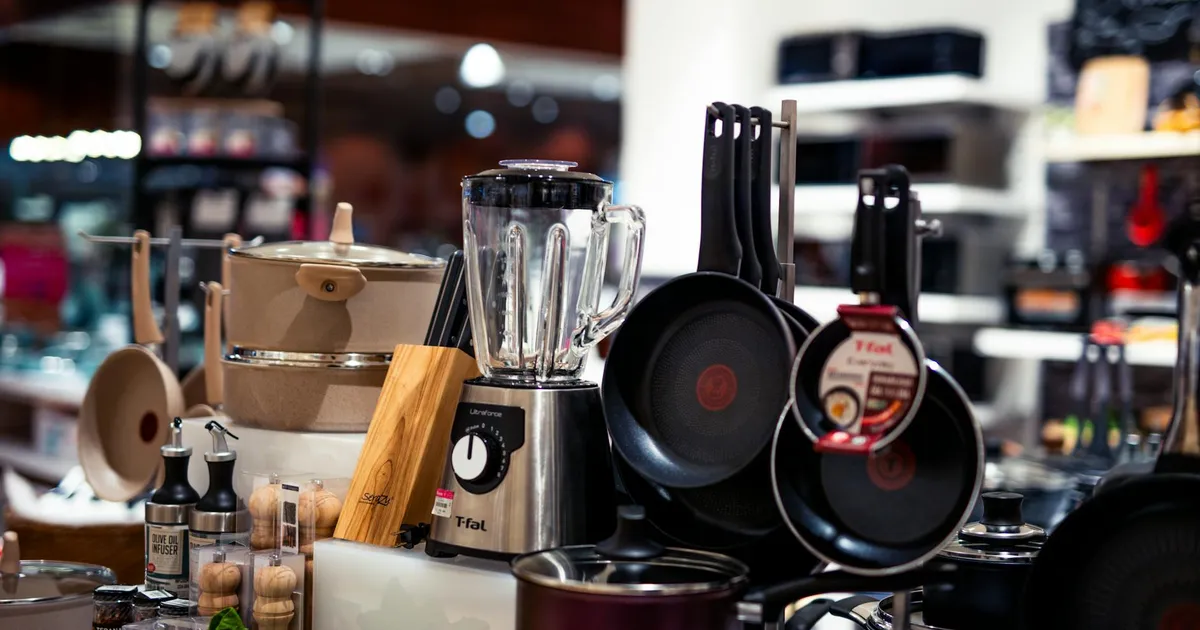
You get an appliance capable of pulverizing ice into snow, ideal for frozen drinks and smoothies. Blenders offer speed, often processing ingredients in under 60 seconds. Many models feature multiple speed settings or pre-programmed functions for specific tasks like soup or salsa. A blender allows for creating healthy homemade options, such as baby food or nut butters. Some high-powered blenders can even heat ingredients through friction, making hot soups directly in the pitcher.
What You Don’t Get
You don’t get an appliance that chops vegetables uniformly like a food processor. Blenders struggle with thick, sticky doughs or very small quantities of ingredients. Cleaning can be a chore, especially with sticky residues or if food gets trapped under the blades. A blender takes up counter or cabinet space, which can be an issue in small kitchens.
Who Should Buy
Individuals who regularly make smoothies, protein shakes, or frozen cocktails should buy a blender. Parents preparing homemade baby food will find a blender very useful. Home cooks who enjoy making their own sauces, pureed soups, or nut milks will benefit from a blender’s capabilities.
Who Should Skip
Individuals with limited kitchen space and infrequent blending needs should skip a full-sized blender. Those primarily needing to chop or slice vegetables will find a food processor more effective. People on a very tight budget might consider alternatives under $50.
Better Alternatives
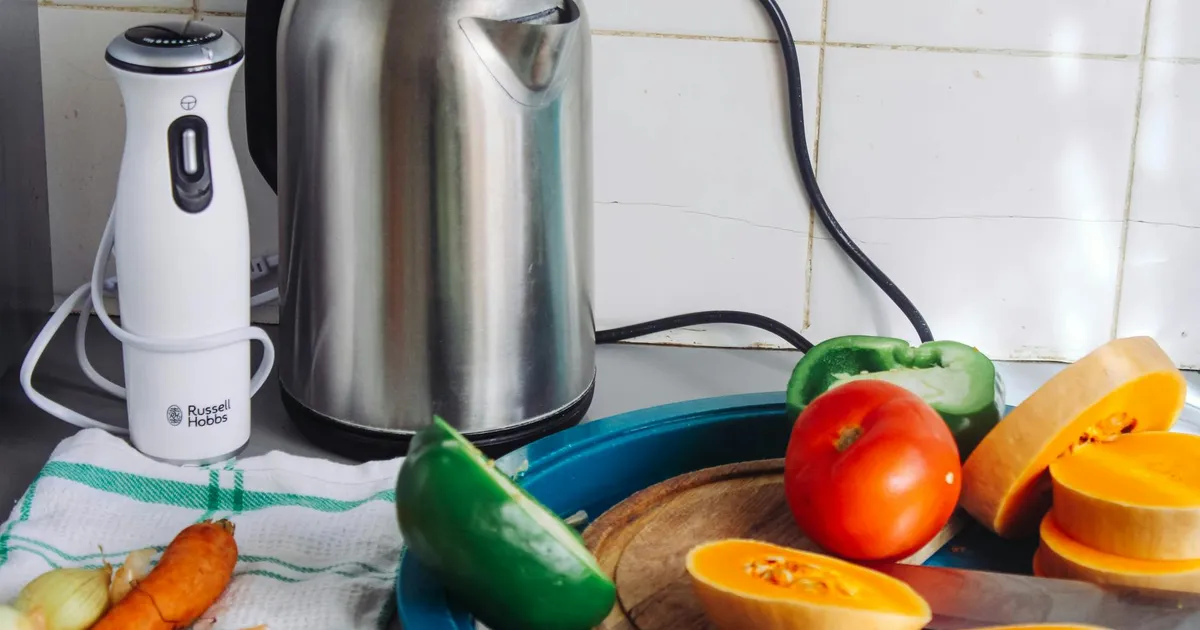
An immersion blender offers portability and direct blending in pots, ideal for soups and sauces, but lacks the power for crushing large amounts of ice. A food processor excels at chopping, slicing, and shredding, providing more control over texture than a blender for solid ingredients. A personal blender is a compact option for single-serve smoothies and shakes, but has less power and capacity than a full-sized model.
Our Recommendation
A blender is a worthwhile investment for most kitchens, offering significant versatility for daily meal preparation. Its ability to create smooth textures quickly makes it indispensable for many recipes. Consider your specific needs and budget when selecting a model.
FAQ
Q: What is the main benefit of owning a blender? The main benefit is its ability to quickly transform various ingredients into smooth liquids, purees, or crushed ice, enhancing meal preparation efficiency.
Q: Can a blender replace a food processor? No, a blender cannot fully replace a food processor; blenders excel at liquidizing while food processors are better for chopping, slicing, and shredding solid foods.
Q: Are expensive blenders significantly better than cheaper ones? More expensive blenders often offer higher wattage motors, better blade design, and more durable construction, leading to smoother results and a longer lifespan, especially for tough tasks like crushing ice.
- blenders