Why Your Non Stick Frying Pan Stops Working: Causes and Solutions
Your non stick frying pan not working often stems from improper use or cleaning. Learn common causes like high heat and abrasive scrubbing, and how to fix them.
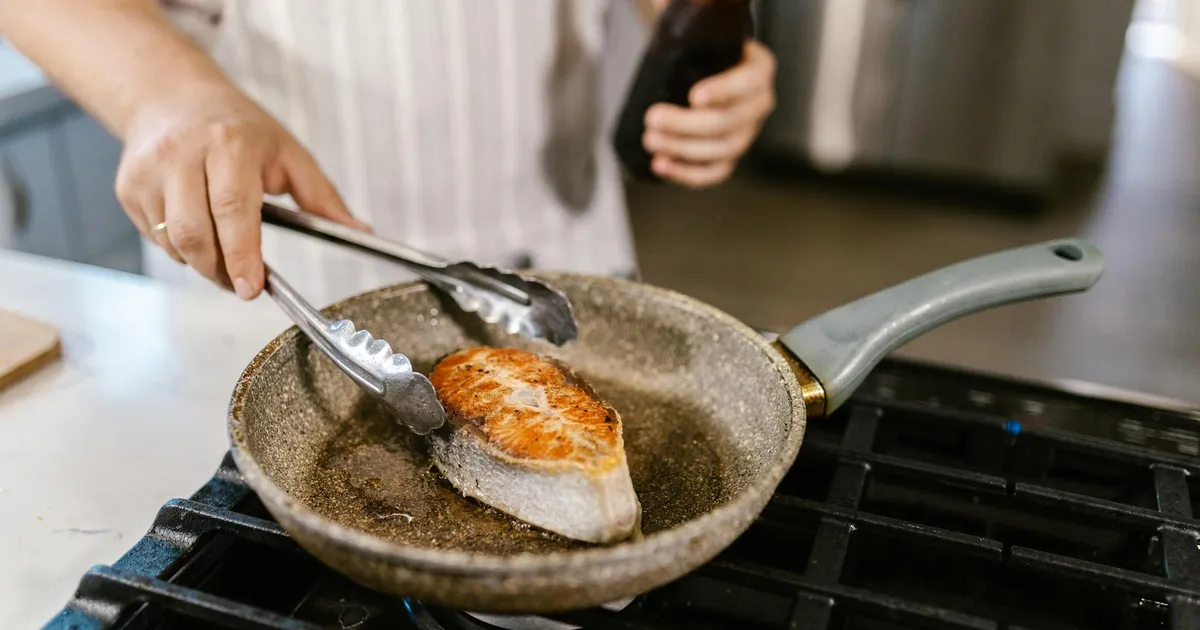
Non Stick Frying Pan Not Working
A non stick frying pan stops working primarily due to damage to its polytetrafluoroethylene (PTFE) coating, often from user error.
Cause 1: High Heat Exposure
High heat damages the non stick coating, causing it to break down and lose its slick properties. The PTFE coating, also known as Teflon, degrades when exposed to temperatures exceeding its recommended limit, typically around 500°F (260°C). This damage often appears as discoloration or flaking on the pan’s surface. To fix this, always use low to medium heat settings for cooking. Avoid preheating an empty non stick pan on high heat.
Cause 2: Abrasive Cleaning Methods
Using harsh scrubbers or detergents can scratch and wear away the delicate non stick surface. Metal utensils or abrasive sponges create microscopic scratches that compromise the coating’s integrity. These scratches allow food to stick to the exposed pan material. To prevent this, clean your pan with a soft sponge and mild dish soap. Avoid steel wool or harsh chemicals, and always allow the pan to cool before washing.
Cause 3: Metal Utensil Use
Metal spatulas, spoons, or whisks can easily scratch and gouge the non stick coating. These scratches penetrate the PTFE layer, creating areas where food can adhere. The damage often appears as visible lines or scrapes on the pan’s surface. To avoid this, use only silicone, wooden, or plastic utensils when cooking with non stick pans.
Cause 4: Cooking Sprays and Oil Buildup
Cooking sprays can leave a sticky residue that bakes onto the non stick surface over time, creating a barrier that prevents food from releasing easily. This residue, often difficult to remove, can make the pan appear less non stick. Instead of cooking sprays, use a small amount of butter or oil, and wipe the pan clean after each use to prevent buildup.
When to Replace
Replace your non stick pan when the coating is visibly scratched, flaking, or peeling, as these signs indicate significant damage. If food consistently sticks even after proper cleaning and care, the pan’s non stick properties are likely gone. Consider a new pan from options like the Best Non Stick Frying Pan For Eggs or the Best Non Stick Pan For Under $50.
FAQ
Q: Can I restore a damaged non stick pan? A: Minor sticking from residue can sometimes be fixed with a thorough cleaning using baking soda and water, but a physically damaged or peeling coating cannot be restored.
Q: Is it safe to use a non stick pan with scratches? A: Using a scratched non stick pan is generally considered safe, but small flakes of the coating may detach into your food, and the pan will no longer perform effectively.
Q: How long do non stick pans typically last? A: A well-maintained non stick pan typically lasts between one to five years, depending on usage frequency and care.
- non
- non-stick-pans