Pressure Cooker Not Working: Troubleshooting and Fixes
If your pressure cooker is not working, common issues include an open steam release valve, a misaligned gasket, or insufficient liquid. Learn how to fix these problems quickly.
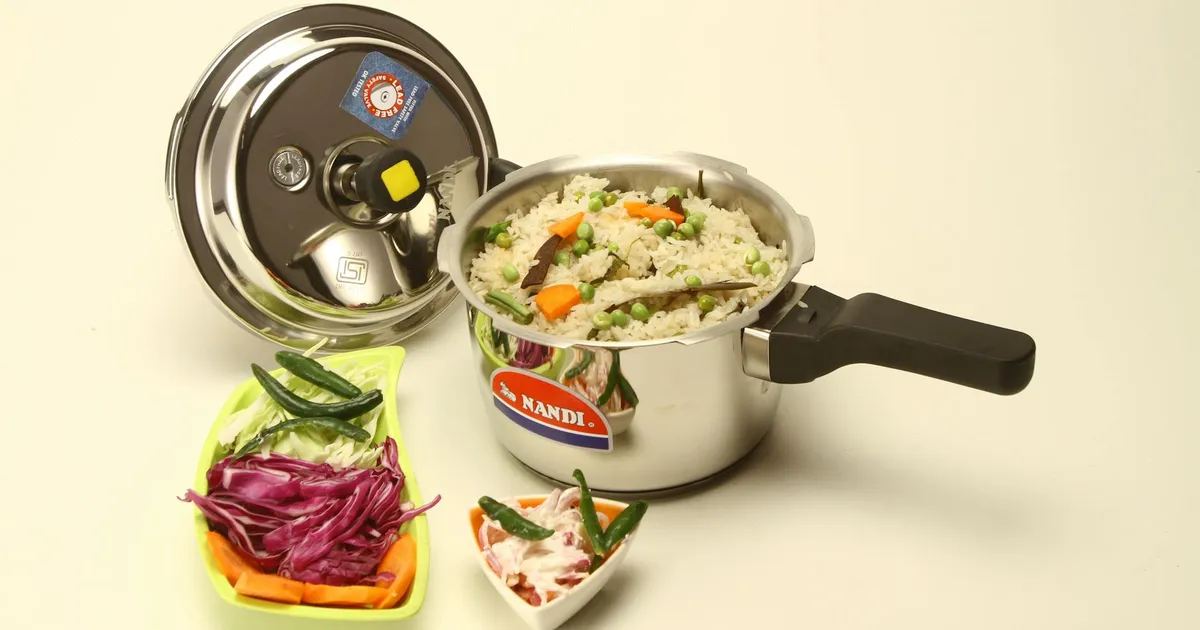
Pressure Cooker Not Working
The most common reason a pressure cooker fails to build pressure is an open steam release valve.
Cause 1: Steam Release Valve is Open
An open steam release valve prevents the cooker from sealing and building pressure. You will notice steam escaping continuously from the valve during the cooking cycle.
To fix this, ensure the steam release valve is in the “Sealing” position before starting the cooker. Some models have a manual switch you must turn. Check your appliance’s specific instructions for valve positioning.
Cause 2: Gasket Issues
A misaligned, dirty, or worn-out gasket prevents a proper seal, causing pressure loss. You might see steam escaping from around the lid.
Remove the gasket from the lid and inspect it for food debris or cracks. Clean the gasket thoroughly with warm, soapy water. Reinsert the gasket, ensuring it sits flush within the lid’s groove. Replace the gasket if it appears cracked or stretched.
Cause 3: Insufficient Liquid
A pressure cooker requires a minimum amount of liquid to generate steam and build pressure. Most models need at least 1 cup of liquid for proper operation.
Check your recipe and add more liquid if necessary. For example, when making soup, ensure you have enough broth or water. Consider recipes that use at least 1.5 to 2 cups of liquid, especially for longer cooking times. Best Pressure Cooker For Soup models often perform better with adequate liquid.
Cause 4: Clogged Vents
Clogged vents can prevent pressure from building or releasing safely. Food particles can block the pressure release valve or float valve.
Inspect all valves and vents on the lid for any obstructions. Use a small brush or toothpick to clear any food debris. Always clean these components after each use to prevent blockages.
When to Replace
If your pressure cooker consistently fails to build pressure after troubleshooting, or if the heating element malfunctions, it might be time for a replacement. Look for models that fit your family’s needs, such as the Best Pressure Cooker For Family or Best Pressure Cooker For Large. Consider options under $100 like the Best Pressure Cooker For Under $100 if budget is a concern.
FAQ
Q: Why is my pressure cooker not sealing? A: Your pressure cooker is likely not sealing due to an open steam release valve, a dirty or misaligned gasket, or insufficient liquid inside the pot. Check these three common issues first.
Q: How much liquid do I need in a pressure cooker? A: Most pressure cookers require a minimum of 1 cup of liquid to generate enough steam and build pressure effectively. Refer to your appliance’s manual for specific recommendations.
Q: Can a faulty heating element cause a pressure cooker to not work? A: Yes, a faulty heating element can prevent the pressure cooker from reaching the necessary temperature to create steam and build pressure. This often requires professional repair or replacement of the unit.
- instant
- instant-pots