How to Choose Meal Prep Containers for Your Lifestyle
Learn how to choose meal prep containers by considering material, size, and compartment count for your specific needs.

Intro
This guide explains how to choose meal prep containers tailored to your specific needs. Selecting the right containers improves food preservation and simplifies meal planning.
What You’ll Need
- List of your typical meal prep recipes
- Understanding of your storage space (fridge, freezer, pantry)
- Knowledge of your reheating methods (microwave, oven)
Step 1: Select the Right Material
Choose container material based on durability, reheating needs, and safety. Glass containers are oven-safe up to 220°C and resist odors, making them ideal for reheating and long-term storage, as detailed in our guide on Best Glass Food Containers For Meal Prep. Plastic options, typically made from BPA-free polypropylene, are lighter and more budget-friendly, suitable for lunches on the go.
Step 2: Determine Compartment Count
Match the number of compartments to your meal structure. Single-compartment containers, often 32 oz or 16 oz, suit one-dish meals like stews or salads. Two or three-compartment containers separate main courses from sides, preventing soggy food. For example, a 36 oz container with multiple sections keeps components distinct for up to 24 hours.
Step 3: Pick Appropriate Sizes
Select container sizes that align with your portion control and meal volume. A 16 oz container works well for snacks or small sides. Larger meals, such as dinner portions, often require 32 oz or 36 oz containers. Consider containers that fit your lunch bag or refrigerator shelves for easy storage.
Step 4: Evaluate Lid Design
Prioritize airtight and leak-proof lids to prevent spills and extend food freshness. Lids with silicone gaskets and snap-locking mechanisms create a secure seal. Vented lids are beneficial for microwave reheating, allowing steam to escape safely. For excellent sealing, explore Best Meal Prep Containers For Airtight.
Step 5: Consider Storage and Cleaning
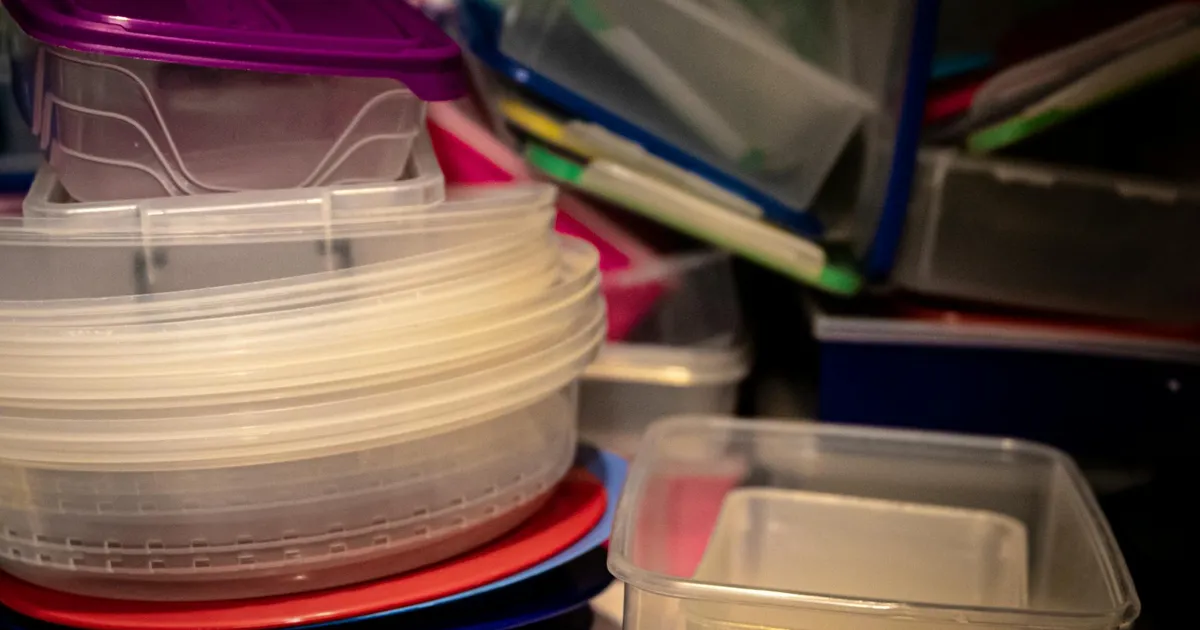
Choose containers that stack efficiently to save kitchen space. Nesting designs or uniform sizes simplify storage in cabinets or drawers. Look for dishwasher-safe containers for easy cleanup, reducing post-prep effort.
Tips and Best Practices
- Purchase a variety of sizes and compartment configurations to accommodate diverse meals.
- Opt for freezer-safe containers if you plan to batch cook and freeze meals for extended periods.
- Label containers with contents and dates to track freshness, especially for items stored longer than 3-4 days.
- Invest in durable materials like borosilicate glass for longevity and resistance to thermal shock.
- Ensure lids are interchangeable across similar container sizes to simplify organization.
Common Mistakes
- Buying containers that are not microwave or oven safe, limiting reheating options.
- Choosing containers without airtight seals, leading to food spoilage and leaks.
- Overlooking storage space, resulting in cluttered cabinets or refrigerators.
- Selecting containers that are difficult to clean, discouraging consistent meal prep.
FAQ
Q: What is the best material for meal prep containers? Glass is generally the best material due to its durability, oven-safe properties, and resistance to odors and stains. It is also a healthier option as it does not leach chemicals into food.
Q: How many compartments should my meal prep containers have? The ideal number of compartments depends on your meal type; single compartments suit one-dish meals, while two or three compartments separate different food items. For example, a main dish and two sides require a three-compartment container.
Q: Can I use meal prep containers in the freezer? Yes, many meal prep containers are freezer-safe, especially those made from glass or specific types of plastic. Always check the manufacturer’s specifications for freezer compatibility to prevent cracking. For freezer-specific options, see Best Glass Food Containers For Freezer.
Q: How do I ensure my meal prep containers are leak-proof? Look for containers with secure locking lids and silicone gaskets, which create a tight seal. Test the seal by filling the container with water and tipping it upside down.
- food-storage-containers
- food