How to Clean Food Storage Containers: A Complete Guide
Learn how to clean food storage containers effectively, removing stains and odors with simple steps and common household items.

Intro
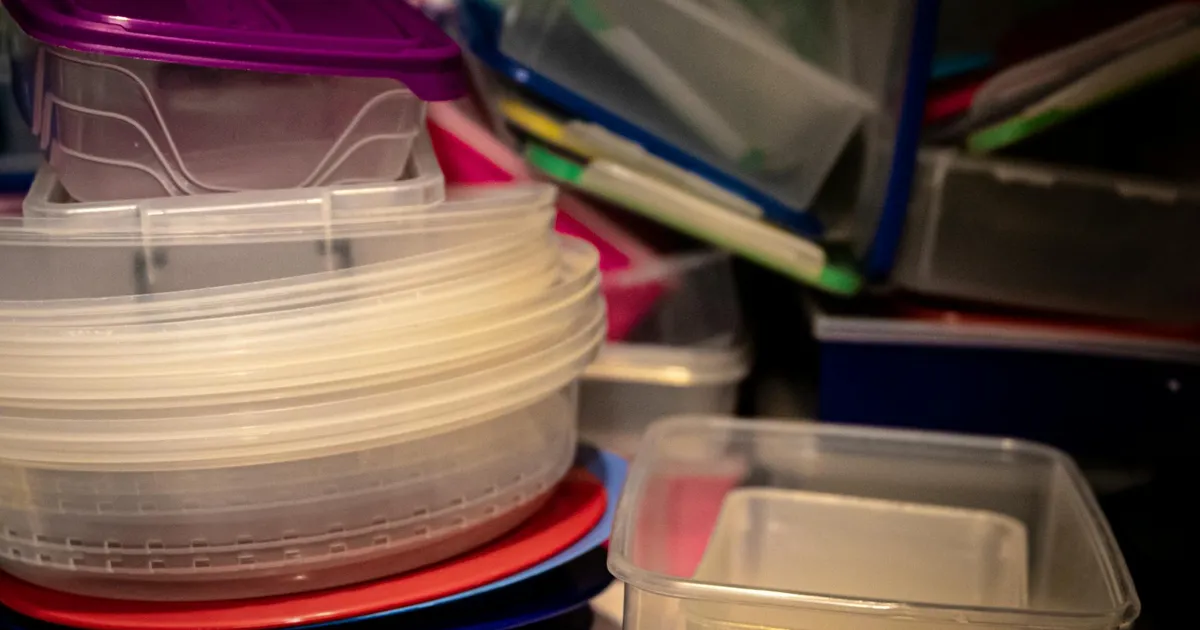
This guide details how to clean food storage containers, addressing common issues like stains and lingering odors. Proper cleaning extends container lifespan and ensures food safety for future use.
What You’ll Need
- Liquid dish soap
- White distilled vinegar
- Baking soda
- Soft-bristle brush or sponge
- Warm water
- Cold water
- Paper towels or clean cloth
Step 1: Rinse with Cold Water
Rinse the container and lid with cold water immediately after emptying food. Cold water prevents colors, grease, and odors from setting into the plastic, according to industry experts like Tammy Snook Quezada. This initial rinse removes loose food particles.
Step 2: Wash with Warm Soapy Water
Wash the container with warm, soapy water after the cold rinse. Use a few drops of liquid dish soap and a soft sponge to scrub all surfaces. This step removes remaining food residue and grease.
Step 3: Address Stubborn Stains with Vinegar
Fill the container with pure distilled white vinegar to cover any visible stains. Let the vinegar soak for at least 30 minutes; for tougher stains, allow it to soak for up to 2 hours. The vinegar’s acidity breaks down discoloration.
Step 4: Scrub and Rinse Thoroughly
Pour out the vinegar and add a few drops of dish soap. Scrub the container vigorously with a brush or sponge, focusing on stained areas. Rinse the container completely with warm water to remove all soap and vinegar residue.
Step 5: Remove Lingering Odors with Baking Soda
Create a paste by mixing 1 tablespoon of baking soda with a small amount of water. Spread the paste inside the container, covering all surfaces. Let the paste sit for at least 10 minutes, or overnight for strong odors, then rinse thoroughly.
Step 6: Dry Completely
Dry the container and lid thoroughly with a clean cloth or paper towel. Air drying is also effective, but ensure no moisture remains. Completely dry containers prevent stickiness and odor retention during storage.
Tips and Best Practices
- Wash containers immediately after use to prevent food from drying and sticking.
- Avoid placing hot food directly into plastic containers; this can cause stains to set.
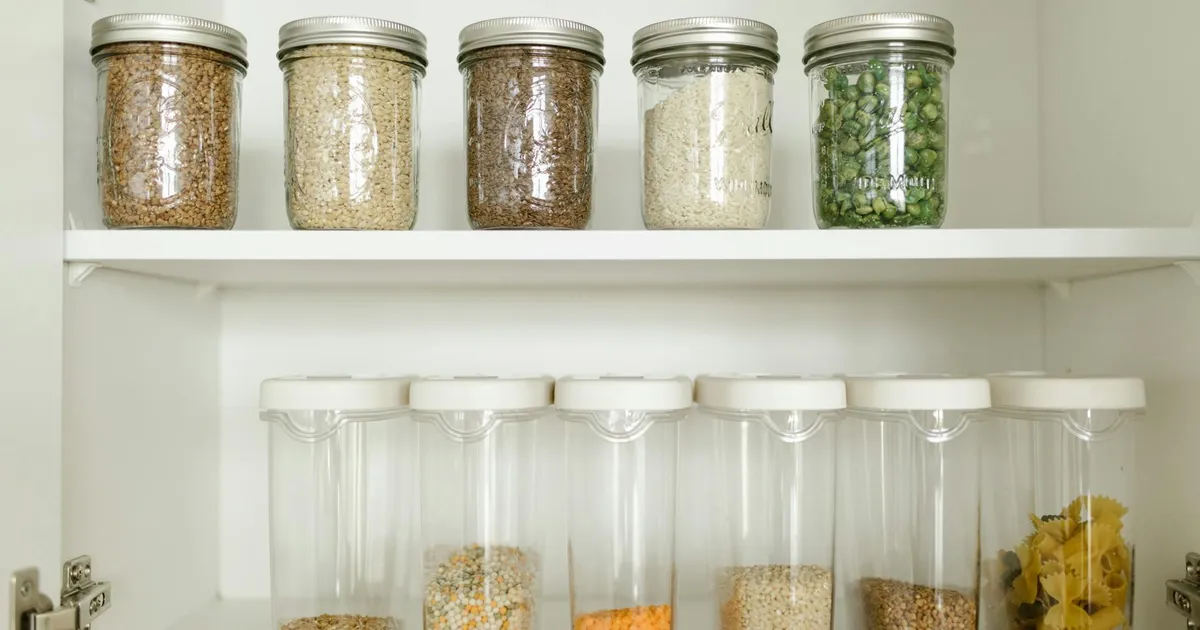
- Consider glass food containers for highly pigmented foods like tomato sauce to prevent staining.
- Store containers with lids slightly ajar or removed to allow air circulation and prevent mildew.
- For persistent odors, place a crumpled newspaper inside the container for 24 hours to absorb smells.
Common Mistakes
- Using Hot Water First: Hot water can set stains and odors into plastic, making them harder to remove.
- Skipping Immediate Rinse: Allowing food to dry inside containers makes cleaning significantly more difficult.
- Not Drying Completely: Storing damp containers promotes bacterial growth and unpleasant odors.
- Using Abrasive Scrubbers: Harsh scrubbers can scratch plastic, creating crevices where bacteria can hide.
FAQ
Q: How do I remove tomato sauce stains from plastic containers? A: Fill the container with white distilled vinegar and let it soak for 30 minutes to 2 hours, then scrub with dish soap and rinse. For extra power, a baking soda paste can be applied afterward.
Q: Can I put plastic food containers in the dishwasher? A: Check the container’s label for “dishwasher-safe” instructions, typically indicating top-rack safety. Handwashing often preserves plastic integrity longer.
Q: How do I get rid of strong smells like onion or garlic? A: Create a thick paste of baking soda and water, spread it inside the container, and let it sit overnight. Rinse thoroughly the next day.
Q: Are there alternatives to plastic containers for stain prevention? A: Yes, glass food containers are excellent for preventing stains and odors, as glass is non-porous.
- food-storage-containers
- food