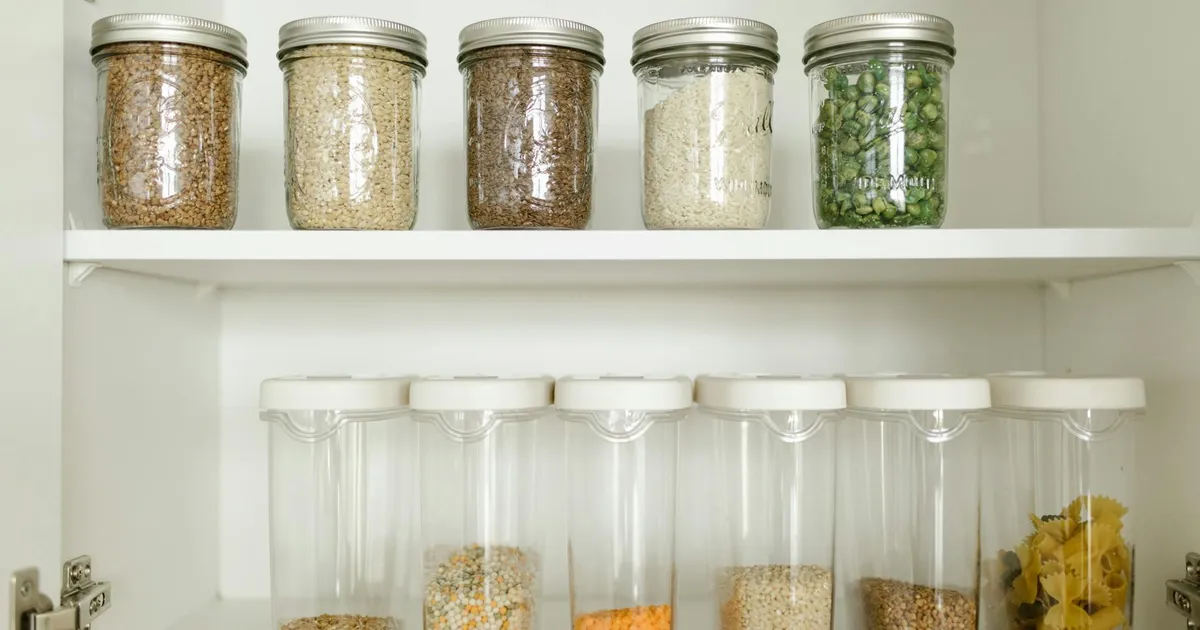
How to Clean Glass Food Containers for Safe Food Storage
Learn how to clean glass food containers thoroughly for safe food storage, removing stains and odors effectively.

Intro
This guide provides clear steps on how to clean glass food containers, ensuring they remain hygienic and odor-free for continued use. Proper cleaning extends the life of your containers and prevents food contamination.
What You’ll Need
- Dish soap
- Warm water
- White vinegar
- Baking soda
- Soft sponge or brush
- Clean towels or drying rack
- Rubber gloves (optional)
Step 1: Empty and Rinse Containers
Empty all food remnants from the glass containers. Rinse each container and its lid under warm running water for about 1 minute to remove loose debris. This initial rinse prevents food particles from hardening.
Step 2: Hand Wash with Soap
Fill a sink or basin with warm water and a few drops of dish soap. Submerge the glass containers and lids, then scrub all surfaces with a soft sponge or brush. Pay attention to corners and grooves where food can accumulate.
Step 3: Tackle Stubborn Stains
For tough stains, create a paste with equal parts baking soda and water. Apply the paste to the stained area and let it sit for 10-15 minutes. Scrub gently with a non-abrasive sponge until the stain lifts.
Step 4: Neutralize Odors
To remove lingering odors, fill the glass container with a mixture of one part white vinegar and two parts warm water. Let this solution sit for at least 30 minutes, or up to 2 hours for strong smells. Vinegar effectively neutralizes food odors.
Step 5: Sanitize with Heat (Optional)
For extra sanitization, place clean glass containers (without lids) in an oven preheated to 160°F (71°C) for 10-15 minutes. Alternatively, run them through a dishwasher on a hot cycle, ensuring they are dishwasher safe. Many glass containers are safe for the top rack of a dishwasher.
Step 6: Dry Thoroughly
Air dry the containers and lids completely on a drying rack to prevent water spots and mildew. Ensure all parts are dry before storing them. Storing damp containers can lead to unpleasant smells.
Tips and Best Practices
- Clean containers immediately after use to prevent food from drying and sticking.
- Store lids separately or loosely on containers to allow air circulation.
- Inspect rubber seals on lids for damage or mold; replace if necessary to maintain an airtight seal.
- Consider using glass containers for meal prep due to their non-porous nature.
- For freezer storage, ensure containers are completely dry to avoid ice buildup.
Common Mistakes
- Using abrasive scrubbers: Metal scouring pads can scratch glass surfaces, making them prone to future staining.
- Ignoring lids and seals: Lids and their seals can harbor bacteria and odors if not cleaned thoroughly.
- Storing wet containers: Moisture encourages mold and mildew growth, especially in sealed containers.
- Overlooking pre-rinsing: Skipping the initial rinse allows food particles to harden, making cleaning more difficult.
FAQ
Q: How often should I clean my glass food containers? Clean glass food containers after every use to prevent food residue buildup and bacterial growth. This maintains hygiene and container longevity.
Q: Can I put glass food containers in the dishwasher? Most glass food containers are dishwasher safe; place them on the top rack to prevent potential damage. Always check manufacturer instructions for specific care.
Q: How do I remove tough food odors from glass containers? Soak containers in a solution of white vinegar and water for 30 minutes to 2 hours to neutralize strong food odors effectively. Baking soda paste can also absorb smells.
Q: Is it safe to store hot food in glass containers? Yes, glass containers are generally safe for hot food, but avoid extreme temperature changes like placing a hot container directly into a cold freezer. This prevents thermal shock.
Q: What is the best way to dry glass containers to avoid water spots? Air drying on a rack allows water to evaporate naturally, minimizing water spots. For a spotless finish, hand-dry with a lint-free cloth after air drying.
- food-storage-containers
- food