How to Use Food Storage Containers Effectively
Learn how to use food storage containers to keep food fresh and safe. This guide covers selection, proper filling, and storage techniques.

Intro
This guide details how to use food storage containers for optimal freshness and safety. Proper container use prevents spoilage and maintains food quality.
What You’ll Need
- Airtight food storage containers (glass or plastic)
- Labels and a marker
- Refrigerator set to 40°F or lower
- Freezer (optional)
Step 1: Select the Right Container Type
Choose containers based on food type and storage location. Airtight containers prevent bacterial growth and maintain food quality. Glass containers are excellent for meal prep and freezer storage, as detailed in Best Glass Food Containers For Meal Prep and Best Glass Food Containers For Freezer.
Step 2: Clean and Dry Containers
Wash containers thoroughly with soap and water before each use. Ensure they are completely dry to prevent moisture from promoting bacterial growth. Wet containers can introduce unwanted condensation to stored food.
Step 3: Fill Containers Properly
Leave a small amount of headspace in containers, especially for liquids or foods that expand when frozen. Overfilling can prevent a proper seal and lead to spills. Pack food efficiently to maximize storage space.
Step 4: Seal Containers Tightly
Secure the lid firmly to create an airtight seal. An airtight seal is crucial for preventing air exposure, which causes spoilage and freezer burn. Check the seal by gently pressing on the lid.
Step 5: Label and Date Food
Label each container with the food item and the date it was prepared or stored. This practice helps track freshness and ensures proper rotation of food. Most foods remain safe for 3-4 days in the refrigerator.
Step 6: Store in the Correct Location
Place refrigerated items in a fridge set at 40°F or below to slow bacterial growth. Store raw meats on the bottom shelf to prevent juices from contaminating other foods. Pantry items belong in cool, dry places, as discussed in Best Meal Prep Containers For Pantry.
Tips and Best Practices
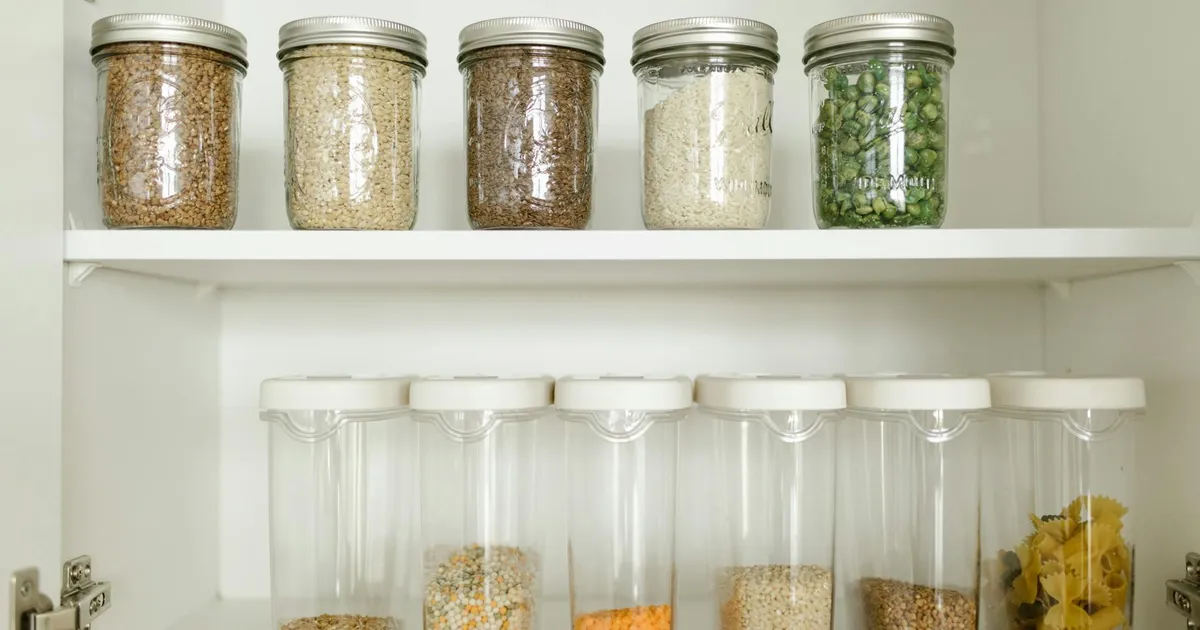
- Organize containers by size and type for easy access.
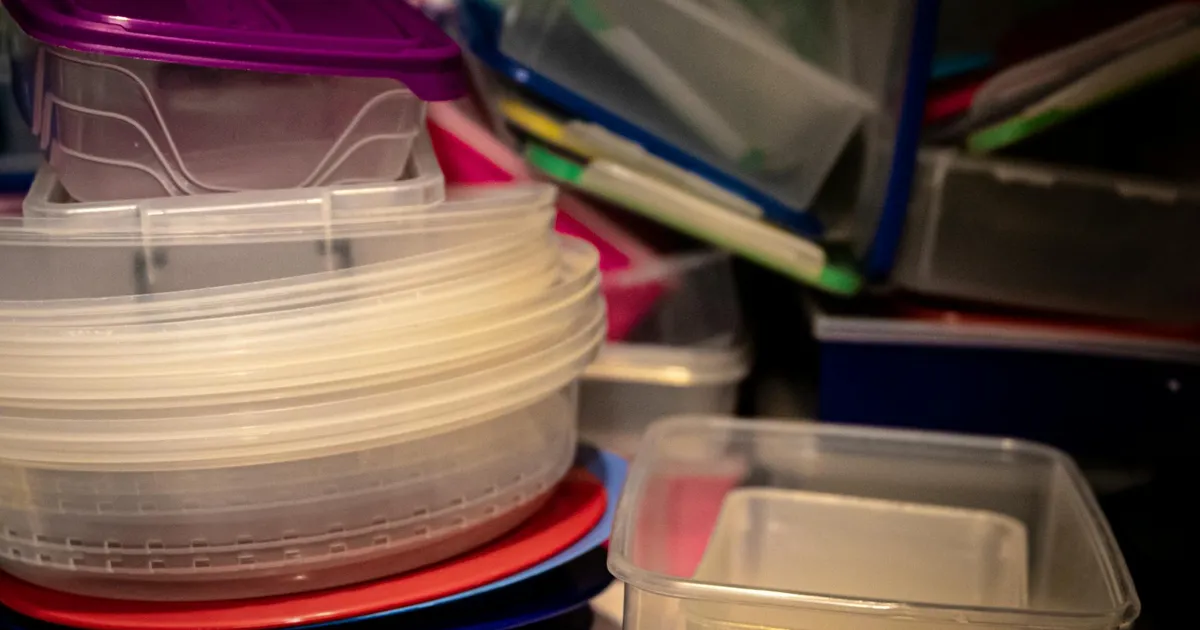
- Match lids to containers before storing them to save time.
- Consider investing in Best Food Storage Containers For Glass for durability and visibility.
- Use clear containers to easily identify contents without opening.
- Rotate stored food, using older items first to minimize waste.
Common Mistakes
- Not checking refrigerator temperature: A fridge above 40°F allows rapid bacterial growth.
- Storing hot food immediately: Cool food to room temperature before refrigerating to avoid raising the fridge temperature.
- Using damaged containers: Cracked or warped containers cannot form an airtight seal.
- Mixing raw and cooked foods improperly: Always separate raw meats from ready-to-eat foods to prevent cross-contamination.
FAQ
Q: How long can food stay in storage containers in the refrigerator? Most cooked foods and leftovers remain safe in the refrigerator for 3-4 days when stored properly in airtight containers. Always check for signs of spoilage before consuming.
Q: Are all food storage containers microwave-safe? No, not all food storage containers are microwave-safe. Check the container’s bottom for a microwave-safe symbol before heating food. Glass containers are generally safe for microwave use.
Q: How do I prevent food from getting freezer burn? To prevent freezer burn, use airtight, freezer-safe containers and remove as much air as possible before sealing. This protects food from dehydration and flavor loss in the freezer.
- food-storage-containers
- food