How to Use Glass Food Containers for Safe Food Storage
Learn how to use glass food containers for meal prep, freezing, and reheating, ensuring food safety and organization.

Intro
This guide details how to use glass food containers for safe and efficient meal preparation, storage, and reheating. Proper use extends food freshness and minimizes waste.
What You’ll Need
- Glass food containers (borosilicate or tempered glass recommended)
- Airtight lids
- Dry-erase markers or removable labels
- Food to store
Step 1: Select Appropriate Containers
Choose glass containers made from borosilicate or tempered glass for superior durability and safety. Match container size to your meal portions; 3-4 cup containers suit single lunches, while 6-9 cup sizes work for family dinners or batch cooking. For a comprehensive selection, see Best Glass Food Containers For Glass.
Step 2: Prepare Food for Storage
Cool hot food completely before transferring it to glass containers to prevent condensation and bacterial growth. Divide large batches into individual servings or meal-sized portions. This practice simplifies future reheating.
Step 3: Fill and Seal Containers
Fill containers, leaving about 1 inch of headspace, especially for liquids or foods that expand when frozen. Secure lids tightly to create an airtight seal, preventing leaks and maintaining freshness. Airtight containers are crucial for preserving food quality; explore options at Best Meal Prep Containers For Airtight.
Step 4: Label and Organize
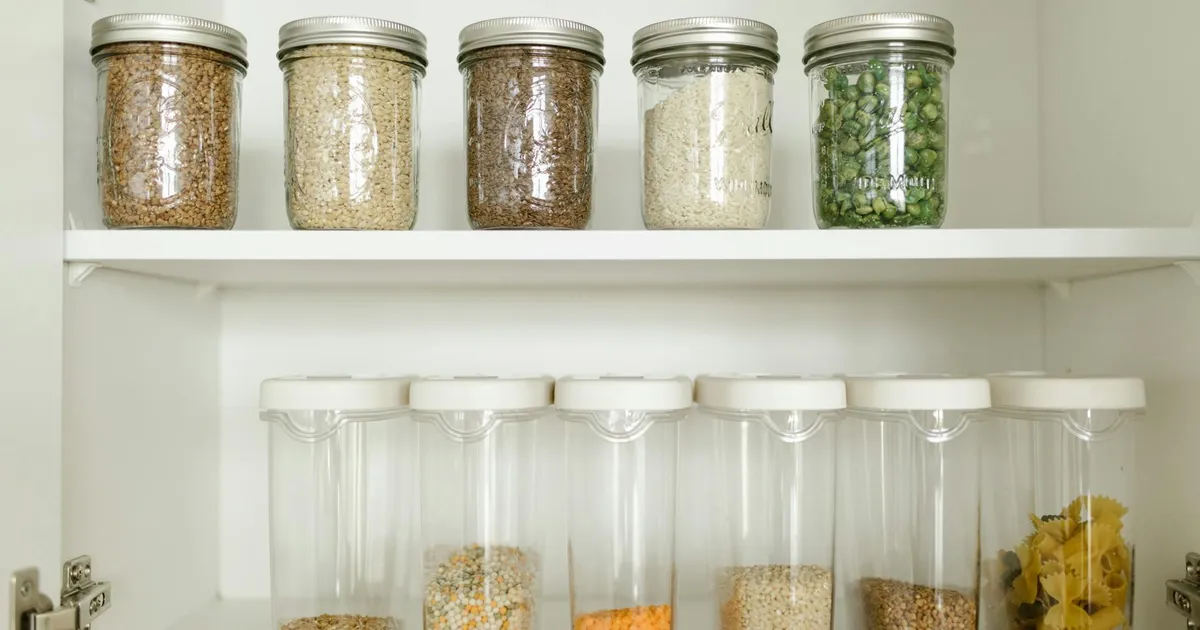
Label each container with the food item and the date it was prepared. Use dry-erase markers or removable QR stickers for easy tracking, particularly when prepping meals for the entire week. Modular sets allow for efficient stacking in refrigerators or pantries, optimizing space. For more on organization, consult Best Meal Prep Containers For Pantry.
Step 5: Store Food Safely
Refrigerate perishable foods immediately after preparation and cooling. For longer storage, freeze foods in wide-mouth glass containers; these are ideal for soups and stews, reducing mess and simplifying portioning. Check out Best Glass Food Containers For Freezer for freezer-specific options.
Step 6: Reheat Food Properly
Remove the lid before reheating glass containers in a microwave or oven. Glass containers can withstand temperatures up to 428°F, but extreme temperature changes can cause breakage. Always place cold containers in a cool oven and allow them to heat gradually.
Tips and Best Practices
- Prioritize borosilicate or tempered glass for maximum durability and safety.
- Match container size to meal portions; 3-4 cup sizes are good for lunches, 6-9 cup for family meals.
- Cool food completely before sealing and storing to prevent bacterial growth.
- Use dry-erase markers on lids for easy labeling and expiration tracking.
- Leave 1 inch of headspace in containers when freezing liquids to accommodate expansion.
Common Mistakes
- Placing hot food directly into the freezer: This raises the freezer temperature and can compromise other stored items.
- Reheating with lids on: This can create pressure build-up and damage lids or containers.
- Overfilling containers: This prevents proper sealing and can lead to leaks or spills.
- Using non-tempered glass in the oven: Regular glass can shatter under high heat; only use oven-safe glass.
FAQ
Q: Can I put glass containers directly from the freezer into the oven? No, avoid extreme temperature changes like moving a frozen container directly into a hot oven, as this can cause thermal shock and shatter the glass. Thaw food in the refrigerator first.
Q: Are glass food containers safe for microwave use? Yes, most glass food containers are safe for microwave use, but always remove the lid before heating. Check the manufacturer’s instructions for specific temperature limits.
Q: How do I prevent glass containers from breaking? Handle glass containers carefully, avoid sudden temperature changes, and do not use them if they have chips or cracks. Ensure they are placed on a flat, stable surface.
Q: What type of glass is best for food storage? Borosilicate or tempered glass is best for food storage due to its resistance to thermal shock and breakage. These types are more durable than regular soda-lime glass.
- food-storage-containers
- food