Fixing Meal Prep Containers Not Working: A Troubleshooting Guide
Meal prep containers not working often stems from improper storage or usage. Learn how to fix common issues for better food preservation.
Meal Prep Containers Not Working
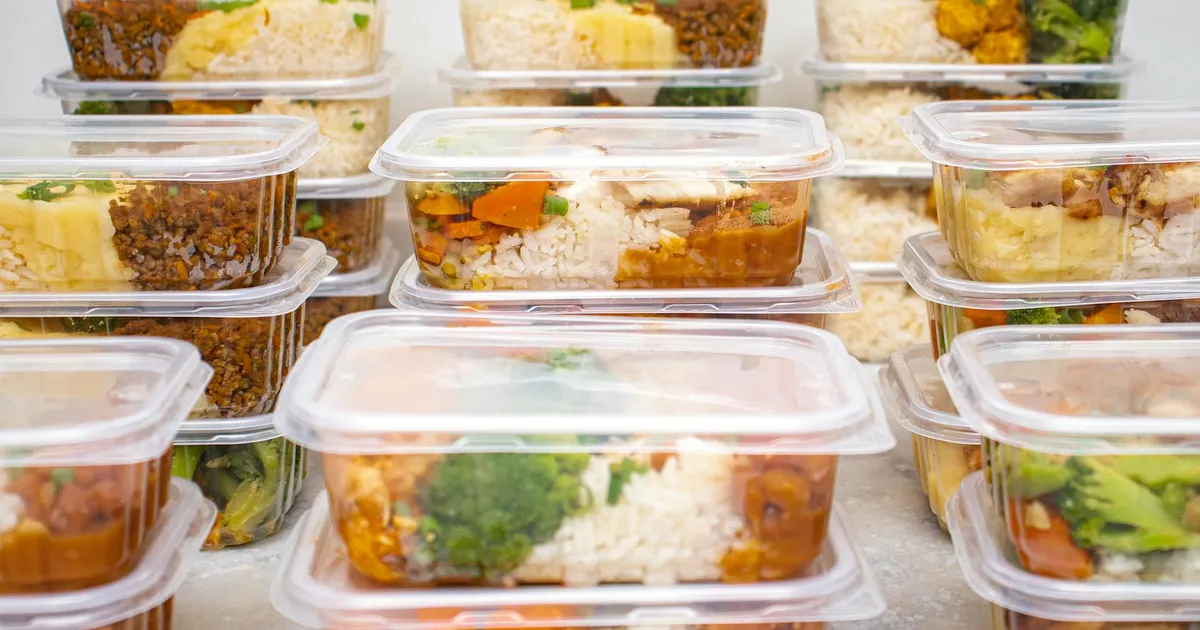
Meal prep containers not working often results from poor organization, improper food handling, or container damage.
Cause 1: Inefficient Storage
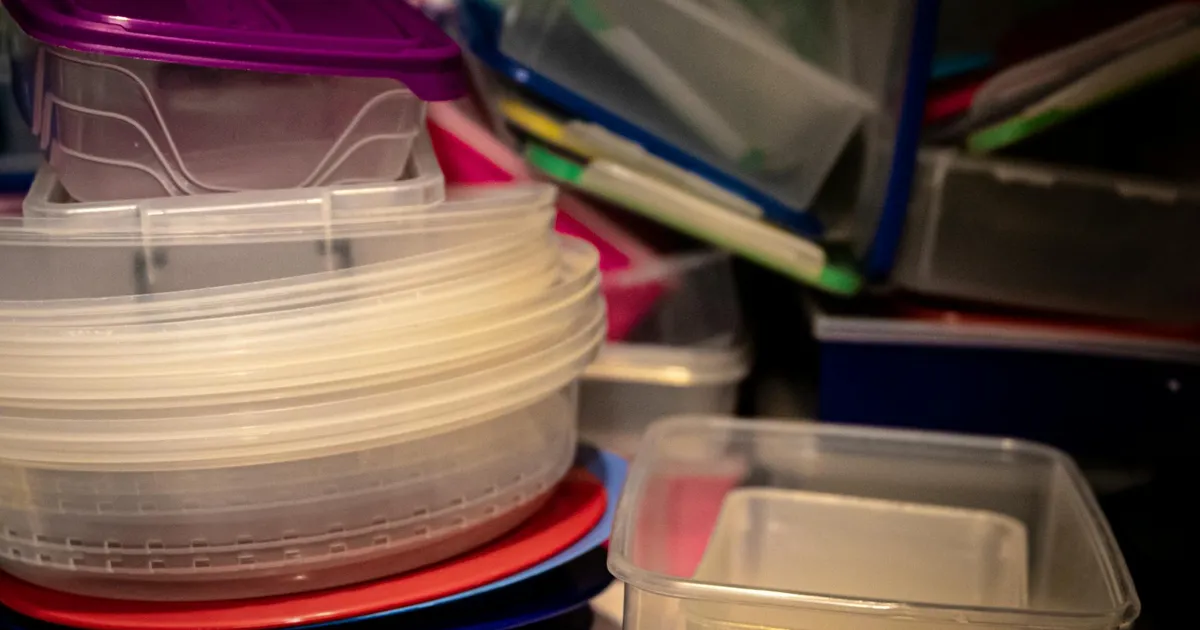
Containers that do not store well often cause frustration and wasted cabinet space. Round containers are less efficient than square or rectangular ones for cabinet and fridge space. Loose lids also create disarray, making it hard to find matching sets.
To fix this, organize lids in a divided drawer or bin so they stand upright and are visible. Consider replacing mixed brands with containers from the same product line; matching sets nest properly, using less space. For optimized pantry organization, explore Best Meal Prep Containers For Pantry.
Cause 2: Food Safety Issues
Improper cooling and storage lead to rapid bacterial growth, making meal prep unsafe. Food left between 40°F and 140°F (4–60°C) enters the “danger zone.” Cooked or cold foods must be refrigerated within 2 hours; if the ambient temperature exceeds 90°F (32°C), refrigerate within 1 hour.
To prevent this, cool hot foods rapidly before refrigeration. Divide large portions into shallow containers, no more than 2 inches deep. Leave lids slightly ajar and place containers on a rack for airflow or in an ice bath for 15–30 minutes to cool quickly.
Cause 3: Lack of Planning
Meal prep without a menu, shopping list, or inventory often leads to wasted ingredients and repetitive meals. This approach can also result in nutritional gaps.
Start by planning 3–5 anchor meals that share common ingredients, such as roast chicken used for tacos and salads. Create a shopping list based on these meals and map perishable items to the first half of the week. This structured approach minimizes waste and ensures varied, balanced meals.
Cause 4: Leaking or Poor Seals
Containers that leak or do not seal properly compromise food freshness and create messes. This issue often stems from worn-out gaskets or warped container edges.
Check the silicone gaskets for cracks or tears; replace them if damaged. Ensure container edges are clean and free of food debris before sealing. For reliable airtight storage, consider options like the Best Meal Prep Containers For Airtight.
When to Replace
Replace meal prep containers when they show signs of warping, cracking, or persistent odors. Stains that do not wash out, or lids that no longer seal tightly, indicate a need for new containers. If you frequently experience leaks or food spoilage, it is time for an upgrade. Explore options like the Best Glass Food Containers For Meal Prep for durable replacements.
FAQ
Q: Why do my meal prep containers always smell? A: Persistent smells usually mean food particles have absorbed into the plastic. Try soaking containers in a baking soda and water solution for 24 hours, or switch to glass containers which do not retain odors.
Q: How can I prevent my containers from warping in the dishwasher? A: To prevent warping, place plastic containers on the top rack of the dishwasher. High heat on the bottom rack can deform plastic, especially during the drying cycle.
Q: Is it safe to put hot food directly into meal prep containers? A: No, it is not safe to put hot food directly into meal prep containers as it keeps food in the “danger zone” for too long. Cool food rapidly to below 40°F (4°C) before placing it into containers and refrigerating.
- food-storage-containers
- food